Dr Leigh Erin Connealy shares her top ways to slash your chances of getting cancer, from what you eat to what you put on your skin
Biohacking is a term you’ve probably heard a lot over the past several years. Popularized by tech billionaires and athletes alike, the term likens the body to a computer or machine and applies “hacks,” or intentional lifestyle changes and choices, to optimize health and longevity.
Many of these changes, such as nutrition and sleep hygiene, may seem obvious, but true biohacking goes beyond these standard pillars of wellness. If you’re talking about disease prevention, you need to go deeper—balance metabolic health, mitigate chronic inflammation and include early-detection diagnostics.
To understand your cancer risk, you first need to know what really causes it, how it forms in the body and what you can do to prevent it from developing in the first place.
Contrary to popular belief, most cancers aren’t inherited. In fact, only about 5–10 percent of all cancers result from inherited gene mutations. Familial cancers, types that run in families and are thought to be caused by shared genes or similar lifestyle and environmental factors, have been linked to 15–20 percent of cancer incidences. This means the vast majority of cancers are not directly attributable to inherited gene mutations.1
My medical philosophy centers on prevention. This is especially true when it comes to lowering your cancer risk.
Most people don’t realize that it takes a healthy cell roughly eight to 10 years to become cancerous. The late William “Bill” S. Coury, scientist, inventor, founder of American Nutraceuticals and a 45-year cancer survivor, dubbed this process the Cancer Cascade Timeline.
Early on, factors such as stress, environmental toxins, poor diet, infections and chronic inflammation cause stress and imbalance in normal cells. This elevates cortisol and other stress hormones, increasing inflammation and fueling abnormal cell growth. Years spent in this altered state disrupt cellular metabolism, mitochondrial function and the immune system, allowing abnormal cells to survive.
Poor metabolism, coupled with a low-oxygen state, creates an acidic environment where malignant cells can transform and thrive. As the eight-to-10-year mark approaches, cellular integrity breaks down, DNA is altered, detoxification channels stop working properly and damage accumulates. Eventually these changes can contribute to uncontrolled cell growth and tumor formation.
Coury’s explanation traces the progression from a balanced, healthy body to one riddled with chronic disease. It sounds scary, but the takeaway is that this is a slow evolution. It can be halted—even reversed—if you’re armed with the proper tools and information.
Earlier this year, I gave a lecture entitled “Cancer Reimagined: A New Era of Prevention and Healing” for the American College for Advancement in Medicine (ACAM).2 In that lecture, I discussed the many factors that contribute to cancer.
Chief among these carcinogens are environmental toxins, ionizing radiation, electromagnetic fields (EMFs), infection by viruses and bacteria, heavy metals, stress, and tobacco products and smoking.
I also talked about the many internal imbalances that increase cancer risk (see below). Many conventional physicians won’t even consider some of these areas, so it’s important that you advocate for yourself to get proper testing and treatment.
The good news is that nearly all these contributing factors—both internal and external—are within your control. The first step in biohacking your way to a lower risk of cancer and other serious disease is to reduce your exposure to known carcinogens and get a handle on your inner terrain.
Here are the top ways to reduce your risk of cancer and boost your longevity.
1. Ditch processed foods
Diets rich in processed and ultra-processed foods (UPFs) are unfortunately becoming increasingly common worldwide. Packaged snack foods, ready-to-eat meals, sodas and energy drinks, mass-produced baked goods, and processed meats are convenient go-tos, but at what cost?
A 2023 systematic review examining data from more than 625,000 participants concluded that high consumption of UPFs is linked to an increased risk of certain cancers, especially those of the digestive tract and some hormone-related cancers, including colorectal and breast.3
UPFs high in industrial seed oils, such as soybean, canola, corn, cottonseed, safflower, grapeseed, rice bran and sunflower oils, also contribute. Diets high in these seed oils are rich in omega-6 fatty acids, which promote inflammation and have been linked to colorectal tumors in animal studies.4
Add in all the food additives, dyes, preservatives and emulsifiers that sneak into manufactured items, and you’ve got a recipe for disaster.
2. Eat the rainbow
Fortunately, biohacking your diet is fairly straightforward. Start by adding plenty of colorful, nutrient-rich produce. Doing so can protect against cancer and other chronic diseases.
A landmark study of roughly 65,000 English participants found that, over eight years, people who ate seven or more servings of fruits or vegetables daily had a 33 percent reduced risk of dying from any cause and a 25 percent reduced risk of dying from cancer. Vegetables and salads were the most protective, the researchers noted.5
I’ve long recommended that patients “eat the rainbow,” incorporating plenty of colorful fruits and vegetables into their daily diets. One caveat: Our produce isn’t as healthy as it used to be.
Overfarming has depleted soil nutrients, and harmful pesticides and weed killers such as Roundup (glyphosate), which have been linked to cancer and other health problems, are often applied to crops.6 The easiest way to sidestep this is to choose organic whenever possible. Even better, buy your fruits and vegetables from a local farm or farmer’s market that uses organic growing practices.
3. Get plenty of protein
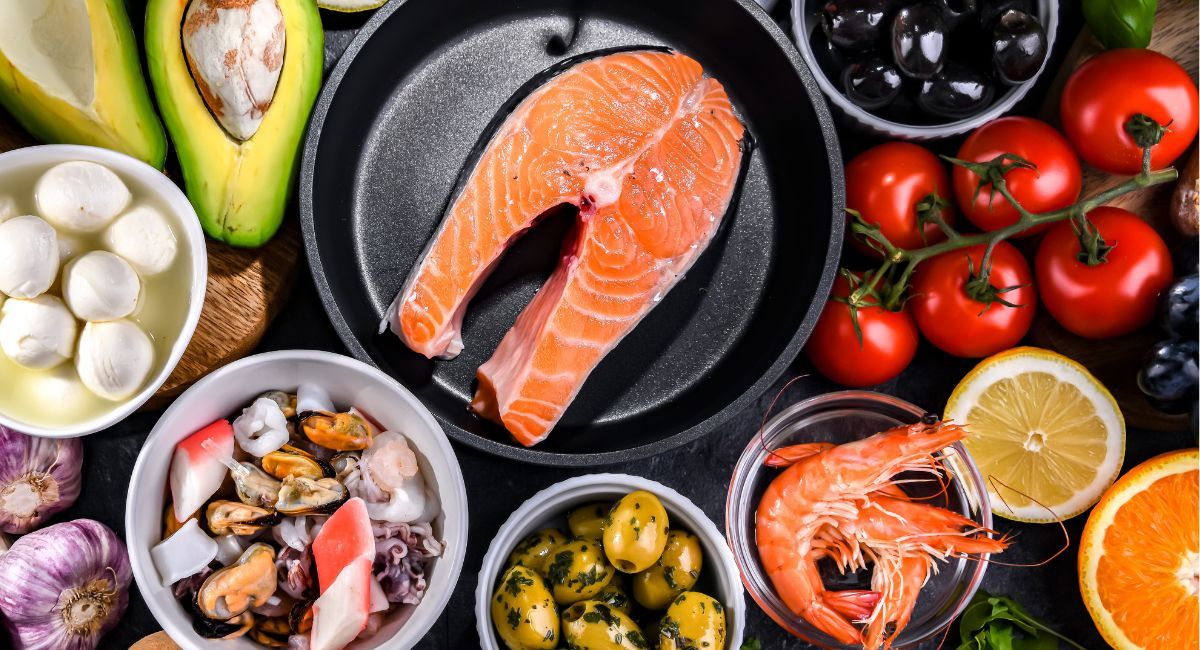
Centering your diet around clean protein sources is one of the most overlooked yet easiest biohacks. Because protein plays a role in nearly every bodily system—from the musculoskeletal to the immune—you need to ensure you’re getting enough of the right kind.
Clean protein should be organic, free-range, antibiotic- and hormone-free, grass-fed, and grass-finished. These are some good options:
And red meat is not the enemy. Many people are surprised that I eat and recommend red meat as a healthy protein source.
While processed meats such as bacon, salami, hot dogs and deli meats are recognized as cancer-causing, not all meat is off limits. Clean red meat is an excellent source of protein, B vitamins, iron, zinc, carnitine and taurine.
When I was growing up, my grandparents had a farm, and my parents would go there, pick out an entire cow, have it prepared, and take it home to freeze, store and eat over several months. If you have access to this option, it’s excellent, as it gives you peace of mind knowing how your food was raised and exactly where it came from.
4. Get the right tests
A big part of biohacking is going beneath the surface to see how your body is aging and functioning. Standard blood tests can uncover chronic inflammation, high blood sugar and metabolic disruptions.
In addition to these, many integrative practitioners order liquid biopsies and other tests that can detect circulating tumor cells, TruAge and TruHealth tests that reveal biological age and the health of your cells and organ systems, and additional tests that provide insight into immune health.
We recently launched a special new membership at the Centers called the Precision Longevity Program that includes this type of testing, plus ongoing monitoring and support. It helps us uncover illness or imbalance long before traditional tests, check in with members monthly and make real-time changes to improve health and prevent disease.
5. Deal with stress and trauma
If people realized how big a role stress and emotional trauma play in chronic disease, a much bigger emphasis would be placed on taking care of mental health and healing past emotional wounds. Chronic stress wreaks havoc on the immune system and has been linked to cancer development and proliferation.7
Alleviating stress and anxiety and supporting emotional health is so important that we have every patient who walks through our doors undergo EVOX therapy. It uses “perception reframing” to measure the energy in a patient’s voice (voice mapping) and reveal their feelings on certain topics.
EVOX records this voice energy, plots it on a Perception Index graph and determines which healing frequencies will work best to calm the individual’s stressors. These “signatures” are then transmitted back to the patient while they listen to calming music and reflect on the topic, stressor or trauma they are working through.
EVOX helps remap the brain, heal generational trauma, combat stress and anxiety, and enhance overall health.
6. Get outside and off screens
Another simple biohack has to do with the amount of light—and what type—we bathe in daily. One of the best things you can do for health and disease prevention is to get outside and get natural light every day, preferably first thing in the morning.
Early morning sunlight exposure kicks your circadian clock into motion and shuts down melatonin production. Soaking up a little sun without sun protection stimulates vitamin D production, which bolsters the immune system, supports bone health and boosts mood. According to the Cleveland Clinic, just 10–30 minutes of sunshine on bare skin can offer protective benefits.8
In the evenings, as your day winds down, put the screens away. The artificial blue light emitted from phones, TVs, computers, laptops and the like not only keeps you up but has also been associated with a higher cancer risk.
One study found that artificial outdoor light at night doubled men’s risk of prostate cancer and increased women’s risk of breast cancer by almost 50 percent.9 Prolonged blue light exposure appears to have similar negative effects, including altering your natural circadian rhythm, suppressing melatonin production and even affecting eye health.
If you must use your devices at night, consider blue-light-blocking glasses. You can also swap blue-light-emitting light bulbs for amber or red ones, which protect sleep.
7. Sweat daily
Detoxification is another often-overlooked way to rid the body of toxins, clear out the lymphatic system, enhance health, and protect against disease. My number one recommendation for detox is sauna therapy.
Infrared sauna has several known health benefits, including reducing stress and lowering inflammation. If your toxic burden is high, sweating is an excellent way to rid the body of hard-to-remove pesticides, acidic waste, heavy metals and drug residues.
Exercise also gets your body moving and naturally induces sweating. Try something fast-paced, like speed walking or running, cycling, racquet sports, or even rebounding, which also helps with lymphatic drainage.
Finally, a relaxing nightly hot bath can have similar detoxification and stress-relief benefits. For optimal results, add 2 cups of Epsom salt or magnesium flakes, 1 cup of baking soda, and ¼ cup of detoxifying clay.
7. Laugh out loud
The adage says humor is the best medicine, and it’s one of the easiest biohacks to incorporate. Laughter truly is medicine. In a recent review of over 300 people, spontaneous laughter was found to significantly reduce levels of the stress hormone cortisol by 31–37 percent.10
It’s also good for the immune system. Another study found that people who viewed a humorous video experienced reduced stress and improved natural killer cell activity—key immune components that attack cancer and other foreign cells.
8. Find the right support system
Sticking with any health plan is easier with accountability. It’s why we have a dedicated health advisor for our longevity program members and why you should have someone in your corner rooting for you.
Whether it’s a friend, family member, spouse or co-worker, find someone interested in biohacking their way to better health and team up to support and cheer each other on.
In more than 40 years of clinical experience, I’ve learned what works, and what doesn’t, when it comes to getting and staying healthy. The reality is, the body wants to heal itself and is perfectly capable of doing so.
While biohacking may be a newer term, taking control of your health isn’t a new concept. Cancer doesn’t develop overnight, and the choices you make today can influence your health for years to come.
You don’t need expensive gadgets or complicated protocols to get started. Be proactive, understand your individual risk factors and take meaningful steps to create a balanced internal environment that supports health rather than disease.
One unexpected place toxins and chemicals lurk is in beauty and personal care products. Many lotions, sunscreens, makeup products, fragrances and other self-care items people use daily contain ingredients linked to endocrine disruption and other health concerns. And most get slathered on without a second thought. Be diligent in reading labels and avoid the following whenever possible:
Clean and organic beauty and self-care products are readily available. To find them, search the Skin Deep database from the Environmental Working Group (ewg.org/skindeep).
What do you think? Start a conversation over on the... WDDTY Community

Great news! Discounts are available based on your cart total. Check the details below: