We like to think that medicine works. Even if it doesn’t cure, we hope at the very least it will treat the symptoms that make life difficult or even intolerable. Certainly, we don’t expect to come off worse from treatment.
In fact, just 11 per cent of 3,000 treatments and drugs assessed by investigators at the BMJ Evidence Centre are very likely to ‘work’, whether that is curing or alleviating symptoms.1 Close behind those are the 23 per cent of therapies that are likely to work based on the evidence out there, whether it’s a clinical trial or case notes.
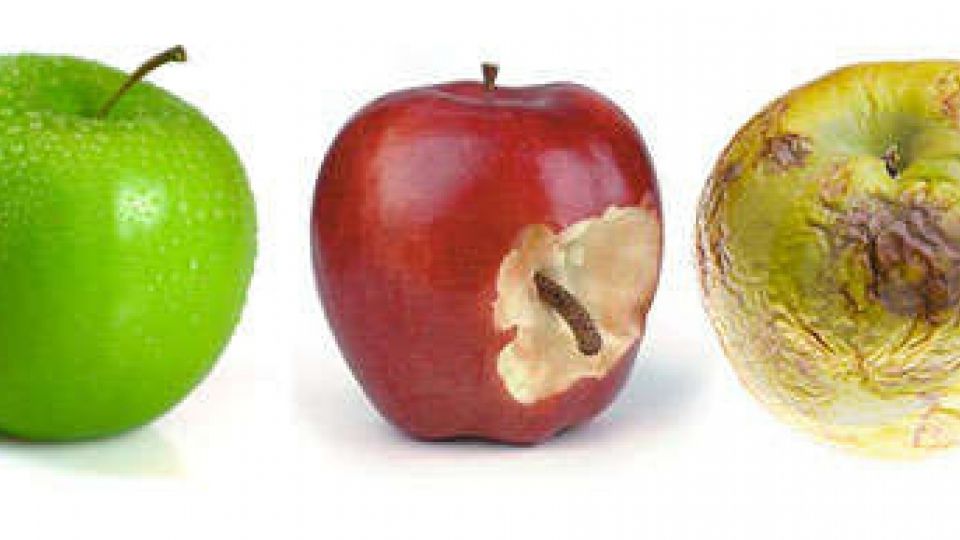
So, taking a generous view, just over one-third of medicine will probably help you: that’s the good face of medicine.
Then we turn to the ugly. It represents 51 per cent of medicine and is like the dark side of the moon: nobody knows if it works or not because it’s never been properly investigated. These are the therapies and drugs used every day, but for which there are little or no data to demonstrate they are actually helping anyone. Put another way, more than half of medicine is unproven.
Finally, there’s the bad. This is the remaining 15 per cent of medicine, practised every day: there is enough evidence to show it should be put in medicine’s waste basket. These are the therapies that are as likely to do harm as good, or are unlikely to help, or are probably going to harm you.
Before we look in more detail at the good, the bad and the ugly of medicine for some major conditions, it’s worth saying this: when the researchers carried out their review, they were looking for at least one good study that would demonstrate that a drug or procedure could work. One solid study that proved benefit, and no studies suggesting harm, would put a drug or therapy amongst the good. But as around 80 per cent of medical research is fraudulent, those solid studies may not be quite so solid after all.2
We can’t know what impact this would have on the true picture and, frankly, it doesn’t even bear contemplating. Certainly, from a financial viewpoint, it seems a pretty poor return on the lb160 billion annual investment the British taxpayer makes into the National Health Service; the human cost is far greater,
of course.
This is also a critique of conventional medical practices by doctors for doctors. Many alternative therapies haven’t even been considered, and most of those (like glucosamine for osteoarthritis) that have been are given short shrift.
|
References |
|
|
1 |
Clinical Evidence Handbook, BMJ Evidence Centre, London. June 2011 |
|
2 |
BMJ, 2000; 321: 1487 |
How well does your doctor’s arsenal of treatments work for the most common conditions? Here’s the lowdown on the Good, Bad and Ugly in his medicine bag
KEY
The Good (grade 1): You are very likely to be helped by the treatment
The Good (grade 2): You will probably be helped by the treatment
The Bad:The treatment is unlikely to help, or is a trade-off between doing harm and having some benefit, or is likely to be ineffective or harmful
The Ugly:There is little or no evidence to suggest the treatment may help
CARDIOVASCULAR DISEASES
Angina (chronic, stable)
Symptoms:Discomfort or pain in the chest, arm or jaw usually brought on by exertion. It happens when arteries harden or become blocked by LDL cholesterol (atherosclerosis).
The Good (grade 2):Beta-blockers, calcium-channel blockers, nitrates or potassium-channel openers as single-drug therapy
The Ugly:Beta-blockers or nitrates if you’re taking other drugs for angina
Atrial fibrillation (acute)
Symptoms:Rapid and irregular heartbeat lasting for less than two days; treatment may include blood clot prevention before stabilizing heart rate.
Preventing a blood clot
The Ugly:After an episode of atrial fibrillation, doctors often prescribe an anticoagulant or antiplatelet drug to stop a blood clot (embolism), but there’s no evidence to suggest the treatment is helpful.
Reestablishing normal heart rate
The Good (grade 2):Applying an electrical current directly to the heart is pretty much the best method medicine has for stabilizing heart rate.
The Bad:There is a range of drugs doctors may use to stabilize heart rate, but there’s little or no evidence they work. The drugs include amiodarone, flecainide, propafenone and digoxin.
The Ugly:There are other drug options too, but no evidence either way about them. These include quinidine, sotalol and verapamil.
Heart failure
Symptoms:This is sudden failure of the heart to pump blood at a rate that allows the body to continue healthy functioning. Depending on the severity of failure, symptoms can range from breathlessness, a sudden inability to carry out normal functions, fluid retention and death.
The Good (grade 1):Exercise, ACE inhibitors, angiotensin-II receptor blockers, beta-blockers, digoxin, installing a pacemaker
The Good (grade 2):Aldosterone receptor antagonists, hydralazine
The Bad:Antiarrhythmic drugs (other than amiodarone), calcium-channel blockers
The Ugly:Amio
darone, antiplatelet agents, anticoagulants
Heart attack (myocardial infarction)
Symptoms:Pain, usually in the centre of the chest, that can feel like pressure, tightness or squeezing; pain in other parts of the body; pain that feels as if it’s travelling from your chest to your arms (usually the left arm, but it can affect both arms), jaw, neck, back and abdomen; shortness of breath; feeling sick
The Good (grade 1):ACE inhibitors, aspirin, thrombolysis
The Bad:Nitrates, calcium-channel blockers
The Ugly:Beta-blockers
ENDOCRINE DISORDERS
Type 2 diabetes
Symptoms:This ‘lifestyle disease’, usually caused by poor diet and lack of exercise, is progressive, as blood glucose (sugar) levels rise with the body’s inability to produce insulin. Early symptoms include thirst, excessive urination, blurred vision and weight loss.
The Good (grade 1):Metformin, sulphonylureas
The Good (grade 2):Diet, education on lifestyle changes, including weight loss and exercise
The Bad:Insulin
The Ugly:Blood glucose self-monitoring, continuous insulin via infusion
DIGESTIVE DISORDERS
Acute cholecystitis (gallstones)
Symptoms:Almost all cases are caused by a gallstone blocking the cystic or bile duct. Symptoms include constant pain in the abdomen, anorexia, nausea, vomiting and fever.
Good (grade 1):Cholecystectomy (gall bladder removal)
Bad:Observation alone
Ugly:Mini-laparoscopic cholecystectomy (use of smaller surgical instruments to remove the gall bladder)
Chronic pancreatitis
Symptoms:Long-term inflammation of the pancreas sometimes brought on by alcohol and a fatty diet. Symptoms include recurring abdominal pain.
The Good (grade 2):Avoiding alcohol, taking pancreatic enzyme supplements
The Bad:Analgesics, various surgical procedures like decompression and resection
The Ugly:Low-fat diet, calcium supplements
Crohn’s disease
Symptoms:This chronic inflammatory condition can affect any part of the gastrointestinal (GI) tract. Symptoms include diarrhoea, abdominal pain, weight loss, blood or mucus in stools, perineal pain.
The Good (grade 1):Corticosteroids, infliximab to help remission
The Good (grade 2):Aminosalicylates, methotrexate to bring on remission, laparoscopic surgery
The Bad:Azathioprine, antibiotics, cyclosporin
Irritable bowel syndrome
Symptoms:IBS is a chronic condition of the lower GI tract. Symptoms include abdominal pain, disordered bowel habits like diarrhoea and constipation.
The Good (grade 2):Antidepressants, antispasmodics, cognitive behavioural therapy (CBT), hypnotherapy, fibre supplements
The Bad:Alosetron, tegaserod
The Ugly:Loperamide
MENTAL HEALTH
Depression
Symptoms:Persistent low mood, loss of interest and enjoyment, and reduced energy. Day-to-day functioning is often impaired.
The Good (grade 1):Antidepressants, CBT, interpersonal psychotherapy
The Good (grade 2): St John’s wort, combining antidepressants with psychological therapies
The Ugly:Exercise, problem-solving therapies, lithium
Panic attacks
Symptoms:Sudden onset of intense apprehension, fear or terror, often associated with feelings of impending doom.
The Good (grade 1):CBT, SSRI antidepressants
The Good (grade 2):Applied relaxation, client-centred and cognitive therapies, CBT plus antidepressants
The Bad:Benzodiazepines
The Ugly:Breathing retraining, couples therapy, monoamine oxidase inhibitors (MAOIs)
Post-traumatic stress disorder (PTSD)
Symptoms:Disabling symptoms of reexperiencing a traumatic event, avoidance behaviour and irritability that last for at least a month
The Good (grade 1):CBT
The Good (grade 2):Paroxetine
The Bad:Single-session debriefing, supportive counselling
The Ugly:Antiepileptic drugs, antihypertensives, benzodiazepines, fluoxetine, SSRIs
MUSCULO-SKELETAL DISORDERS
Ankle sprain
Symptoms:These vary depending on the extent of injury to ankl
e ligaments, which can range from mild stretching and partial rupture to complete rupture.
The Good (grade 1):Functional treatment, such as early movement with the help of external support
The Good (grade 2):Cast and rest
The Bad:Surgery, ultrasound
The Ugly:Cold therapy, diathermy, physiotherapy
Carpal tunnel syndrome
Symptoms:Caused by compression of the median nerve, symptoms include numbness, tingling, burning or pain in at least two fingers
The Good (grade 2):Corticosteroids
The Bad:Endoscopic carpal tunnel release, surgery, wrist splints
The Ugly:Diuretics, NSAIDs, massage
Chronic fatigue syndrome
Symptoms:Severe, disabling fatigue often accompanied by musculoskeletal pain, sleep disturbance, impaired concentration and headaches.
The Good (grade 1):CBT, graded exercise
The Bad:Galantamine, immunotherapy
The Ugly:Antidepressants, corticosteroids
Gout
Symptoms:Acute pain and swelling around bones in the toes and foot caused by deposits of urate crystals. It can also affect the joints, especially in the foot, ankle, knee, wrist, finger and elbow.
The Ugly:Colchicine, corticosteroids, NSAIDs, weight loss advice
Herniated lumbar disc (slipped disc)
Symptoms:Bulging around the midriff sometimes accompanied by pain in the lower back, often following activity.
The Good (grade 2):Surgery such as discectomy, spinal manipulation
The Bad:NSAIDs, bed rest, traction
The Ugly:Analgesics, antidepressants, corticosteroids, exercise therapy, heat or ice, massage
Low back pain
Symptoms:Low back pain affects around 70 per cent of adults at some time. It involves pain, muscle tension or stiffness in the lower back region persisting for 12 weeks or longer (considered chronic). Pain that lasts for less is usually described as acute and often resolves itself.
The Good (grade 1):Back exercises
The Good (grade 2):Acupuncture, CBT, massage, spinal manipulation, fusion surgery
The Bad:NSAIDs, muscle relaxants
The Ugly:Analgesics, antidepressants, epidurals, TENS, traction
Osteoarthritis
Symptoms:This usually affects knee, hip and hand joints, and damages bone and cartilage around the joints. Symptoms include pain, swelling, tenderness and inability to use joints properly.
The Good (grade 1):NSAIDs for short-term pain relief, exercise and physiotherapy, hip replacement (where appropriate)
The Good (grade 2):Corticosteroids, knee replacement surgery
The Bad:Analgesics, corticosteroid injections for medium- to long-term relief
The Ugly:Capsaicin, chondroitin, glucosamine
RESPIRATORY DISORDERS
Bronchitis
Symptoms:Sudden inflammation of the trachea, diagnosed from cough and wheeze and occasionally from sputum
The Bad:Antibiotics, amoxicillin-clavulanic acid
The Ugly:Amoxicillin, analgesics, antihistamines, beta-agonists, expectorants
Asthma (in adults)
Symptoms:Sudden airflow obstruction causing shortness of breath (dyspnoea), cough, chest tightness and wheezing
The Good (grade 1):Inhaled beta-agonists with inhaled corticosteroids
The Bad:Helium-oxygen mix, intravenous short-acting beta-agonists
The Ugly:Magnesium sulphate (intravenous)
What do you think? Start a conversation over on the... WDDTY Community

Great news! Discounts are available based on your cart total. Check the details below: