Joanna Evans reveals six things to look for when buying manuka honey
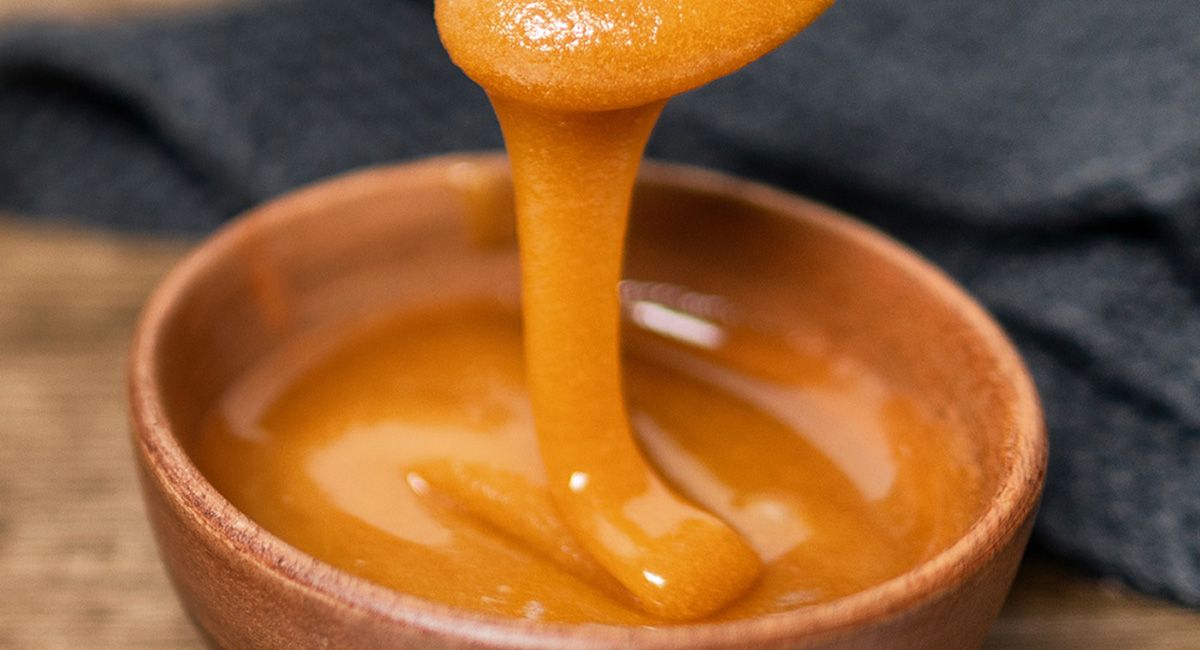
Manuka honey can help heal wounds, infections and even cancer, the latest research suggests. However, not all manuka honey is created equal. Here are six things to look for when shopping for manuka honey to make sure it’s genuine.
1. UMF® trademark. The registered trademark of New Zealand’s Unique Manuka Factor Honey Association (UMFHA; umf.org.nz) on a label means the product has passed stringent, independent quality, grading and rating tests. Specifically, the organization tests for the following four factors:
MGO for potency. The source of manuka honey’s special antibacterial properties is methylglyoxal (MGO), and its amount is an important measure of potency. The higher the MGO rating, the stronger the concentration of MGO in the honey.
Leptosperin for authenticity. This compound can be found only in manuka flower nectar and can’t be chemically manufactured, so it’s a good indicator of a natural, authentic product.
DHA for shelf life. A precursor chemical of MGO, dihydroxyacetone (DHA), slowly converts to MGO over time. The higher the DHA content, the longer the life of the MGO content in a manuka honey. To be UMF-certified, products must contain more than 70 mg/kg DHA.
HMF for freshness. Hydroxymethylfurfural (HMF) levels indicate whether a honey has been overheated or stored too long (it’s generally absent in fresh honey), which can reduce shelf life and potency. High-quality products have lower HMF levels.
UMF scores (the higher the better) are typically easy to find on the labels of products the organization has approved. You can also see a selection of certified brands on the UMFHA website.
2. MGO rating. Some companies simply use an MGO rating on their labels, which is one of the markers used for UMF certification, detailed above. The higher the number, the more potent the antibacterial properties.
However, MGO can be produced synthetically and added during the manufacturing process, so the MGO rating alone is not a reliable indicator of a genuine, natural product. If a product doesn’t carry UMF certification, make sure it has undergone other independent testing (check the label or brand website) for quality, potency and purity.
3. Manufacturing location. All honey labeled as “manuka” and intended for export from New Zealand must be tested by a lab approved by New Zealand’s Ministry for Primary Industries (MPI) to make sure it meets the definition of manuka honey set by the New Zealand government.
The definition includes five attributes (four chemicals from nectar and one DNA marker from manuka pollen) and allows the industry to differentiate manuka honey from other types of honey. It also identifies it as either monofloral (made from predominantly manuka nectar) or multifloral (a mix of manuka and other nectars). Look for the Tested Certified Manuka symbol on a label to check whether a product meets the requirements.
4. Packing location. Look for honey labeled as “packed in New Zealand,” meaning it has been sealed in a jar before leaving New Zealand, protecting it from adulteration. Manuka honey is susceptible to fraud and can be mixed with cheaper honeys, sugar syrups and artificial ingredients.
Check labels carefully (look for 100 percent manuka honey in the ingredients list) and buy only from reputable companies. All UMF-certified honey is produced, packed and sealed in New Zealand. See below for details about Australian manuka honey.
5. Traceability. Is the manuka honey traceable from hive to shelf? Reputable honey manufacturers can trace any jar of honey back to its source, and many will allow you to check your honey’s batch code on the brand’s website to verify the product.
6. AMHA Mark of Authenticity. Although most manuka honey on the market comes from New Zealand, manuka honey is also made in Australia. However, its definition is different there.
While New Zealand manuka honey is derived solely from the Leptospermum scoparium plant, Australian manuka honey can be obtained from any plant within the Leptospermum species.
If you’re in the market for Australian manuka honey, look for the AMHA (Australian Manuka Honey Association) Mark of Authenticity, which signifies that the product has been tested and approved according to AMHA criteria for defining authentic Australian manuka honey.
It must be “pure, natural Manuka honey, produced entirely in Australia, and be tested by an independent, approved laboratory to ensure it meets minimum standards of naturally occurring methylglyoxal (MGO), and dihydroxyacetone (DHA),” says the AMHA. For more information, see manukaaustralia.org.au.
Here are a few UMF-certified manuka honey brands to consider, available to buy in both the US and the UK. To see a full list of UMF-certified brands and find a stockist near you, visit umf.org.nz.
Comvita
US: comvita.com; UK: comvita.co.uk
From $34.99 in the US and £14.99 in the UK
As well as meeting the strict standards set by the UMFHA and New Zealand’s MPI, Comvita’s raw, wild and unpasteurized manuka honey is independently tested by the Food and Environment Research Agency (FERA) and Minerva Scientific in the UK to ensure the UMF/MGO grade of the honey is true to label.
All jars of honey, which range from UMF 5+ to 20+, are monofloral and fully traceable with no added ingredients. Comvita also make an antibacterial wound gel containing medical-grade manuka honey (Medihoney™) for topical use.
Steens
US: steenshoney.com; UK: uk.steenshoney.com
From $32.99 in the US and £18.99 in the UK
Steens claims its raw, unpasteurized manuka honey contains up to 15 times more bioavailable pollen (also called beebread, rich in antioxidants, vitamins and minerals) in every spoonful than other major leading brands of manuka honey. This high concentration is thanks to the company’s unique, patented raw extraction and packing methods.
A range of UMF-graded products are available, up to UMF 24+, and you can easily view testing certificates and trace your honey on the Steens website.
The True Honey Co.
US: selfridges.com; UK: truehoneyco.co.uk
From $74 in the US and £34.50 in the UK
The True Honey Co. produces exclusively high-grade manuka honey—only honey with MGO levels 300+ (UMF 11+) or above qualifies for the range. Its offerings include a Rare Harvest 2050+ MGO (UMF 34+) limited-release manuka honey for $1,965 (£1,300).
Unless you go for a squeezy bottle, all honey comes in a glass jar boxed in eco-friendly cardboard packaging. In addition to meeting MPI and UMFHA standards, each jar of The True Honey Co. manuka honey carries the FernMark—a guarantee that it was produced, harvested and bottled in New Zealand.
Here’s a quick guide to which grade of manuka honey to choose for your needs, according to the UMFHA (umf.org.nz):
Choose UMF 5+ to 10+ if you’re looking for a natural sweetener to support a healthy lifestyle.
Choose UMF 15+ to 20+ if you’re looking for a more potent product to support everyday health and wellness.
Choose UMF 25+ if you’re looking for a higher level of potency with additional nutritional support.
For skin therapy and wound treatment, go for higher grades—at least UMF 15+.
What do you think? Start a conversation over on the... WDDTY Community

Great news! Discounts are available based on your cart total. Check the details below: