Telomere length is a biological clock that few know about. Cate Montana unearths the truth about this biomarker of aging
“Aging gracefully.” We’ve all heard the phrase. And who hasn’t hoped to be on the receiving end of such an observation someday?
In our youth-obsessed society, there are even online tests you can take to compare your biological age (your age at the cellular level) and life expectancy to your actual chronological age. (I just took one and, in five minutes, was pleased to see my biological age is 15 years below my actual age. And I can expect to live to 101.8.)
Unsurprisingly, aside from gender and ethnicity, such tests zero in on the exact same things that actually lead to a long and healthy life: sleep quality, diet quality, smoking and drinking habits, amount of regular exercise, family health history, medications, regularity of checkups, anxiety levels, relaxation methods, happiness quotient and marital status.
Long gone are the days when researchers thought our genes were the sole determiner of our longevity. Today we know only 15–25 percent of aging is determined by how long our grandparents and their predecessors lived.1
Lifestyle is totally where it’s at when it comes to determining longevity. That said, there are a number of scientific indicators of aging—12, to be exact.
We tend to think of graying hair, a thickening waistline, increasing aches and pains, and lower energy levels as signs of aging. But highly specific biological processes involved in the aging process contribute to its outward signs:
For many years, telomere length has been acknowledged as one of the most accurate aging biomarkers.2 Telomeres are repeated meaningless DNA sequences that combine with certain proteins.
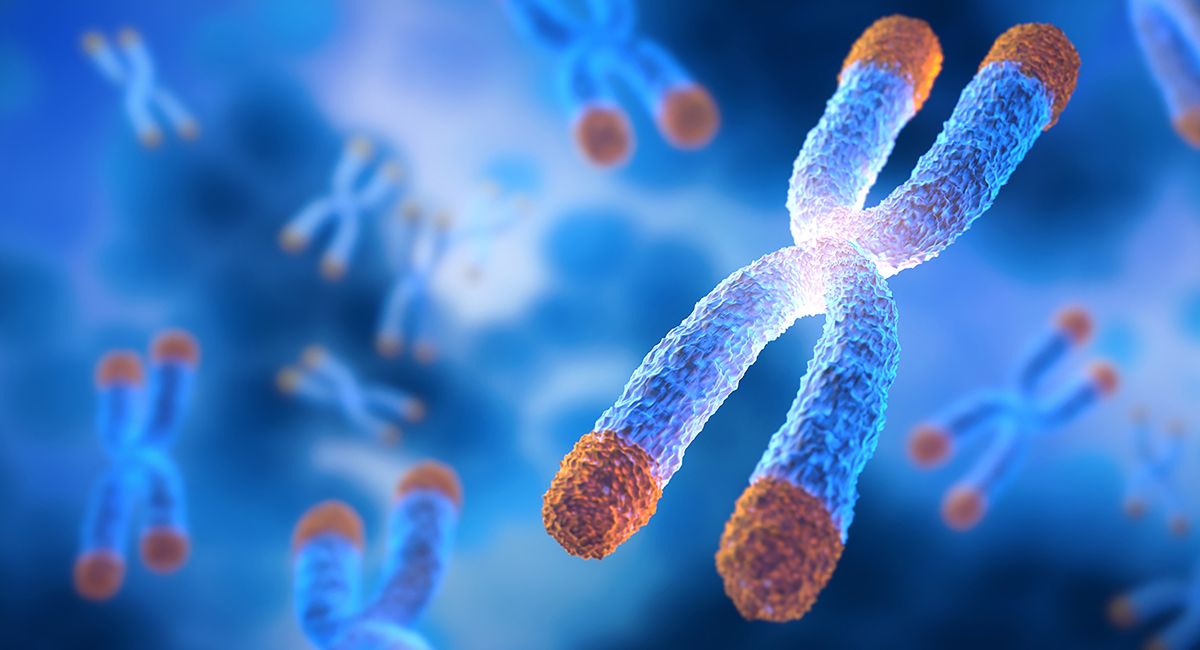
Like the plastic-coated tips of shoelaces, they cap the ends of the long, twisted, double-stranded molecules of DNA we call chromosomes in the nucleus of every cell in the body. This capping keeps the ends of our chromosome strands intact, protecting the integrity of the genetic data when the cells divide.
The average human body (depending on size) contains around 37 trillion cells, of which approximately 2 trillion divide every day through natural cellular replacement, growth and injury repair. Unfortunately, each time a non-reproductive cell in the body divides (in a process known as mitosis; sex cells split in a similar process called meiosis), the telomeres capping the chromosomes in each cell get shorter.
When they get too short, the cell can no longer divide. Known as “replicative senescence,” this is when a cell becomes inactive and/or dies. Senescent cells can build up in our tissues, possibly contributing to the loss of tissue function associated with age-related illnesses, cancer and death.
They’re said to have a senescence-associated secretory phenotype (SASP). This means they secrete high levels of inflammatory cytokines, immune modulators, growth factors and proteases, which induce aging in young cells nearby and trigger tumor growth.3
So, how often do our cells undergo mitosis and meiosis? Cell life cycles vary from a few hours during our embryonic development to two to five days for most tissue/organ cells. Cell division happens naturally but can also be triggered by events outside the cell, which may be as simple as the death of a nearby cell or as traumatic as exposure to toxins.
Telomeres and telomerase (a protein that aids in maintaining telomere length) are linked to common age-associated diseases, such as neurodegeneration and cancer.4 Telomere shortening and changes in telomerase activity have been associated with osteoarthritis and osteoporosis.5
Shortened telomeres have been connected to type 2 diabetes mellitus,6 metabolic dysfunction leading to heart problems, and psychiatric disorders such as major depressive disorder.7
Unsurprisingly, there is consistent evidence of shorter telomeres in Alzheimer’s disease patients.8 But it’s not just telomere length that’s involved in human (and other mammals’) aging processes. Aging may occur even when our telomeres are long and intact.
Cellular damage and general cell senescence happen as a matter of course. Harmful chemical agents, including pesticides, heavy metals, aflatoxins (carcinogens and mutagens produced by certain molds) and radiation, can cause telomere DNA damage signaling that negatively impacts nearby cells, no matter how long and healthy the telomeres themselves are.9
Interestingly, shorter and longer telomere length are both associated with an increased risk of Alzheimer’s,10 a highly age-related disease, and of cancer.11
Back in the early 1980s, Russian gerontologist Vladmir Anisimov discovered that epithalamin, an enzyme naturally produced in the pineal gland of calves, had a positive impact on cellular aging. Dr Vladmir Khavinson advanced his work and synthesized a related peptide called Epitalon (aka Epithalon or epithalamin), made up of four amino acids.
Laboratory results proved Epitalon could enter DNA in the cells and instruct it to “turn on” genes that keep cells healthy. Called the “fountain of youth” peptide, it also directly stimulated the production of telomerase in human somatic cells, causing telomeres to lengthen by an average of 33.3 percent.12
An enzyme that is normally produced only in stem cells, telomerase is designed to protect, maintain and even lengthen telomeres. But it’s normally made only in stem cells because, unlike regular somatic cells, stem cells are critical to body-wide cellular regeneration and divide much more frequently. This means the DNA information in stem cell chromosome strands requires added protection from fraying and breakdown.
Today, telomerase is often called the “anti-aging enzyme” and has gained great notoriety in the health world as eager customers continue to seek the ever-elusive “fountain of youth.” In 2000, a small molecular activator of telomerase, TA-65, was found in a plant-based extract of certain traditional Chinese medicines. It’s now produced and marketed by T.A. Sciences as a supplement that can help maintain and rebuild telomeres.
Many other supplements with trademarked telomerase-stimulating formulas, like Telomerin, Telomere Plus and Telomir-1, are now being marketed as promoting activation of telomerase in all cells throughout the body, including somatic cells. This would seem to be a really good thing except that telomerase is also a highly expressed tumor marker and a key element in cancer cells.13
Telomeres, telomerase and cancer have an interesting relationship. On the one hand, the shortening, fraying and breakdown of telomeres can lead to flaws in DNA replication, which can lead to the development of various cancers in the human body.
On the other hand, telomerase, which has been proven to lengthen and strengthen telomeres and prevent breakdown, is a highly active element in cancer. While telomerase is not responsible for the creation of cancer, its presence is a requirement for the sustained growth (“replicative immortality”) of most advanced cancers. That’s why telomerase inhibition is a burgeoning field in oncology.14
If telomerase is activated in cells where it shouldn’t be—such as in somatic cells—its presence could well lead to cancer. As Jan Karlseder, a professor at the Salk Institute for Biological Studies, recently pointed out, “Pretty much every single cancer cell has found mechanisms to maintain the telomeres and overcome the telomere shortening pathway. And that is what keeps cancer cells immortal. . . . I would very much caution against the approaches that simply elongate telomeres.”15
So, what’s the best route for establishing telomere health and longevity? And is the longevity of telomeres really as important as it’s purported to be?
Studies are now beginning to show that extended cellular longevity and the capacity to maintain telomere length over longer periods of time aren’t always beneficial. For example, people with long telomeres that haven’t been checked by normal telomere-shortening processes tend to develop cancerous tumors and form mutated blood cells from stem cells, which can lead to cancers of the blood.16
“There are a lot of anti-aging doctors who just do a lot of peptide injections,” says anti-aging specialist Nooshin K. Darvish, ND, medical director and founder of the Holistique Naturopathic Medical Center in Bellevue, Washington. “And sure, you can do that.
“I’ve seen regeneration of joints, for instance, with Epitalon injected into the joint. I’ve seen arthritis reduction. And I use peptides as well.
“But from my perspective, the best approach is to not focus strictly on telomere length and health but rather make sure that we’re covering our bases for all of those 12 hallmarks of aging, including telomere support.”
She also points out that an intense focus on telomere health might be misleading. “Yes, it’s important,” she says, “but it’s not like there are individual tests and blood work you can get that will give you a clinical reading on your overall telomere health and general length.
“A general lifestyle approach works best, focusing on exercise, keeping to a healthy plant-based diet that’s high in polyphenols, dry fasting or intermittent fasting, good sleep habits, and maintaining a positive mindset through practices like meditation.”
She recommends supporting those lifestyle changes with basic supplements to make sure we’re getting what the body needs to carry out the anti-aging processes, including keeping telomeres healthy. “My basic question is always, ‘Can we do this with foods and lifestyle choices first?’
“But before we get into specific foods and supplements like curcumin and resveratrol, omega-3 fatty acids, flaxseeds and green tea extract, I want to throw out to you something that we don’t hear enough about,” says Darvish. “And that is dawn-to-dusk dry fasting.
“Studies are starting to show that a dry fast—which means you don’t eat or drink anything, not even water, between sunrise and sunset—has a positive impact on telomere activation, stem cell activation and other regenerative processes in the cells.”
Indeed, one study has shown that dry fasting from dawn to sunset for 30 days has anti-atherosclerotic, anti-inflammatory and anti-tumorigenic effects in people with metabolic syndrome.17 Another study showed it upregulates proteins that protect against inflammation, obesity, diabetes, metabolic syndrome, cancer, Alzheimer’s disease and neuropsychiatric disorders. It also induces key regulatory proteins of circadian rhythm, DNA repair and immune system function.18
“Historically, certain cultures have known about this for a long time,” says Darvish. “Science is just learning about it. But the combination of dry fasting with exercise, even just 30 minutes of walking three times a week, is truly quite effective.”
Note that it’s best to check with your doctor before attempting dry fasting.
Independent of the effects of normal cell division, both the long and the short of telomere health is that it’s influenced by genetic, epigenetic and environmental factors. Generally speaking, women usually have longer telomeres than men.1 And on average, Black and Hispanic people have shorter telomeres than White people.2
There’s even an inheritable condition, short telomere syndrome, in which short telomeres affect stem cell division in bone marrow, the skin, and the lining of the lungs and digestive tract. This leads to bone marrow failure and immune system deficiency as well as to lung, liver and GI issues.
Those aren’t factors we can control, but the ones below are.
Factors that shorten telomeres
Obesity is related to telomere damage.3
Oxidative stress is an imbalanced condition that results when our cells’ ability to eliminate free radicals, including reactive oxygen species (ROS), has been compromised. Even mild oxidative stress can shorten telomeres.4
Free radicals are unstable molecules that contain unpaired electrons. They’re caused by numerous influences including cigarette smoke, pesticides, industrial solvents, environmental pollution, radiation, ozone and exhaustive exercise.5
A low-quality diet featuring lots of processed meats, cereals and sugary beverages is associated with shorter telomere lengths.6
Alcohol consumption may shorten telomere length.7
Irregular sleep can shorten telomeres. It may include a delayed circadian rhythm, sleep disorders or excessive sleep. However, these issues don’t cause faster shortening rates.8
Factors that preserve or lengthen telomeres
Good nutrition including a diet with lots of plants, such as the Mediterranean diet, combats DNA damage. Seeds and the carotenoids found in yellow, orange and red plants have particular effects.9
A ketogenic diet decreases cell death and increases telomere length.10 One study among female nurses found that coffee consumption was associated with longer telomeres.11
The ingestion of nutraceuticals such as L-glutamine, linoleic acid, krill oil, vitamin E, magnesium, B vitamins, vitamin K2, and beta-carotene is known to help maintain telomere length.12
High-intensity interval training (HIIT) seems to have a positive effect as well.13
Adequate restful sleep consisting of the good old standard seven to eight hours is known to protect telomeres and restore them at night.14
Plant polyphenols
Darvish highly recommends a plant-heavy diet focused on vegetables and fruits with high amounts of polyphenols, which support the health of our telomeres and mitochondria (the cell parts that we use to make energy from food). Polyphenols like lignans, flavonoids, phenolic acids and resveratrol are powerful antioxidants that can reduce cellular degradation and aging.
These are some polyphenol-rich foods:
Those with an intake of more than 650 mg of polyphenols per day have a 30 percent lower risk of death than those consuming less than 500 mg per day.2
Animal protein
Foods high in omega-3 fatty acids, such as salmon, mackerel, sardines, herring and oysters, have a positive effect on telomere length.3 Red meat is also good for telomere length and protection.4 But processed meats, such as luncheon meats, have proven to be some of the worst to eat for telomere health.5
“Food is medicine,” says Darvish. “That’s where I go first before I give people supplements. And grazing in your own backyard is far more beneficial than people realize.
“Common things you can grow that aid in telomere health are things like lemon balm and, of course, turmeric, onions, spinach, mushrooms and berries. Eating straight from the earth, you’re aligned with nature’s life frequencies right there.”
As far as supplements go, here are some recommendations. No standard dosages have been determined.
Astragalus root extract
Its main bioactive components, cycloastragenol and astragaloside IV, are telomerase activators. Studies show it promotes general telomere health and lengthens telomeres.1
Ashwagandha
An Ayurvedic supplement, ashwagandha is believed to stimulate telomere activity by up to 45 percent.2 It’s also an adaptogen (substance that aids in dealing with stress, fatigue and anxiety), fostering general health.
Berberine
Berberine is being explored in anti-aging medicine because it retards cellular senescence caused by telomere shortening in mice and helps to regulate telomerase in cancer cells.3
Coenzyme Q10
CoQ10 is a powerful antioxidant that supports mitochondrial function and the generation of cellular energy in the form of ATP. It’s thought to interact with telomerase to help maintain telomere length, and studies show that, especially when combined with selenium supplementation, it slows telomere degradation.4
How to choose a CoQ10 supplement.
Curcumin
Supplementation with curcumin, the inflammation-mediating compound in turmeric, increases telomerase activity, supporting length maintenance. It also has anti-cancer properties.5 Including piperine (from black pepper) improves absorption.
DHA
The omega-3 fatty acids DHA and EPA are known for treating age-related cognitive decline and neurological disorders, including Alzheimer’s. Some research indicates DHA might protect telomeres and promote their longevity.6
Folate
Folate, vitamin B9, has been shown to mitigate oxidative stress-induced telomere shortening.7 Most studies use the synthetic version, folic acid, but remember to look for forms the body can easily use. Some people can’t process folic acid, particularly if they’re among the many who have the MTHFR mutation, and do better with methylfolate or folinic acid.
NMN
Nicotinamide mononucleotide (NMN) produces NAD+ (nicotinamide adenine dinucleotide), a coenzyme involved in cellular metabolism and energy production. In a study of both mice and humans, NMN improved the gut microbiome and increased telomere length.8
Quercetin
Quercetin is a flavonoid and antioxidant found in some vegetables and fruits. Early studies indicate quercetin has a positive effect on telomere length in patients with diabetes.9
Spermidine
Spermidine is a compound found in green peppers, wheat germ and cauliflower. In mice, spermidine supplementation reduced symptoms of aging, including problems with brain glucose metabolism. It also reduced cardiac inflammation, kidney and liver malfunction, hair loss, and telomere shortening.10
Vitamin D
A vitamin D deficiency shortens telomere length. Correspondingly, increasing vitamin D intake may help maintain telomere length.11
What do you think? Start a conversation over on the... WDDTY Community

Great news! Discounts are available based on your cart total. Check the details below: