Holistic vet Rohini Sathish shares alternative and complementary treatments for the womb infection pyometra in dogs.
QUESTION
Our vet has advised us to get our five-year-old dog, Lucy, spayed. We wanted to have her puppies but never got around to breeding her. The vet says she may end up with a serious condition called pyometra. Can you suggest any holistic options?
A.B. via email
ANSWER
Pyometra is a life-threatening infection of the uterus that typically affects older, intact (unspayed) female dogs. It can occur in cats too, although it’s much more common in dogs.
The name literally means pus in the uterus (womb). It’s not unusual for dogs to get a bacterial infection in the uterus from time to time, but if there is a buildup of the uterine lining without a pregnancy, the infection can persist and become pyometra.
The use of hormones like estrogens to control when a dog goes into season/heat or to end an unwanted pregnancy can increase the risk of pyometra. Female dogs raised with intact males but not allowed to breed when they come into season may have an increased risk of pyometra when they are older. Elderly unspayed females that have never had pups are also predisposed to it.
Symptoms of pyometra include lethargy, a lack of appetite, drinking and urinating more, vomiting, excessive panting and a high temperature (104°F/40°C and above). You may also notice an obvious swelling of the abdomen as the uterus becomes distended with pus.
Pyometra can be ‘open’ or ‘closed.’ In the case of open pyometra, the womb entrance is open, meaning you are likely to notice smelly discharge from your dog’s vulva. With closed pyometra, the womb entrance is shut, so you are unlikely to see any discharge.
The closed form is much more serious due to the risk of rupture. If left undiagnosed, dogs with closed pyometra can die within 14–21 hours from the first clinical signs.
Pyometra is an emergency, so you should take your dog to the vet immediately if she is showing any signs. It’s usually diagnosed on the basis of the symptoms alone, but an ultrasound scan or X-ray may be necessary to confirm the condition.
Leukocytosis (a large number of white blood cells) is often seen in closed pyometra, so your vet may recommend a blood test to check leukocyte numbers. Pyometra should also be differentiated from metritis, a uterine infection that occurs in dogs that have just had pups.
Ovariohysterectomy (OVH), or spaying, is the treatment of choice if your pet has pyometra. The success rate is quite high if your pet is diagnosed quickly after the symptoms develop.
I have successfully performed many of these operations and have had no problems, even in elderly pets that are otherwise healthy. In most animals, the distended uterus is at least four to five times the size of a normal uterus.
Intravenous fluid therapy prior to surgery is very beneficial, especially if there is kidney dysfunction due to the increased thirst.
A course of antibiotics is usually prescribed to combat the infection. A combination of prostaglandins and antibiotics have been tried in cases where surgery is not possible due to some other serious health condition or because the dog is used for breeding. But these are not always successful, and most pets have required spaying at some point.
More recently, a drug called aglepristone has been tried in pyometra, with limited success.
Ovary-sparing ovariohysterectomy
If you don’t intend to breed your pet but want to keep her hormones functioning as nature intended, then it is a good idea to get her operated on by a vet who is willing to remove just your dog’s uterus and leave her ovaries inside her. This will prevent pyometra.
The cost of performing a routine OVH or an ovary-sparing spay is much less than the cost of surgery for pyometra.
Observing your pet and monitoring when she goes into season is also very important to enable early diagnosis and treatment.
Remember, though, that even if just a small bit of the uterus is left behind while performing a full OVH or an ovary-sparing hysterectomy, your dog can develop a “stump pyometra,” where an infection develops inside the remaining stump. To avoid this, make sure you get an experienced surgeon to operate on your dog.
Uterine lavage
A newer treatment option, this involves using a transcervical endoscopic catheter (used routinely for artificial insemination) to infuse warm saline containing prostaglandin F-2alpha into the uterus. An ultrasound is then performed every two days to check for fluid in the uterus. If any fluid is detected, the process is repeated.
This procedure may resolve pyometra the first time around, but it’s possible your dog may develop it again in the future after her next season.
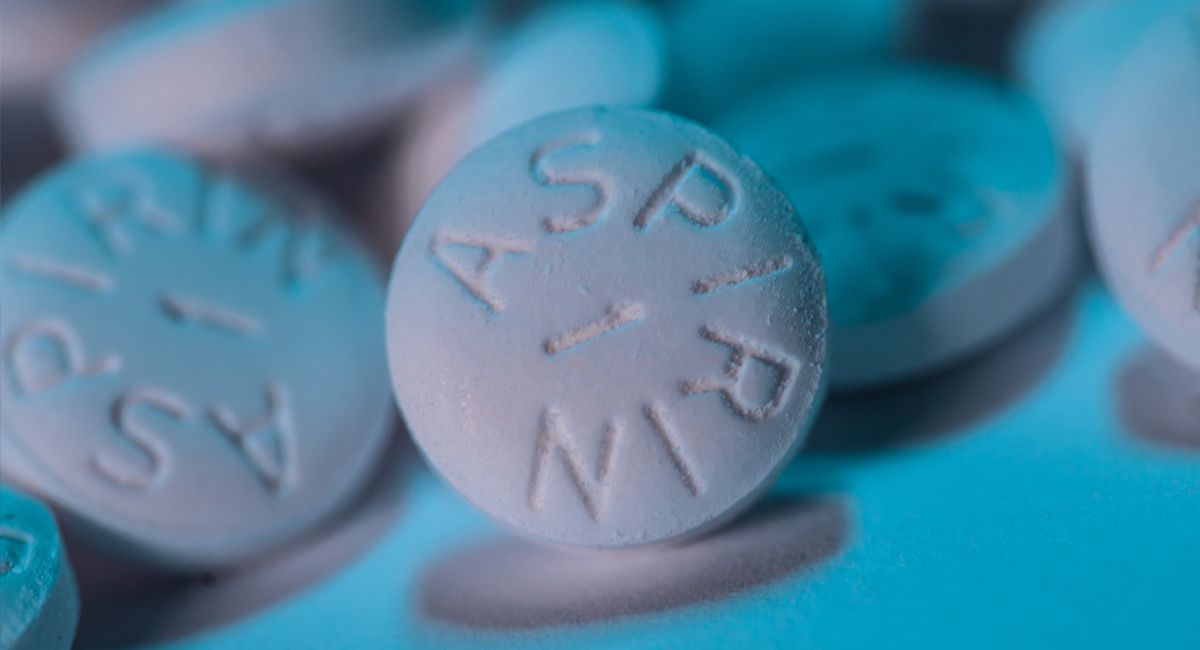
This homemade gel can be gently massaged around the suture line and over the abdomen of your dog in the post-op period. Aloe and yarrow both have analgesic and anti-inflammatory properties and contain small amounts of the painkiller salicylic acid (the active ingredient in aspirin).
4 oz (115 g) yarrow leaves and flowers
6 Tbsp aloe vera gel
½ tsp xanthan gum (a natural thickener available online)
1 Place the yarrow leaves and flowers in a mortar and bruise them with a pestle to release some of the precious oils. Place in a cup, add boiling water and steep overnight until cool.
2 Strain the liquid and pour into a blender with the aloe vera gel and the xanthan gum. Blend until a smooth gel is formed. Pour the gel into an airtight glass jar and label.
3 Store in the fridge for up to one month (not for internal use).
4 Apply topically and massage gently to affected areas, avoiding the face and genitals.
If your dog has a poor appetite, you can feed her simple chicken broth or try these garlic canine biscuits.
4 oz (115 g) oatmeal
3.5 oz (100 g) self-rising flour
2 cloves garlic, ground to a paste
1 Tbsp honey
Method
1) Preheat oven to 375°F/190°C. Grease an 8 × 11 in (20 × 28 cm) baking sheet.
2) Mix together all the ingredients in a large bowl to form a soft dough. Spread mixture ½ inch (1 cm) deep on the baking tray. Bake for 25–30 minutes until just firm.
3) Remove from the oven and let cool. Cut into bite-sized squares.
4) Keep in an airtight, labeled container in the fridge for up to five days or freeze for up to one month.
The following homeopathic remedies can be helpful for pyometra:
Aconite 1M. Give this remedy as soon as your dog is even slightly off color, 6–8 weeks after her season. Crush up the dry pellets and place them directly on the tongue or gums.
Hepar Sulphuris 6c or 30C. Dose 3–4 times daily for 4–7 days as long as she is improving. Try this remedy only if your dog has open pyometra and she is off color, very thirsty, not eating normally and has an obvious foul-smelling dark-red vaginal discharge, especially a few weeks after her season. If she is not improving at all or getting worse (e.g. more lethargic, stops eating entirely), rush her to your vet.
Carduus marianus 6c along with Berberis 6c. These remedies are effective in supporting the liver and kidneys during the infection. Give three times daily for two weeks as a liquid. Fill an amber bottle with distilled water and add 4 pellets of the remedy, allowing it to dissolve for 30 minutes. Use separate bottles for each remedy.
If you and your vet decide that spaying your dog is the best option, then consider these two remedies following her surgery:
Arnica 1M. Give immediately post-op to help with the physical and emotional trauma. Give once every hour for three doses, followed by Bellis perennis.
Bellis perennis 1M. Give every hour for three doses to alleviate the deep abdominal muscle trauma and pain.

|
References |
|
|
1 |
J Am Vet Med Assoc, 1984; 184: 1255–8 |
|
2 |
J Am Vet Med Assoc, 1973; 163: 290–2 |
What do you think? Start a conversation over on the... WDDTY Community

Great news! Discounts are available based on your cart total. Check the details below: