Women’s health expert Marcelle Pick reveals her go-to healing herbs for supporting healthy thyroid function
More women than ever before are coming into my office with symptoms that make their lives impossible to enjoy, and with some awareness that thyroid hormone imbalances might be causing them. However, they often have no idea what to do about it.
Conventional practitioners are often quick to reach for a prescription pad to deal with thyroid problems without even trying more gentle, natural approaches. But the women who come to see me know that prescriptions aren’t always the answer—and they certainly shouldn’t be the first course of action.
Once you begin taking a prescription, it can be exceedingly difficult to stop. And it is possible to support your thyroid and begin healing naturally if you have the right information.
Of course, everybody responds to treatment differently, and I’m not suggesting that women with thyroid diseases shouldn’t consider prescriptions that can protect their health and bring relief. What I’m saying is that there are natural remedies and lifestyle changes that can help facilitate your thyroid’s healthy recovery before you reach that point of no return.
I’ve written about the best foods for a healthy thyroid before, but herbs can also provide powerful thyroid support. While these herbs won’t cure thyroid disease, they can certainly help your body heal. First, though, let’s look at how the thyroid works and how to tell whether yours needs help.
Before you can properly support your thyroid, you should know where it is and what it does. The thyroid is a small butterfly-shaped gland in the front of your neck. Its most basic function is to convert iodine from food into two thyroid hormones: thyroxine (T3) and triiodothyronine (T4). Your thyroid is responsible for regulating metabolism in your body.
Your pituitary gland, located just below the brain, determines levels of T3 and T4, then makes thyroid-stimulating hormone (TSH) to either increase or decrease production of each to reach an optimal balance. And how does the body know how much TSH to make? It’s regulated by another master gland—your hypothalamus.
None of these systems work in isolation, so it’s important that they are all functioning to their best ability. That’s why supporting your thyroid is so critical.
Sudden weight fluctuations, extreme fatigue, and unexplained pain in joints and muscles are among the most well-known symptoms of thyroid issues. Others may not be as obvious.
Changes to hair and skin (like extreme hair loss or dry, scaly skin), drastic mood swings, decreased sex drive and digestive issues can also indicate a thyroid hormone imbalance (see below for the symptoms of underactive and overactive thyroid).
Because many thyroid symptoms mirror many other conditions, thyroid testing is extremely important if you find yourself facing these issues on a regular basis. Realizing that your thyroid needs natural support early on can help you avoid the extremes of thyroid disease.
If dismissed too long, these symptoms can become more severe, and you risk permanent damage to your thyroid gland. But that can almost always be avoided by taking the right steps toward healing—including knowing the best herbs for thyroid support.
Herbs are an amazing way to boost health. They contain essential vitamins and minerals that are often lacking in our modern diet. And they’re all natural, so you don’t have to worry about side effects that often accompany lab-created chemicals.
Of course, you may have sensitivities to particular herbs, so it’s important to pay attention to how you feel and your body’s reactions to anything new you add. I suggest working closely with a qualified health practitioner to determine which herbs and dosages are best for your unique circumstances.
Some of these herbs work well for hypothyroidism (underactive thyroid), while others for hyperthyroidism (overactive thyroid), and you don’t want to inadvertently make your situation worse. Even natural over- or under-stimulation of the thyroid gland can be a real problem.
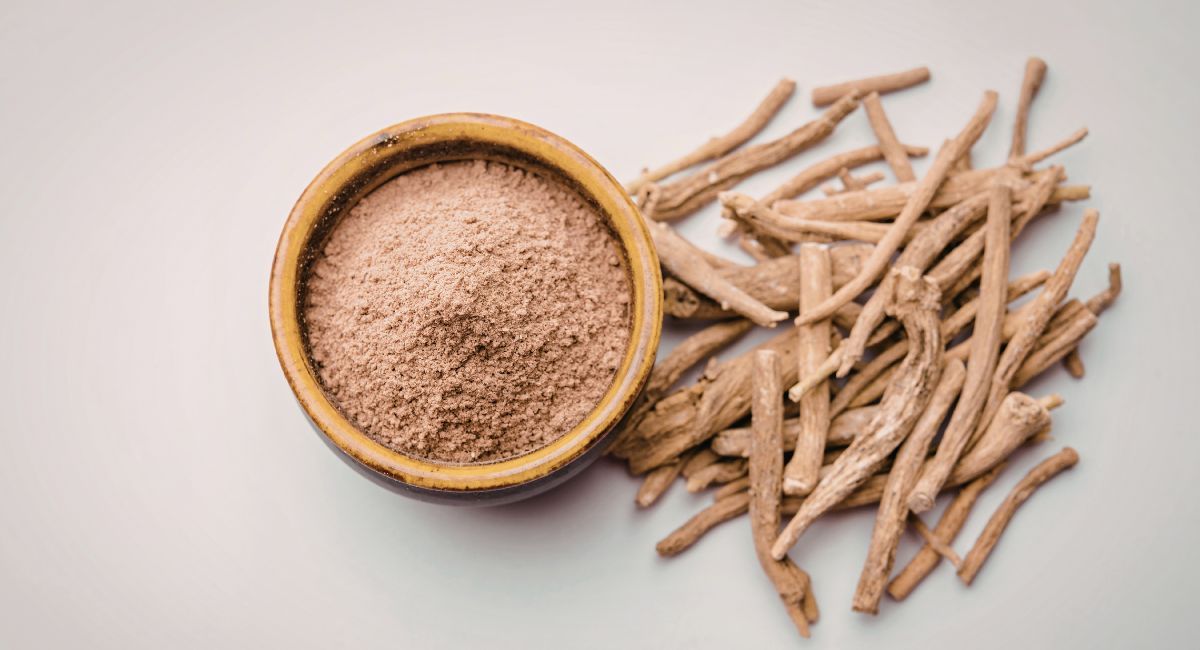
This adaptogenic herb has been used for thousands of years and is especially popular in Ayurvedic medicine. Extensive research has been conducted on the benefits of ashwagandha, and in addition to supporting thyroid health, it’s been shown to possess many other beneficial properties.
Along with a long history of research indicating a connection between ashwagandha and a positive impact on thyroid functioning, a study published in 2018 concluded that treatment with ashwagandha may improve thyroid hormone levels in patients with subclinical hypothyroidism (when the thyroid is mildly underactive, but not enough to cause clear symptoms yet).1
Another commonly used herb in Ayurvedic medicine, Bacopa monnieri has been found to have positive effects on both hypothyroidism and hyperthyroidism. It seems most effective when taken in conjunction with ashwagandha, green tea, dietary fatty acids and milk.
Research on mice (which may not apply to humans) showed that the herb increased levels of T4, which may in turn reduce the production of TSH,2 indicating it might be an effective treatment for hypothyroidism. It could also treat goiter (enlarged thyroid gland), which occurs when too much TSH collects in the gland.
Black walnut is used by many herbalists to treat both goiter and hypothyroidism. Black walnuts contain essential minerals like iodine and manganese, which play a key role in enhancing thyroid function.
Although technically a spice, not an herb, ginger has been used in herbal medicine for centuries. It has well-documented anti-inflammatory properties, and chronic inflammation can cause thyroid disorders. Ginger contains both magnesium and potassium as well as manganese and the antioxidant compound gingerol.
Also known as tulsi, this herb was considered sacred by Indian royalty and showed up often in Hindu mythology. Nowadays, it has been shown to be effective in balancing mind, body and spirit.
Part of the mint family, holy basil is well known as an adaptogenic herb in natural medicine. Chronically high cortisol, caused by ongoing stress, can create a host of problems, including thyroid dysfunction. Holy basil helps your body adapt better to stress.
This herb has many traditional uses, including encouraging restful sleep, calming stress and anxiety, and relieving indigestion. Research has also shown it can benefit people with hyperthyroidism.
One study showed the extract prevents the components that overactivate the thyroid from binding with thyroid receptors in patients with Graves’ disease.3
Lemon balm is also frequently used as an antiviral treatment,4 reducing the load on the liver. Viral infections often go hand in hand with thyroid disorders.
Nettle, or stinging nettle, is often considered the holy grail of thyroid herbs because it’s effective for both underactive and overactive thyroid issues. It can help turn around iodine deficiency, making it particularly beneficial to those with underactive thyroid.
This herb contains other important vitamins and minerals as well, including vitamins A and B6, calcium, iron and magnesium. It’s a good source of selenium, a trace mineral also found in tuna, sardines and Brazil nuts that is vital to proper thyroid functioning.
While it’s important to see a professional for an individual herbal prescription, here are some simple ways to incorporate herbs into your daily routine.
Make an herbal tea. Drinking tea is a great way to relax and decompress when you need a quiet moment. Why not add a little extra oomph to the ritual by choosing thyroid-supporting herbs to make your soothing brew? Dried herbs can be found online or in your local health food store.
Take a high-quality supplement. One of the easiest ways to get a daily dose of herbs and other ingredients to support your thyroid is by taking a combination thyroid support supplement, like my Thyroid Support formula (see shop.marcellepick.com). It contains 250 mg ashwagandha per two-capsule serving along with other healing herbs and nutrients.
Add herbs to smoothies. If you’re used to drinking your breakfast, just add a bit of flavor and texture with some of the herbs mentioned. Lemon balm is a particularly nice addition, adding just a hint of lemon flavor.
Add herbs to food. Sprinkle some healing herbs into your standard meal rotation for a new twist. Food can be amazingly flavorful when you add the right blend of herbs, spices and extracts. While some of these herbs may not taste great (and adding them to food can help hide that), others can perk up an old recipe or help you find a new favorite. Try my Ginger-Poached Chicken recipe, below.
Overactive thyroid (hyperthyroidism)
When your thyroid gland produces too much T3 and T4, it’s known as hyperthyroidism. These are some signs that you might be dealing with an overactive thyroid:
Underactive thyroid (hypothyroidism)
Hypothyroidism—far more common—is when your thyroid gland is underactive, leaving levels of T3 and T4 too low. These are some common symptoms:
An imbalance of thyroid hormones can cause thyroid symptoms in women, but really the imbalance is a symptom itself. Something caused your thyroid hormone levels to become skewed, and to heal your body in the long term, it’s important to examine what that might be.
By the time your symptoms are severe enough to prompt you to seek help, whatever caused the imbalance has probably been in play for a long time. If you don’t discover the cause, those thyroid symptoms are likely to return again and again.
Common causes of hyperthyroidism:
Common causes of hypothyroidism:
Serves 2
Ingredients
Method
Recipe from Is It Me or My Hormones (Hay House, 2013) by Marcelle Pick
What do you think? Start a conversation over on the... WDDTY Community

Great news! Discounts are available based on your cart total. Check the details below: