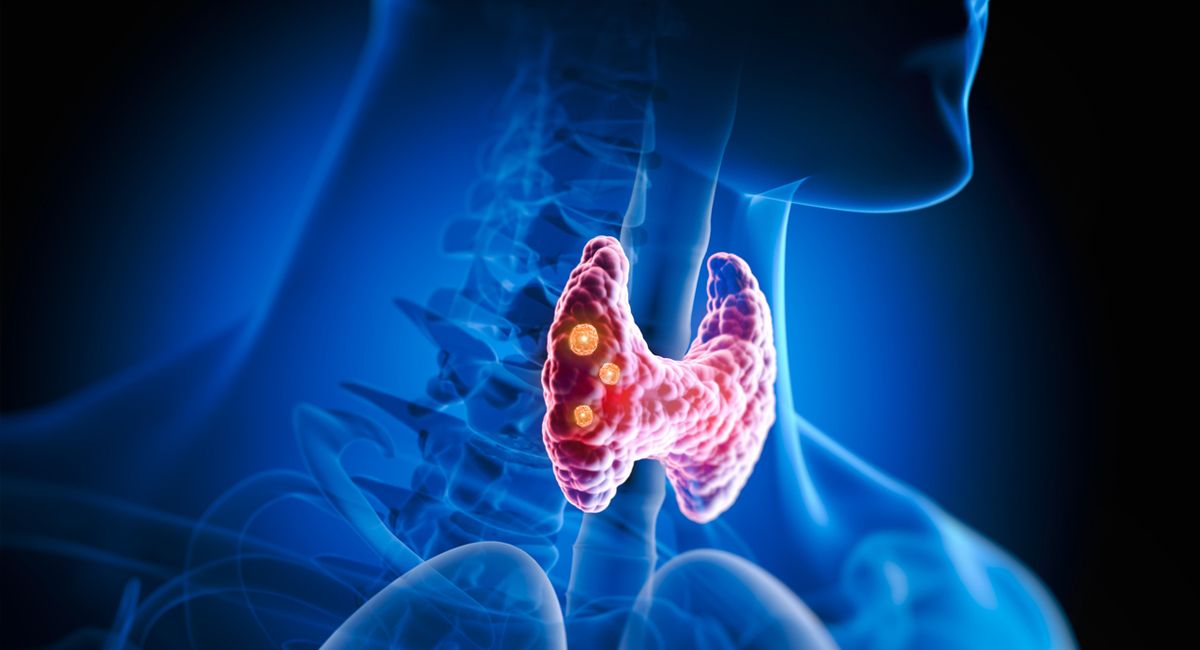
Marcelle Pick reveals the foods and nutrients you need to look after your thyroid naturally
The thyroid is one of the most important, and often mismanaged, glands in the body. Located in the front of the neck, this butterfly-shaped gland secretes hormones that control major functions including weight management, energy use, food metabolism and even sleep.
Women’s hormones can shift out of balance during childbearing, menopause and even chronic stress. This means women have a higher rate of thyroid conditions than men, and it can affect them in many stages of their lives. We hear about thyroid concerns every day, as women want to understand symptoms that point to faulty thyroid functioning.
Healthcare practitioners often rely solely on blood tests and don’t work through the delicate gray area between “Your lab results are fine” and “Let’s try prescription hormone therapy.” But considering only these two opposite ends of the spectrum leaves women at risk of a lifetime of thyroid imbalance and possibly more serious, even irreversible, thyroid conditions.
Before you begin to worry too much, let me reassure you that there are many ways to support thyroid health easily and naturally. We can use easily accessible food and nutrients to encourage proper functioning.
That’s right—the way we eat can actually help, or hurt, the thyroid gland. With the right information, you can make choices that will improve your thyroid health.
The thyroid diet includes simple dietary changes to help your thyroid naturally heal from any issues. First, you need to know the nutrients that are essential for a healthy thyroid. Then you can identify foods to include in your diet to get them.
The thyroid gland needs specific vitamins and minerals to properly do its job. Since we all have unique hormone functioning, the best way to get a handle on what your body specifically needs is to have a full thyroid panel done to pinpoint where individual levels may be off balance.
Still, research shows a few key nutrients are valuable for everyone.
Iodine
This is the most important trace element we know of for thyroid functioning. Without iodine, the thyroid lacks a basic building block it needs to make hormones that support all the tissues in the body.
Thyroxine (T4) and triiodothyronine (T3) are the most essential, active iodine-containing hormones we have. In 2012, a Centers for Disease Control and Prevention report showed that women aged 20–39 in the US had the lowest iodine levels of any age group.1 The UK’s National Diet and Nutrition Survey found the same is true across the pond.2
This is something we can easily improve by eating more iodine-rich foods.
Selenium
This element is indispensable to our thyroid in several ways. Selenium-containing enzymes protect the thyroid gland when we’re under stress, working like a detox to help flush oxidative, chemical and even social stress—which can cause reactions in the body.
Selenium-based proteins help regulate hormone synthesis, converting T4 into the more accessible T3. These proteins and enzymes help regulate metabolism and maintain the right amount of each thyroid hormone in the tissues and blood as well as in organs such as the liver, kidneys and brain.
Selenium also helps regulate and recycle our iodine stores. These are all important functions.
Zinc, iron and copper
These three trace metals are vital to thyroid function. Low levels of zinc can cause T4, T3 and thyroid-stimulating hormone (TSH) to also become low. Research shows that both hyperthyroidism (overactive thyroid) and hypothyroidism (underactive thyroid) can create a zinc deficiency, leading to lower thyroid hormones.3
Low iron levels can result in decreased thyroid function as well. In the presence of an iodine deficiency, iron supplements can help improve iodine absorption and repair the thyroid imbalance.4
Copper is needed to help produce TSH and maintain T4 production. T4 helps regulate cholesterol levels, and some research even indicates copper deficiency may contribute to higher cholesterol and heart issues.5
Antioxidants and B vitamins
Most people have heard that antioxidants are important to help temper oxidative stress, which combats degenerative diseases and slows the aging process. Vitamins A, C and E, along with iodine and selenium, help the thyroid gland mitigate oxidative stress in an ongoing daily process.
Oxidative stress tends to be higher with Graves’ disease, the most common form of hyperthyroidism. In this condition, the overactive thyroid uses more oxygen, which can cause a buildup of oxygenated compounds that can damage cells (see below for more details about the differences between hypothyroidism and hyperthyroidism).
Antioxidants are recommended to help stop the oxidative stress before it dominoes. In addition, the B vitamins, particularly B2, B3 and B6, help the thyroid make T4. As you can see, these mechanisms are all connected, which is why getting the proper micronutrients is crucial.
See ‘Foods for a healthy thyroid,’ below, for whole food sources containing the necessary vitamins and minerals to keep your thyroid healthy and functioning properly.
On the other hand, the foods listed below may disrupt your thyroid function.
Soy
Some studies show that the isoflavones in soybeans can inhibit the enzyme that adds iodine to the thyroid hormone, known as thyroid peroxidase (TPO).6 These studies indicate that soy isoflavone might bond with the iodine we do have, diminishing the reserve for thyroid production.
The issue lies with the levels of iodine we have. If levels are sufficient, eating natural soy shouldn’t be a problem.7 Natural soy is a tremendous help to many women in regulating menopause symptoms and other issues,8 so this is an important nutrient to consider.
Brassica vegetables
This group, sometimes called cruciferous vegetables, includes brussels sprouts, cauliflower, broccoli and cabbage. Animal studies show they can reduce thyroid hormones in a similar way to soy.
They do this by interfering with the thyroid’s ability to take up iodine. A thyroid attempting to capture more iodine enlarges, and this swelling is called a goiter.
Compounds that interfere with iodine uptake, called goitrogens, occur in small amounts in many other foods as well, including spinach, peanuts and strawberries.
Consumed in normal amounts, such as a few servings a week, these foods aren’t likely to cause problems in humans. But eating a lot of them raw in a short amount of time could.9 And as you can see in the list of thyroid health foods below, these foods also contain vital nutrients for thyroid health.
By keeping their consumption to reasonable amounts and pairing them with iodine-rich foods, we can counteract the metabolization reducing iodine. Cooking or steaming these vegetables helps break down the goitrogenic compounds, too.
Gluten-containing foods
There is a distinct connection between gluten intolerance, celiac disease and autoimmune thyroid issues.10 I strongly recommend you avoid gluten—found in wheat and other grains—if you have a thyroid condition. Gluten is found in many foods and can trigger a whole series of digestive issues and hormonal imbalances.
I’ve had many patients whose thyroid functioning improved when we determined they had a gluten sensitivity and removed gluten from their diets. Not only that, but they felt better.
When you learn to support your thyroid naturally, you can improve the way you feel on many levels. Once you know which foods help or hinder your thyroid, and the micronutrients you need, it will become second nature.
Here are some tips to help you get started.
Get tested. Have a full thyroid panel done and check iodine, selenium and vitamin D levels. The combined results of these tests can help you find any underlying conditions and the best way to treat them.
Eat whole foods and consider supplements. Supporting your thyroid by consuming wholesome foods rich in the right micronutrients is ideal. But it isn’t always possible to get everything you need from food.
Taking a high-quality multivitamin and mineral supplement can help round out deficiencies in thyroid imbalance. Try this approach before taking a synthetic thyroid hormone since these prescriptions tend to increase the thyroid’s dependence on them, making it harder to get off them later.
Use herbs. There are many herbs that can support thyroid function, such as chamomile, sage11 and ashwagandha.12 Animal studies suggest Bacopa monnieri and Coleus forskohlii may help.13
Combined with iodine and selenium, these herbs can help boost energy and support healthy metabolism. However, they can have powerful effects, so it’s important to use them carefully. A functional medicine practitioner can help with the formula and dosage based on your individual needs.
Address stress. Chronic stress leads to elevated levels of cortisol, the primary stress hormone. Over time high cortisol can overwork thyroid hormones, eventually leading to hypothyroidism.
A good way to minimize physical stress is to eat more often. Three balanced meals and two healthy snacks every day can keep your thyroid working smoothly.
Minimizing emotional stress is also important. Exercise, plenty of sleep, and relaxation techniques such as yoga and meditation can help balance your hormones and thyroid functioning.
Sit and enjoy your meals. In modern Western culture, relaxing is often at the bottom of our to-do lists. When we’re rushed and hurry to eat, or eat standing at the kitchen counter, in the car or at our desks, the digestive system doesn’t work as well as it does when we’re relaxed and comfortable while eating.
Sitting down and enjoying meals not only helps nourish our bodies, it helps the thyroid by reducing the stress associated with hurrying. Sit with friends and family, talk, laugh, relax and enjoy the break. You’ll notice a difference in how you feel, and your thyroid will, too.
Include the following foods in your diet to get the nutrients you need for healthy thyroid function.
Iodine
Primary sources: Kelp, nori, kombu, dulse, arame, wakame, hijiki, haddock, clams, salmon, shrimp, oysters, sardines, iodized sea salt
Secondary sources: Eggs, spinach, garlic, asparagus, Swiss chard, mushrooms, summer squash, sesame seeds, lima beans
Selenium
Tuna, mushrooms, beef, sunflower seeds, Brazil nuts, organ meats, halibut, soybeans
Zinc
Beef, turkey, lamb, fresh oysters, sardines, soybeans, walnuts, sunflower seeds, Brazil nuts, pecans, almonds, split peas, gingerroot, whole grains, maple syrup
Copper
Crabmeat, oysters, lobster, beef, nuts, sunflower seeds, beans (white beans, chickpeas, soybeans), shiitake mushrooms, pearled barley, tomato paste, dark chocolate
Iron
Organ meats, oysters, clams, spinach, lentils, soybeans, white beans, pumpkin seeds, blackstrap molasses
Vitamin A
Broccoli, asparagus, lettuce, kale, carrots, spinach, sweet potatoes, liver, winter squash, pumpkin, cantaloupe
Vitamin C
Broccoli, brussels sprouts, cauliflower, greens (mustard, collard, kale, turnip), parsley, peppers (chili, bell, sweet), strawberries, guava, papaya, citrus, kiwifruit
Vitamin E
Peanuts, almonds, sunflower seeds, beans and soybeans, asparagus, leafy green vegetables, whole grains, liver
Vitamin B2 (riboflavin)
Egg yolks, organ meats, wild rice, wheat germ, brewer’s yeast, mushrooms, almonds
Vitamin B3 (niacin)
Poultry (white meat), peanuts (with skin), wheat bran, rice bran, liver, brewer’s yeast
Vitamin B6 (pyridoxine)
Fish (tuna, trout, salmon), liver, bananas, brown rice, wheat germ, sunflower seeds, walnuts, beans (navy beans, garbanzos, pinto beans, soybeans, lima beans), brewer’s yeast
Your body can suffer in many ways when thyroid hormones aren’t properly balanced. Here are the signs and symptoms of the two main types of thyroid disease.
Hyperthyroidism
When your thyroid gland is overactive, producing too much T3 and T4, it’s known as hyperthyroidism. While this condition is relatively rare, when it goes unrecognized, symptoms can be quite uncomfortable.
These are some signs that you might be dealing with an overactive thyroid:
Restlessness
Irritability
Poor sleep
Hand tremors
Weight loss even if you’re eating more
Heart palpitations
Sweating
Increased thirst
Diarrhea
Shortness of breath
Menstrual changes
Skin and hair changes
Fatigue
Muscle weakness
Swollen thyroid gland
Eye problems
Typically, those with hyperthyroidism don’t exhibit all of these symptoms but often have at least two. Symptoms rarely show up overnight; instead, they develop over several weeks. That’s why it’s important to recognize even mild symptoms and investigate before the condition becomes too severe.
Left untreated, hyperthyroidism can increase risk of heart problems, pregnancy complications and osteoporosis.
Hypothyroidism
Far more common, hypothyroidism is what it’s called when your thyroid gland is underactive, leaving levels of T3 and T4 too low. Symptoms range from annoying to quite severe depending on the level of deficiency, and they show up slowly—often over several years.
It’s easy to attribute some of the signs, like fatigue and weight gain, to aging until you develop more obvious symptoms. These are some common signs of hypothyroidism:
Constipation
Dry skin
Facial puffiness
Increased sensitivity to cold
Hoarseness
High cholesterol
Achy or weak muscles
Joint pain and swelling
Thinning hair
Irregular or heavy periods
Memory issues
Depression
A slowed heart rate
Untreated, hypothyroidism can become more severe and include a goiter (enlarged thyroid) and increased cognitive impairment.
While rare, advanced hypothyroidism is very severe and can be life-threatening. Symptoms of this condition include low blood pressure, dips in body temperature, decreased breathing and coma.
What do you think? Start a conversation over on the... WDDTY Community

Great news! Discounts are available based on your cart total. Check the details below: