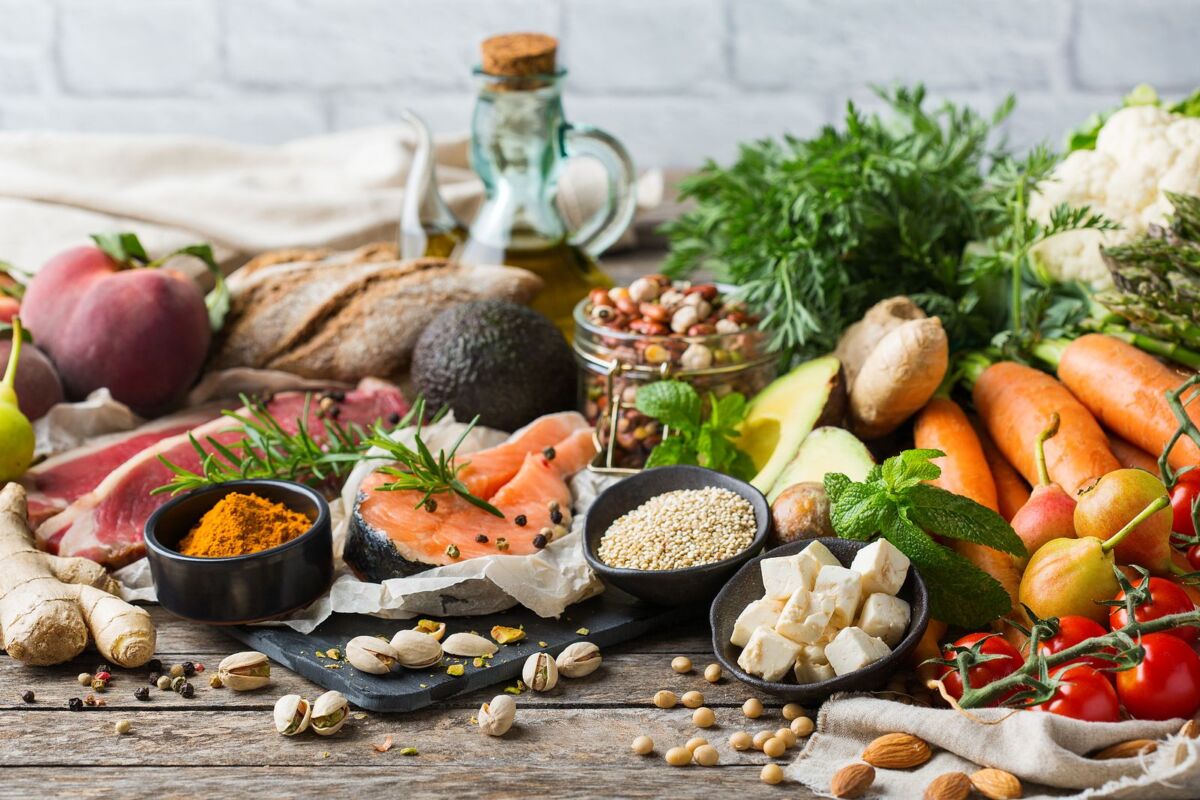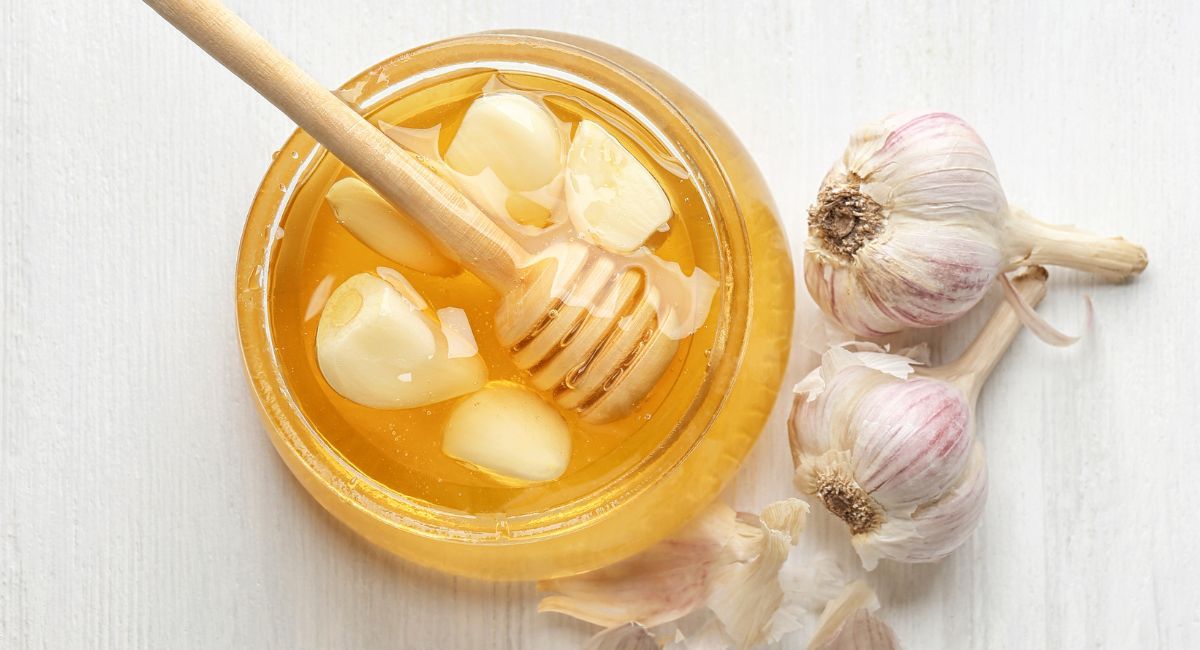
Your kitchen cupboard could be home to a host of health heroes, says author, researcher and former GP Dr Penny Stanway. Here are three powerful ingredients to include in your daily diet and how to use them as natural remedies
Olive oil, honey and garlic are kitchen cupboard essentials that can help transform even the drabbest dishes into something delicious. But their benefits extend beyond the kitchen: They may also help prevent or treat a surprising range of health problems, from cuts and cold sores to Alzheimer’s and cancer.
Here’s just a small selection of the many benefits and medicinal uses of these everyday ingredients and how best to incorporate them into your daily life.
Olive oil as part of a healthy diet can help to prevent and treat many ailments, thanks to constituents such as its monounsaturated fats and antioxidant polyphenols. So valuable a commodity has olive oil been over the centuries, it’s easy to understand why Homer called it “liquid gold” in The Odyssey and why Hippocrates—the father of medicine—referred to it as the “great healer.”
An unofficial industry benchmark for high-quality olive oil (one made with good olives and a good production process) is a free fatty acid level of 0.3 percent or less.
Choose extra-virgin olive oil (EVOO) as this has been pressed from olives mechanically, not by using heat or chemical solvents. This maintains its polyphenols—responsible for olive oil’s scent, flavor and green color—which include secoiridoids like oleuropein and oleocanthal, phenolic alcohols like tyrosol and hydroxytyrosol, and more.
Polyphenols also contribute to olive oil’s health benefits. Oleocanthal, for example, inhibits two of the body’s enzymes (COX-1 and COX-2) that help make prostaglandin that enables inflammation. This means it acts as an anti-inflammatory agent and a painkiller.
You can incorporate olive oil into salad dressings, add it to cooked foods (such as soups) and use it instead of butter or other fat or oil in almost any recipe.
Avoid heating it to high temperatures, as heat degrades its polyphenols. One study found that frying with extra-virgin olive oil decreased its polyphenol content by 40 percent at 120°C (248°F) and by 75 percent at 170°C (338°F).1
Try to use olive oil within a year of buying it, as its polyphenols will fall over time.
Longevity
Researchers who followed more than 12,000 people in Spain for over a decade found that consuming 1½ tablespoons of virgin olive oil a day was associated with a one-third lower risk of death from all causes, and half the risk of death from cardiovascular causes. These effects were not associated with other olive oils.2
In another study, US researchers examined nearly 30 years of information on 90,000 US health professionals in the Nurses’ Health Study and the Health Professionals Follow-Up Study. They reported that consuming more than 1½ teaspoons of olive oil a day reduced the risk of dying early from any cause by 19 percent compared with consuming less.3
How to use it: Consume at least 1½ tablespoons of EVOO a day.
Brain health
Olive oil’s anti-inflammatory and antioxidant polyphenols, along with its monounsaturated fatty acids, can help to keep the brain healthy.
One study found that daily consumption of EVOO improved cognitive function in people over age 55.4 And in a study of elderly people in southern Italy, age-related cognitive decline was least likely in those who consumed the most monounsaturated fat.5
EVOO’s antioxidant and anti-inflammatory compounds may help combat oxidative stress and inflammation in the brain associated with Alzheimer’s. Researchers say the polyphenol oleocanthal, which is plentiful in olive oil, can bind to amyloid protein—a protein associated with Alzheimer’s that can accumulate in the brain—and reduce its damaging effects.6
An overview of studies found that strict adherence to the Mediterranean diet, which is rich in olive oil, cuts the risk of Alzheimer’s and slows cognitive decline.7
How to use it: Consume at least 2 tablespoons of EVOO daily as part of a Mediterranean diet.
Arthritis
Italian researchers who studied 365 people with rheumatoid arthritis reported that higher consumption of olive oil had a favorable effect on symptoms and on the level of the inflammation marker C-reactive protein in the participants’ blood.8
How to use it: Consume at least 2 tablespoons of EVOO each day. If symptoms are severe, try 4 tablespoons a day.
Stroke and heart health
Research suggests that olive oil may help protect against stroke and heart disease.
How to use it: Consume at least 2 tablespoons of EVOO daily.
Cancer
Several studies suggest olive oil helps prevent certain cancers. A review and meta-analysis of 45 studies associated the highest consumption with a 31 percent lower likelihood of any cancer.14
Research suggests certain constituents of EVOO may help prevent or treat certain cancers as they reduce oxidation damage to DNA or influence hormones, immunity, cell membrane composition or gene expression. The oil’s antioxidants and anti-inflammatories may slow cancer development, encourage cancer cells to self-destruct, and boost enzymes that block the activation of carcinogens and boost their removal from the body.
In particular, studies show that its polyphenols have anticancer effects in many parts of the body.15
They seem powerfully active against HER2-positive breast cancer cells. Such cells test positive for the HER2 protein, which promotes cancer cell growth, and tend to be more aggressive than other breast cancer cells. Oleic acid, olive oil’s main fatty acid, also reduces the effect of a particular oncogene (a mutated gene that encourages uncontrolled cell growth and division) associated with rapid breast cancer growth.16
The risk of gastrointestinal cancer is 23 percent lower among people consuming the most olive oil. And making olive oil the main dietary fat seems to halve the risk of bowel cancer.14
How to use it: Consume at least 1½ tablespoons of EVOO a day.
In ancient times, honey was considered a symbol of wealth, health and happiness and even an elixir of immortality. Today, studies show this amber elixir can be alkalinizing, anticancer, anti-inflammatory, antimicrobial, anti-obesity, antioxidant, capillary-strengthening, cholesterol-lowering, detoxifying, digestion-enhancing, immunity-boosting, nerve message–carrying and smooth muscle–relaxing. It can be used both topically and internally.
Some of honey’s main bioactives are polyphenol antioxidants called flavonoids.17
Burns
Medical-grade honey is an effective treatment for superficial burns as it has antibacterial and anti-inflammatory properties.
Researchers in India used honey or the antibiotic silver sulphadiazine on burnt skin in 100 people. Bacteria were suppressed much faster in the honey-treated burns, and those burns healed in 18 days, compared with 32 days for the others.18
How to use it: Choose a manuka honey with a UMF (Unique Manuka Factor) of 10 or higher and gently apply a small amount to the burn. Cover with a sterile, non-adherent dressing and secure the dressing in place with medical tape or a bandage.
Dental health
In a study at the University of Otago, New Zealand, 30 volunteers chewed either a manuka honey product similar to fruit leather or a piece of sugarless gum for 10 minutes three times a day, after eating, for three weeks. Plaque reduced by a third and gingivitis (inflamed gums) reduced from 48 percent to 17 percent in the honey group; there were no changes in those chewing gum.19
How to use it: Choose manuka honey with a UMF of at least 10 and rub it into inflamed gums three times a day. You could also eat 1 teaspoon of honey three times a day as a preventive.
Cold sores
Applying honey to cold sores creates a protective barrier that may help soothe pain and irritation, while its anti-inflammatory and antiviral properties can help support healing.
Researchers in Dubai compared honey with acyclovir cream (a common antiviral treatment for cold sores) in eight volunteers with cold sores and eight with genital herpes.
Honey was up to 43 percent better at reducing pain from cold sores and helping them heal. It gave a similar benefit in cases of genital herpes.20
How to use it: Apply raw honey three times a day, or apply manuka honey cream.
Coughs
Honey may help to sooth a cough by calming an irritated throat, while its anti-inflammatory and antimicrobial properties may provide further benefits. In a study at Penn State College of Medicine, 105 children aged two to 18 with an upper respiratory infection and nighttime cough had buckwheat honey, honey-flavored dextromethorphan (an over-the-counter cough medicine) or no treatment 30 minutes before bedtime. The honey group had the best results.21
How to use it: Consume 1–2 teaspoons of raw honey three times a day; every few hours, chew some honeycomb for 15 minutes or gargle 1 teaspoon of honey in half a glass of warm water. Note that honey shouldn’t be given to babies under one year old.
Hair loss
One study reports that honey can slow hair loss in people with seborrheic dermatitis (a skin condition that mainly affects the scalp, causing itching and flaky skin) and dandruff.22
How to use it: Once or twice a week, massage 2 tablespoons of warmed runny honey into the scalp. Wait 30 minutes, then shampoo.
This popular cooking ingredient has long been prized as an aid to health. These are some of its positive effects:
Garlic can be used in a variety of ways. Some people chew a fresh raw clove each day, though this may not be to your taste. Others add raw garlic to salad dressings or incorporate it into soups, stews and stir-fries.
Garlic can also be used topically to help treat various skin conditions, but always do a patch test first. It can be irritating for some people.
Note that garlic is contraindicated in certain medical situations (for example, bleeding disorders and upcoming surgery), especially if taken as a concentrated supplement, so check with your doctor.
Ringworm
There is good evidence that garlic, particularly its ajoene compound, can help heal ringworm. In a Venezuelan study, 60 soldiers with ringworm presenting as “jock itch” were treated with ajoene gel or a cream containing terbinafine (an antifungal drug), for two months. Healing occurred in 73 percent of the ajoene group and 71 percent of the terbinafine group.23
How to use it: Apply garlic macerate or garlic oil (see below) twice daily until the skin has healed and for two weeks after. Alternatively, bathe the infected area with garlic water. You could also include garlic in your daily diet or take a garlic supplement (you need oil-soluble sulphur compounds).
Nail infection
Due to possible antifungal properties, garlic may provide some benefit when trying to treat a fungal nail infection.
How to use it: Apply garlic oil (see below) to the infected nail and adjacent skin two or three times a day for six months for fingernails, or a year for toenails. Or use the oil from garlic oil macerate. You could also include garlic in your daily diet or take a garlic supplement (you need water- and oil-soluble sulphur compounds).
PMS
Garlic could help relieve symptoms of premenstrual syndrome (PMS) thanks to certain compounds that may improve hormone balance and reduce inflammation. One study found that women who took a garlic supplement daily for three menstrual cycles reported less severe PMS symptoms.24
How to use it: Take a high-quality supplement with at least 1.1 mg of allicin or add raw garlic to your food daily.
Depression
According to one study, garlic has action comparable to the antidepressant drugs imipramine and fluoxetine in mice.25
How to use it: Include a clove or two of raw garlic in your diet every day or consider a supplement.
Which honey to use medicinally?
Honeys vary in their healing potential, and you’ll usually pay a premium for monofloral, raw or organic honey. Monofloral honey is made predominantly from the nectar of one particular plant or flower species, and many of these honeys are especially rated for their antioxidant or antibacterial activity (see the chart below for some examples and their traditional uses in folk medicine).
Generally, here’s what to choose depending on your health goals.
To improve gut health. Choose a honey rich in oligosaccharides. These sugars are prebiotic, promoting the growth of beneficial gut bacteria. Manuka honey (made from nectar from the manuka bush or tree) is especially rich in oligosaccharides.
To combat infection. Manuka honey is powerfully antibacterial as it is rich in a compound called methylglyoxal. If choosing a manuka honey, be guided by its UMF (Unique Manuka Factor) number. The higher this number, the greater its antibacterial power.
Honey with a UMF of 15+ is better at killing bacteria than honey with a lower UMF. Several other honeys are also powerfully antibacterial (see below).
For wound care. Ideally choose “medical-grade” honey, meaning honey that has been sterilized by gamma irradiation.
| Honey | Health benefits | Uses in folk medicine |
| Acacia | Antioxidant-rich | Heart, kidney and respiratory diseases, headache, insomnia |
| Buckwheat | Powerfully antimicrobial; rich in antioxidants (more than eight times that of clover honey), iron and other minerals, and amylase | High blood pressure, rheumatism, streptococcal throat infections |
| Darker honeys | Most antioxidant-rich of all honeys; also mineral-rich | Infections |
| Eucalyptus | Antioxidant, anti-inflammatory and neuroprotective | Colds, coughs, headaches, pain |
| Heather (bell) | Powerfully antimicrobial, antioxidant-rich | Cancer, digestive problems |
| Manuka | Anti-inflammatory and powerfully antimicrobial, oligosaccharide-rich
|
Infections, wounds |
| Thyme | Powerfully antimicrobial and antioxidant-rich (considerably more than other honeys, like clover)1 | Digestive problems, wound infections |
The nature and extent of garlic’s bioactivity (action in the body that may promote good health) depend on its preparation.
Water-soluble bioactive compounds. S-allylmercaptocysteine is one example of these compounds, which are its main bioactives; they have less odor than its oil-soluble compounds. Their antioxidant and bioactive effects may help prevent cancer1 and treat Alzheimer’s disease.2 S-allyl cysteine may also reduce the bioactivity of certain carcinogens (substances that can cause cancer).
Oil-soluble bioactive compounds. These include allicin, diallyl sulphide, diallyl disulphide, diallyl trisulphide, vinyl dithiin and ajoene. Allicin is responsible for garlic’s pungent flavor, has antibacterial and anti-inflammatory properties and may suppress cancer-cell multiplication.3
The way you prepare garlic influences the amounts and proportions of these bioactives. Allicin release occurs when crushing or chopping garlic and peaks around 10 minutes.4
To get the most health benefits from garlic, try these methods:
There are several ways of consuming garlic as a remedy other than in food.
Juice. Crush or blend peeled garlic cloves into a paste, then sieve this to separate the juice and pulp.
Oil. Garlic oil capsules, also called “garlic perles,” are available from health-food stores and pharmacies. While garlic oil lacks garlic’s irritating agents (sulphenic acids and allicin), it also lacks the bioactivity of allicin and its derivatives.
Oil macerate. Crush some garlic cloves, let them stand for 10 minutes to maximize their allicin, then mix with olive oil.
Powder capsules. You can purchase a commercial supplement or make one yourself. Simply dry out the cloves of several garlic bulbs, then crush with a pestle and mortar or in a spice mill. Fill some empty capsules (available from health food stores and online) with the resulting powder and keep in an airtight container.
Tea. For allicin-rich tea, add a peeled garlic clove (or crushed garlic clove left to stand for 10 minutes) to a cup of just-boiled water and steep for five minutes. Sweeten with honey if desired.
Water. This is less likely to irritate skin than is crushed garlic. Mix one part garlic juice with three to four parts water or stir a peeled, crushed clove into half a glass of water and wait 10 minutes (for allicin to develop). To treat a large area of skin, let six crushed cloves stand for 10 minutes, then add them to your bathwater—perhaps with some mint leaves to freshen the smell.
Adapted from Cupboard Heroes by Penny Stanway (Watkins, 2026)
What do you think? Start a conversation over on the... WDDTY Community

Great news! Discounts are available based on your cart total. Check the details below: