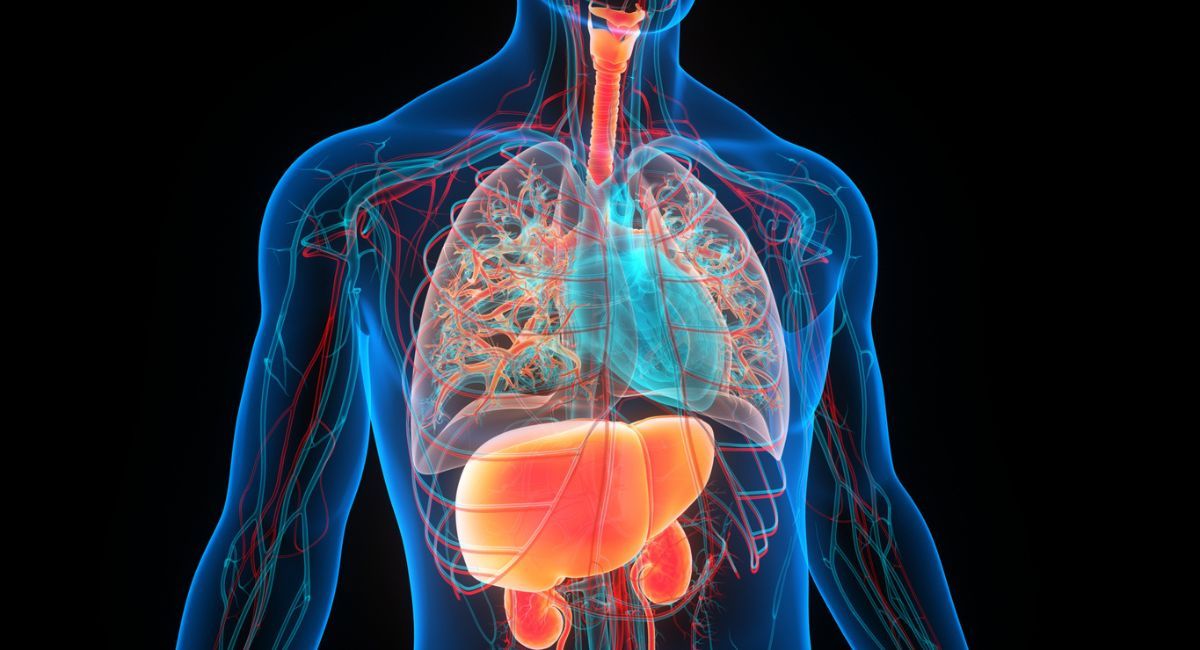
Toxic heavy metals are all around us, says Dr Leigh Erin Connealy. Discover where they’re most likely to lurk and how to reduce your exposure while supporting your body’s natural detox processes
Since the dawn of civilization, heavy metals have been known to be toxic and, as such, have often been used for nefarious purposes. Hippocrates, the ancient Greek “father of medicine,” wrote about arsenic as a lethal poison. Tasteless and odorless, arsenic became a popular weapon for historical figures such as Emperor Nero and Pope Alexander VI to dispose of their enemies and gain power.
Hippocrates also made early correlations between metal miners and lead poisoning. Once common in paint and other household products, lead remains embedded in the environment even though it has been banned or restricted from industrial use due to its toxicity.
During the 18th and 19th centuries, the phrase mad as a hatter stemmed from the bizarre and erratic behavior observed among felt-hat makers, who were chronically exposed to mercury while shaping animal pelts with mercuric nitrate.
In Japan, from the early to mid-1950s through the late ’60s, the Chisso Corporation dumped millions of gallons of wastewater contaminated with methylmercury into Minamata Bay. Thousands of residents fell ill, and many died or suffered long-term neurological and physical side effects after consuming seafood loaded with mercury.
On the other side of the world, an environmental disaster occurred in Hinkley, California. Between 1952 and 1966, Pacific Gas and Electric (PG&E) ran a natural gas pumping station and used toxic hexavalent chromium as a rust-prevention agent in its pipes. The toxin seeped into the groundwater, and residents reported subsequent respiratory issues, chronic nosebleeds, aching joints and cancer.
Thanks to the determination and spunk of the now-famous environmental activist Erin Brockovich, the truth was uncovered and the mega-corporation was brought to task. In 1996, PG&E settled for $333 million in the largest direct-action lawsuit of the time. But the damage had been done. Hinkley remains a ghost town, and the chromium contamination continues to haunt the area.
Heavy metals and their negative health effects are on the radar of most integrative practitioners. Earlier this year, at the American College for Advancement in Medicine’s annual conference, several lectures discussed the problems they cause.
Measures are being taken to find safe alternatives and reduce human exposure; however, many of these metals are still used in industries that touch every part of our lives, from agricultural and industrial applications to pharmaceuticals and technology.
Below are some of the most dangerous heavy metals. While their sources are often well known, they can also lurk in places that would surprise you.
Lead (Pb). Soil, food, water and air are some of the most common ways lead gets into the human body. These are other sources of exposure:
Mercury (Hg). According to the US Environmental Protection Agency, most human exposure to mercury comes from seafood. Large predatory fish, such as tilefish, swordfish, sharks, king mackerel and bigeye tuna, have the highest levels, and most people are advised not to consume them regularly, if at all. Here are some other, lesser-known ways people encounter mercury:
Arsenic (As). Most arsenic exposure and poisoning comes from contaminated groundwater or food grown in arsenic-rich soil. According to the American Cancer Society, the highest-arsenic foods are seafood, rice and rice products, mushrooms, and poultry. But many other foods, including some fruit juices, also contain it.
Per the Cleveland Clinic, “Arsenic enters the air and land from wind-blown dust. It can get into groundwater from runoff and leaching. Inorganic arsenic compounds are highly toxic and have been linked to cancer.”1 These are other ways we get exposed:
Cadmium (Cd). The most common ways the general population is exposed to cadmium are tobacco smoke and cadmium-containing foods, but these are possible routes too:
Chromium (Cr). Chromium is a naturally occurring element in rocks, soil, plants, animals, and volcanic gases and dust. Hexavalent chromium is a toxic byproduct of industrial processes. Health issues can occur when chromium is inhaled, ingested through eating or drinking, or absorbed through skin. These are some potential exposure sources:
Aluminum (Al). While aluminum is a light metal scientifically, not a heavy metal, it’s another toxic metal that needs to be on your radar. The most abundant metal in Earth’s crust, it’s widely found in these substances:
If you have a sweet tooth, you’ve likely been told that dark chocolate can be a satisfying and healthful way to curb cravings. But if you eat it every day, you might be getting a serving of heavy metals along with those flavanols and antioxidants.
In an eight-year study, researchers tested 72 dark chocolate products for lead, cadmium and arsenic. Alarmingly, 43 percent exceeded California Proposition 65 limits for lead, and 35 percent exceeded limits for cadmium. No arsenic was detected. Surprisingly, products labeled organic fared worse.2
Proposition 65 is a California law that requires companies to report and warn consumers if their products contain ingredients linked to reproductive harm or cancer. They are stricter than federal guidelines, which is better in my opinion. The real problem with heavy metals is that they accumulate in the body, which can lead to health issues over time.
The EU has more stringent cadmium limits for dark chocolate than the US. But it’s best to choose brands that get their products independently tested, regardless of where you live.
Tattoo and permanent makeup inks are another sneaky way toxic heavy metals enter the body. A 2025 study examined 41 of these inks following the enforcement of stricter EU regulations in 2022. It found “a substantial share of inks remains non-compliant and may pose carcinogenic and non-carcinogenic health risks.”3
I’ve long recommended avoiding tattoos. Besides increasing the heavy metal burden, they disrupt and block the natural flow of energy (qi) throughout the body.
Many heavy metals play a role in cancer risk. The International Agency for Research on Cancer, a subsidiary of the World Health Organization, has classified these metals into categories.
Group 1. These metals are known to cause cancer in humans. They include arsenic, cadmium, hexavalent chromium, beryllium and nickel compounds.
Studies suggest exposure to arsenic increases the risk of lung, bladder, skin, liver and prostate cancer. Cadmium has been linked to lung, prostate and kidney cancer. Lung and stomach cancer are both associated with chromium exposure. Nickel compounds have been shown to increase the risk of lung and sinus cancers, and beryllium has been tied to lung cancer.4
There’s no need to worry about trivalent chromium, which is in food and dietary supplements and is required for proper protein, fat and carbohydrate metabolism.5
Group 2A. These are classified as “probably carcinogenic” and include inorganic lead compounds such as lead oxide and lead nitrate, which have been linked to lung and stomach cancers.6
Group 2B. The “possibly carcinogenic” category includes methylmercury (the organic form of mercury), lead, cobalt, and metallic nickel and nickel alloys. These metals may well be carcinogenic, but researchers can’t say for sure that exposure to a single metal on this list caused cancer. That’s because significant human or animal studies are unavailable or because, in occupational settings, workers handled, inhaled or were otherwise exposed to multiple heavy metals, making it impossible to pinpoint a single cause.
Traditional testing for heavy metals typically involves blood, urine or fecal analysis, which can be useful for determining acute poisoning or recent environmental or occupational exposure. To understand exposure over time, integrative medicine practitioners often use hair tissue mineral analysis, which can reveal exposure from the last 90 days or so.
Another option is a provoked (or provocative) urine test, which uses a chelating agent to extract metals from tissues into the urine. This test measures the total body burden rather than simply the circulating metals.
Another innovative way to assess heavy metal burden is OligoScan (oligoscan.fr), a fast, painless scan of the palm using certified spectrometer technology. It can instantly detect toxic heavy metals, identify mineral and trace-element deficiencies or excesses, and measure oxidative stress levels. A customized, comprehensive assessment is available immediately so your healthcare provider can factor in lab results, nutrition and other lifestyle approaches to tailor your detoxification protocols.
I believe everyone can benefit from ongoing, regular detoxification practices. In the recently updated second edition of my book The Cancer Revolution, I devoted an entire chapter to detoxing because we live in what I call “the great poisoning.” Being proactive about removing toxins that can lead to chronic degenerative diseases is not only a good idea—it’s imperative.
The primary toxin removal channels are the bowels, blood, kidneys, skin, lungs, liver and lymphatic system. The following detox strategies use these channels to help expel toxic substances from our bodies.
Lymphatic drainage. The lymphatic system is the body’s “other” circulatory system. Where blood delivers oxygen and nutrients systemically, the lymphatic system removes toxins and cellular waste from the body.
Here are three of the best ways to stimulate lymphatic drainage:
Infrared sauna. Sauna therapy is so important for detoxification and overall health that I use it several times a week and recommend everyone do the same.
The skin is the body’s largest detoxification organ, and raising body temperature and sweating are excellent ways to eliminate toxic substances, including heavy metals, quickly and safely. If you have the option, choose infrared saunas, which operate at cooler temperatures with a greater energy output.
Detox baths. A hot nightly bath works similarly to a sauna, warming the body, increasing circulation and promoting sweating. Add 2 cups of Epsom salt or magnesium flakes, 1 cup of baking soda, and ¼ cup of detoxifying clay to increase effectiveness.
Epsom salt contains magnesium and sulfate, which flush out toxins and keep enzyme reactions balanced. Baking soda contains sodium and bicarbonate ions. This combination works by oxygenating and alkalizing the body while helping to remove toxins.
Using a product like Enviromedica’s Magnetic Clay Bath, which contains detoxifying minerals, can also help.
Supplements. A handful of nutritional supplements latch onto toxic substances and carry them out of the body via the urine. Two well-known and widely used supplements are chlorella and zeolite.
Chlorella brands and formulations vary widely, so it’s best to check with your physician about specific doses.
The zeolite products I often recommend are ZeoCharge (one scoop daily) or ACZ Nano Extra Strength (six sprays by mouth twice per day).
EDTA chelation. EDTA chelation is the heavy hitter in heavy metal detoxification therapies. If an OligoScan or a provocative urine sample reveals elevated heavy metal levels in our patients, chelation is often prescribed. EDTA (ethylene-diamine-tetra-acetic acid) is a synthetic amino acid related to vinegar that binds particularly well to heavy metals such as lead.
Oral EDTA is available; however, intravenous (IV) EDTA chelation is the preferred and most effective therapy. It must be administered by a well-versed practitioner, and you can find one in your area by visiting acam.org or ifm.org.
In today’s toxic world, it’s more important than ever to avoid heavy metals whenever you can to mitigate potential damage. It also makes sense to add detoxification treatments to your daily and weekly routines.
If you suspect any unexplained symptoms may be related to heavy metal burden, talk to your healthcare provider about testing and treatment. Knowledge is power.
The mitochondria are the tiny “energy factories” in your cells. Healthy, well-functioning mitochondria are necessary for every cellular process and vital to good health.
The Krebs cycle is the process your cells use to turn nutrients from food into ATP, the energy molecule. Your body relies on a carefully coordinated mix of enzymes and nutrients to keep this cycle working properly. Heavy metals can disrupt the process in several ways:
By interfering with the Krebs cycle, mitochondrial function and other cellular energy pathways, heavy metal toxicity may contribute to decreased energy and widespread cellular dysfunction. Research has also linked heavy metal exposure and mitochondrial dysfunction with cognitive and neurological changes, immune system dysregulation, cardiovascular concerns, endocrine disruption and other adverse health effects.
What do you think? Start a conversation over on the... WDDTY Community

Great news! Discounts are available based on your cart total. Check the details below: