Could lingering spike proteins from Covid or Covid vaccines be harming your health? Dr Leigh Erin Connealy thinks so and reveals the tests and treatments she recommends to help blunt the effects
Novel coronavirus, Covid-19, coronavirus, SARS-CoV-2, “the ’rona” . . . there were a lot of names and nicknames tossed around in the early days of the pandemic. People sometimes confuse coronavirus disease 2019 (Covid-19) with severe acute respiratory syndrome coronavirus 2 (SARS-CoV-2); however, SARS-CoV-2 is the virus, while Covid-19 is the infectious disease a person develops after exposure.
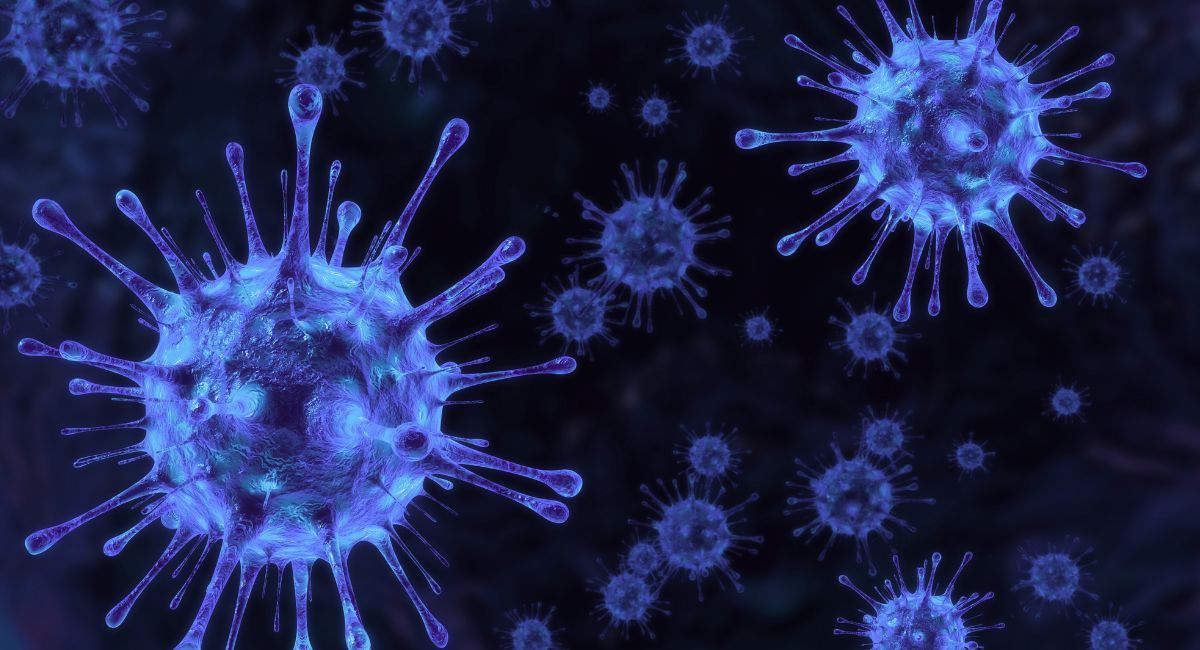
Whichever name you know it by, the image of that little sphere covered in tiny, sharp protrusions has been burned into our minds forever. The ball, the virus itself, coated in “spikes,” was called “coronavirus” after the Latin word for “crown.”
These viral spikes allow the virus to adhere to host cells and initiate infection like a burr stubbornly attaching itself to a pantleg after a hike through the brush. Once a virus is anchored in place and has entered the cell, the spike protein’s primary role is complete. The virus itself takes over, replicating new viral proteins and altering the cellular environment.
In typical Covid-19 infections, viral proteins—including spike proteins—are present during the acute illness and perhaps for a few weeks following. Then the immune system clears out the foreign invaders and returns the body to homeostasis, or balance. However, problems begin to occur when these spike proteins remain in bodily systems months or even years later.
I’m not alone in suspecting that the reason we’re seeing an uptick in these ever-present spike proteins may be the creation of messenger RNA (mRNA) vaccines designed to protect against recurrent Covid infections.
Covid-19 took the entire world by storm. The sweeping nature of the global pandemic prompted the rapid development of mRNA vaccines.
Administered under “emergency use authorization,” these vaccines used specialized mRNA technology with genetic instructions enclosed in lipid nanoparticles (tiny, fat-based particles). Once injected, the mRNA instructed certain cells to temporarily produce the SARS-CoV-2 spike protein, training the immune system to recognize it and generate antibodies and T cell responses that were supposed to protect against future infection.
However, the story doesn’t end there. I believe persistent spike protein—whether after SARS-CoV-2 infection or vaccination—likely contributes to chronic inflammation and a wide range of serious health concerns. While this remains an area of ongoing scientific debate, I have seen enough in my clinical experience to take these concerns seriously.
The World Health Organization keeps a running tally of reported Covid-19 cases that is updated monthly. At the time this article was written, more than 779 million cases across 240 countries had been recorded worldwide.1 With new infections occurring daily and ongoing booster vaccinations being recommended across the globe, the problems are compounding.
Research continues to highlight the dangers of residual spike proteins, and the fact that these proteins are present in the body far longer than they should be is troubling. One study published in 2022 discovered SARS-CoV-2 proteins in patients up to 15 months post-Covid infection.2
Another case study outlines the plight of a 55-year-old gentleman who had received three doses of the Pfizer vaccine and began experiencing serious side effects shortly thereafter. The patient endured countless hospital and emergency room visits with myocarditis, blood clots in his lungs, neurocognitive impairment, muscle pain, digestive problems, skin rashes and hearing loss. He even had trouble speaking and swallowing.
Researchers noted it was the longest time that the spike protein had been found to persist after vaccination, over three and a half years.3 This calls into question the body’s ability to clear spike proteins on its own.
So, why are these enduring spike proteins a problem? It’s more than a little daunting to do a deep dive into the serious health problems they’ve been linked to.
One chief area of concern is heart problems. Cardiologist Peter A. McCullough, MD, one of the pioneering physicians in spike protein research, has been very vocal, spreading the word regarding the link between serious heart issues and elevated spike protein levels in the body.
In May 2025, a US Senate committee held a pivotal hearing about how health officials had downplayed and hidden adverse events associated with the Covid-19 vaccines. In Dr McCullough’s testimony, he stated that he’s “deeply concerned about a much larger subclinical myopericarditis problem manifested by chest pain, palpitations, blood pressure instability and heart rhythm problems which persist for months to years after the shots.
“When small patches of vaccine heart inflammation occur,” he explained, “it can be silent, leading to presentation with abnormal heart rhythms, cardiac arrest or heart failure.”4
And, while critical, heart problems are just the tip of the iceberg. According to a growing body of physicians, researchers and scientists studying chronic inflammatory illnesses, the effects of persistent spike proteins extend well beyond the cardiovascular system. Because spike proteins can interact with numerous cell types throughout the body, we must examine their role in a variety of other serious health conditions.
Systemic inflammation. The constant onslaught on the immune system is believed to be one of the primary mechanisms by which spike proteins may contribute to disease. Rather than remaining confined to a single organ, chronic inflammation can affect nearly every system in the body, contributing to fatigue, brain fog, joint pain, hormonal imbalance and accelerated aging, to name a few.
Blood clots and vascular damage. Spike proteins have been shown in laboratory and clinical studies to interact with endothelial cells lining blood vessels. Endothelial dysfunction may contribute to abnormal clotting, impaired circulation, reduced oxygen delivery and damage to tissues throughout the body.5
Cellular and mitochondrial dysfunction. Emerging research suggests spike proteins impair normal mitochondrial function and increase oxidative stress. Because mitochondria generate the energy needed for virtually every cellular function, compromised mitochondrial health may explain the persistent fatigue, exercise intolerance, muscle weakness and cognitive symptoms reported by some patients.6
Autoimmune conditions. SARS-CoV-2 proteins, including spike protein, are being investigated for their potential to contribute to autoimmunity through prolonged immune activation, autoantibody production and molecular mimicry.7 In this scenario, the immune system mistakenly attacks healthy tissues. While research in this area is ongoing, physicians who treat complex chronic illnesses have reported seeing autoimmune flares following Covid-19 infections and mRNA vaccinations.
Neurological effects. Another area receiving growing attention is the nervous system. Researchers are studying whether persistent spike proteins or chronic brain inflammation contribute to symptoms such as brain fog, headaches, dizziness, peripheral neuropathy, memory problems, sleep disturbances and mood changes.8 Although the exact mechanism remains under investigation, these neurological symptoms are commonly reported by patients with long Covid.
As a doctor who treats cancer, I’m particularly concerned with the potential link between mRNA vaccines and cancer development or recurrence.
In June 2026, Angus Dalgleish, MD, a renowned immunologist and oncologist with over three decades of experience in cancer immunotherapy, gave disarming testimony to the same US Senate committee as Dr McCullough.9 He shared the outcomes he had begun seeing in his own patients who received mRNA booster vaccines as early as 2021.
Melanoma patients who’d been in remission for three to 18 years were relapsing, and the common thread was repeated vaccines. He quickly realized that the boosters were affecting T cell function and contributing to immune dysregulation in vulnerable individuals. It wasn’t long before he noticed the relapses and cancers were targeting more than those vulnerable individuals.
In his testimony, he stated, “I began observing something far more alarming: unusually aggressive cancers, advanced-stage disease in younger individuals and clinical presentations that differed sharply from what we would normally expect in routine oncology practice. Something broader—and far more concerning—appeared to be emerging.
“In my own clinical practice, I observed a marked increase in unexpected cancers among boosted patients, including breast, prostate, pancreatic, lymphoma, gallbladder, glioma and bladder cancers.”
As emerging literature continued to call into question the vaccines, their mechanisms and their safety profiles, researchers and clinicians like Dr Dalgleish became hesitant to voice their concerns. Questioning or challenging the status quo was not only looked down on but largely ignored.
If governments, legislators and conventional medicine aren’t willing to look further into these potential damages, it’s time to take matters into our own hands.
Laboratories across Europe and the United States have recognized the need for accurate semi-quantitative SARS-CoV-2 IgG antibody tests that measure spike protein antibodies. Production of these antibodies indicates the presence of spike proteins post-infection or after vaccination(s).
Reputable companies that offer these tests include Roche Diagnostics, Abbott Laboratories, Labcorp, and Quest Diagnostics. See below for some guidelines on antibody levels to help determine your risk and whether treatment is warranted.
If your levels are cause for concern, there’s plenty you can do to protect and enhance your health.
Besides speaking out about the dangers of spike proteins, Dr McCullough created “Base Spike Detoxification” protocols, which we have adapted, modified and regularly prescribed to patients at my clinic. The following measures can go a long way toward mitigating damage and preventing problematic health issues linked to elevated spike protein levels.
Sauna therapy. If your levels are moderate or high, enhancing the immune system and eliminating spike proteins from your system should be your priority. One of my favorite ways to detoxify is to rev up body temperature and sweat, and the most effective way to do this is regular infrared sauna therapy.
Because the skin is the body’s largest detoxification organ, sweating toxins out is extremely effective. Sauna therapy eliminates harmful substances in addition to spike proteins, including pesticides, plastics, drug residues, heavy metals and acidic waste.
Using sauna therapy several times a week boosts circulation, oxygenates tissues, speeds up the elimination of metabolic waste, and improves heart and lung function. It also helps decrease inflammatory markers, such as C-reactive protein (CRP), another benefit when it comes to damage caused by spike proteins.
I recommend using infrared sauna because you can achieve better results and lower temperatures than in a regular hot-air sauna. Infrared sauna is safer and more comfortable. I use it myself and recommend patients do it at least three times per week, if feasible.
Supplements. If I could rely on only a handful of supplements to detoxify from spike proteins, they would be nattokinase, curcumin, bromelain and an augmented form of NAC.
Nattokinase, an enzyme found in the Japanese fermented soybean food natto and in supplement form, has been shown in multiple studies to break down blood clots associated with long Covid and mRNA vaccines and to have a degradative effect on spike proteins.10
Nattokinase may be contraindicated in individuals using blood-thinning drugs such as warfarin or aspirin.
Suggested dosage: 8,000–16,000 FU (fibrin units) per day, but work closely with your physician to determine the safe and appropriate dose for you.
Curcumin is one of the most potent anti-inflammatory substances on the planet. In addition to calming systemic inflammation, it reduces cellular oxidative stress and appears to inhibit spike protein receptors.11
Suggested dosage: 500 mg twice a day for standard supplements, or 2–3 drops twice daily of liquid Mycell curcumin (PH Curcumin, available at PerfectlyHealthy.com).
Bromelain, an enzyme derived from pineapple, plays multiple roles in spike protein detoxification. It aids in protein breakdown and is a powerful anti-inflammatory agent that also helps to control immune system responses triggered by spike proteins.12 What’s more, it enhances the absorption and efficacy of curcumin and nattokinase, making it an excellent addition to the protocol.
Suggested dosage: 500 mg per day
N-acetylcysteine (NAC) is a precursor to glutathione, the body’s premier antioxidant, known for battling inflammation and scavenging free radicals. Augmented NAC offers enhanced absorption, improved stability and targeted spike protein degradation, making it ideal for this protocol.13
Quality augmented NAC products are made using Italian technology and manufacturing processes. Several brands are available online.
Suggested dosage: 200 mg twice a day, before or with meals
Other therapies. For both long Covid and vaccine injury, hyperbaric oxygen therapy (HBOT) and fasting may also be beneficial.14 Each offers substantial health benefits outside of spike protein detoxification and may be warranted depending on your specific goals and needs.
It is imperative that you work closely with a healthcare practitioner who is well versed in the dangers of spike proteins and willing to help you create a targeted regimen to heal. We would love to have you visit our Centers in California, or you can search for a provider closer to home via the American College for Advancement in Medicine (acam.org) or the Institute for Functional Medicine (ifm.org).
Lingering spike proteins are not a harbinger of ill health and disease if you proactively rid them from your body, support your immune system and take care of your health moving forward. As is often the case, your well-being and vitality are largely within your control.
A SARS-CoV-2 IgG antibody test is a blood test that looks for immunoglobulin G antibodies your immune system has produced in response to the Covid virus or vaccinations. These antibodies suggest the presence of spike proteins in your body.
Cardiologist Dr Peter McCullough offers the following guide for interpreting spike protein antibody levels, measured in units per milliliter (U/mL).1
The most accurate test results will be obtained at least two to three weeks after symptom onset, exposure to disease or vaccination. If you currently have a fever or other Covid-19 symptoms, wait to test until you are fever-free without medication and all symptoms resolve.
What do you think? Start a conversation over on the... WDDTY Community

Great news! Discounts are available based on your cart total. Check the details below: