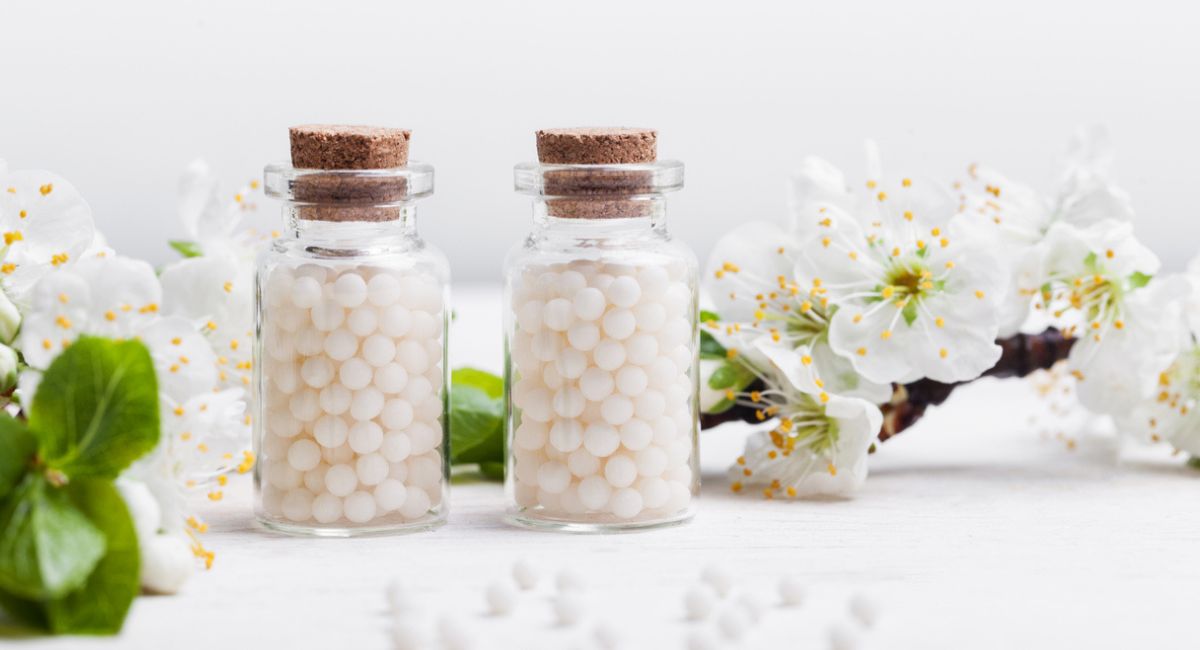
Homeopathy combined with the right diet and lifestyle changes can work wonders for gout, says homeopath David Needleman
A condition I’m often asked about is gout, a type of inflammatory arthritis caused by the buildup of uric acid crystals in and around the joints.
The big toe is the most common site (we’ve all seen those period dramas when the head of the household has a red, inflamed big toe raised on a stool and blames it on too much port). But gout can also affect the fingers, wrists, knees and other joints.
Gout attacks are usually treated with a nonsteroidal anti-inflammatory (NSAID) drug like ibuprofen. Colchicine and allopurinol are also commonly prescribed for gout.
Colchicine is typically used first to tackle the pain and inflammation. Then allopurinol—used to prevent or lower high uric acid levels in the blood—may be prescribed for more long-term treatment.
But if you, like my clients, would prefer a drug-free solution, homeopathy combined with the right diet and lifestyle changes can be an excellent option.
As gout is a chronic situation, it always requires constitutional treatment to reduce the frequency and intensity of attacks. This involves a full in-depth consultation to determine the correct constitutional remedy.
However, gout attacks (also called flares—sudden, intense episodes of pain, swelling, tenderness and redness) also respond well to the right acute remedies (see below for what I mean by constitutional and acute remedies).
I therefore recommend a three-pronged regime for gout: constitutional homeopathic treatment, diet and lifestyle changes, and acute homeopathic remedies as needed. In my experience, this treatment approach can significantly alleviate the symptoms.
Here are the key remedies I prescribe for dealing with gout, for both immediate and more long-term treatment. They’re widely available from homeopathic pharmacies but work best alongside a constitutional remedy, which you can get by consulting with a homeopath.
Colchicum. Almost 100 years ago, homeopaths were treating the acute symptoms of gout successfully with Colchicum. One of the Materia Medicae published in 1927 notes that Colchicum “affects markedly the muscular tissues, and synovial membranes of joints. Has specific power of relieving the gouty paroxysms. It seems to be more beneficial in chronic affections of these parts.”
Today Colchicum is the main homeopathic remedy for gout. It’s used at the first onset of symptoms or for a flare-up of old symptoms.
I usually prescribe it in a 30C potency and give it three times a day until either symptoms are gone or the pain and/or swelling is significantly reduced.
Benzoic Acid. For longer-term treatment, I often prescribe another homeopathic remedy called Benzoic Acid. This is best in 30C potency and can be given daily or twice a day for long periods if required.
Benzoic Acid is known for having a marked action on metabolism, symptoms of high uric acid and “gouty symptoms.”
Galium Aparine. Recently I’ve also been prescribing Galium Aparine to support the kidneys, which play an important role in filtering uric acid from the blood and excreting it in the urine. I usually suggest 6X or 12X potencies taken twice a day (morning and evening) for some time.
You may have heard homeopaths talk about acute and chronic illnesses, or acute and constitutional remedies, but what do these terms mean?
Acute illnesses are a little bit like a thunderstorm; they arrive quickly with high intensity, and then they’re gone (although sometimes they can lead to chronic conditions). These short-lived illnesses include chicken pox, tummy bugs, coughs, colds and flus.
They usually respond quickly to an acute remedy—one that considers the current symptoms and focuses on providing immediate relief. This type of remedy tends to be given frequently in a 30C or 200C potency until the symptoms resolve.
Chronic conditions, on the other hand, such as eczema, asthma and rheumatoid arthritis, are best treated with constitutional remedies.
Constitutional prescribing requires a more intense evaluation of the patient and their symptoms, taking into account every detail of their individual heath experience. It may include a family history, likes and dislikes of food and drink, sleep patterns and energy patterns.
Happily, in my experience a lot of chronic problems are resolvable with homeopathic remedies, which may need to be changed over time.
I prefer higher potencies (1M or 10M, which are 1,000C or 10,000C). These are usually given less frequently than acute remedies but act on a deeper level and are more subtle.
Here are a few simple steps you can take to help prevent and treat gout.
Pass up purines. Certain foods are known to play a role in gout because they are high in purines—chemicals that the body converts to uric acid. These foods include organ meats, shellfish, anchovies and sardines.
A diet high in these foods can lead to uric acid buildup in the blood, which in turn leads to the formation of crystals in a joint. These sharp crystals cause the pain and inflammation characteristic of gout. Switching to a purine-free diet can significantly reduce uric acid levels in just a few days.1
Avoid alcohol and sugar. Alcohol, especially beer, is high in purines and raises the risk of gout.2 Also watch out for sugary soft drinks and even fruits and fruit juices (rich in fructose).3
Drink plenty of water. Water dilutes uric acid levels in the blood, so drinking six to eight glasses a day may help.
Eat cherries. Eating cherries—half a pound to a pound a day—is a traditional remedy for gout and even has some evidence to back it up. US researchers found that patients with gout who ate cherries over a two-day period had a 35 percent lower risk of attacks than those who didn’t.4
Watch your weight. Being overweight increases the risk of gout, and losing weight can reduce uric acid levels and gout attacks.5 If you need to lose weight, make sure you do so safely.
What do you think? Start a conversation over on the... WDDTY Community

Great news! Discounts are available based on your cart total. Check the details below: