In the market for some top-quality matcha? Joanna Evans shares some quick tips on what to look for plus a selection of premium products to try
Drinking Japanese matcha, a type of powdered green tea made from the leaves of the Camellia sinensis plant, is an excellent way to add a little “good stress” to your life, as Jeff Krasno explains in “Why Eating Stressed Plants is Good for Your Health.”
Matcha tea plants are grown in the shade, which stresses them and activates survival mechanisms that boost production of biologically active compounds such as theanine, chlorophyll and catechins like epigallocatechin gallate (ECGC). These antioxidant compounds, especially ECGC with its anticancer, anti-inflammatory, antiviral and brain-boosting properties, can have big benefits for humans when we consume them.1
But with so many matcha products out there, how do you pick one with high quality?
If you’re looking for great-tasting, top-grade matcha with maximum health benefits, here’s a quick guide to buying matcha—plus how to judge it once you’ve bought it.
Purity. Check the ingredients list to make sure it’s just 100 percent pure matcha. What you don’t want to see is added fillers, anti-caking agents, sugars, sweeteners or colorings.
Grade. Matcha comes in different grades. Ceremonial matcha is considered the highest quality, and culinary matcha, typically used in cooking and baking, the lowest.
Origin. Although matcha originated in China, the general consensus is that the best matcha comes from Japan, where there are strict farming and processing techniques for matcha production. According to the Japanese food labeling standard, matcha must be made from the Camellia sinensis plant, grown in the shade, steamed and dried without being rolled, and ground into a fine powder.
Organic. If you don’t want a mouthful of pesticides along with your matcha, go for organic varieties. Look for organic certification on the product label.
Testing. Is the product tested, ideally by a third party, to ensure it’s free of harmful contaminants like heavy metals and pesticides? If it’s not clear from the company’s website, get in touch with them to check.
Packaging. Make sure your matcha is packaged in an airtight, light-proof container to protect it from the elements.
Price. Watch out for overly cheap matcha as it may not be the real deal.
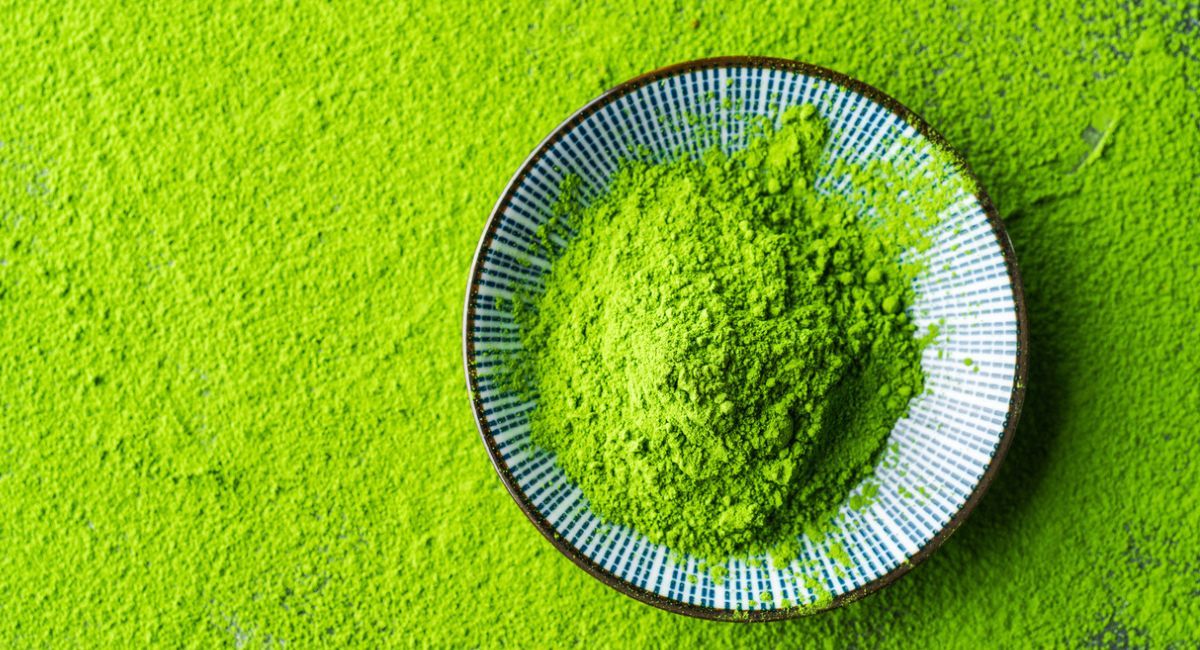
Color. A vibrant green powder is a good indicator of quality. Lower qualities tend to have a more yellowish or brownish hue.
Texture. High-grade matcha has an incredibly fine, smooth, powdery texture. It will dissolve easily in hot water and create a frothy, velvety finish when whisked. Gritty, grainy matcha can be a sign of lower quality.
Taste. High-quality matcha will have a subtle, sweet, vegetal taste with little to no bitterness.
To save you the hard work, we’ve scanned the virtual shelves for some top-tier matcha products available to buy in the US and UK. All are ceremonial grade, certified organic and lab-tested for purity and safety.
Matchaful
Kiwami Single Cultivar Matcha, $39.00/£35.99 (1 oz / 30 g)
US: matchaful.com; UK: healf.com
All Matchaful matcha is certified organic and undergoes extensive third-party testing for radiation, heavy metals, and over 700 pesticides and herbicides. Kiwami is Matchaful’s highest-grade matcha, crafted from hand-picked tea leaves of a single cultivar, sustainably grown in the hills of Shizuoka, Japan, and shaded by solar panels. It’s also stone-ground to order in small batches for optimal freshness.
Perfect Ted
Uji Matcha Powder, $11.00/£9.95 (1 oz / 30 g)
perfectted.com
International shipping available
This single-origin, ceremonial-grade matcha is made from shade-grown, hand-picked, air-dried, stone-ground and non-GMO green tea leaves from farms on the foothills of Uji, Japan—a region famous for its top-quality matcha. It’s tested for radiation and heavy metals and certified organic by Japanese Agricultural Standards (JAS).
Soar Organics
Uji Ceremonial Matcha, $32.99 (1 oz / 30 g)
soarorganics.com
US shipping only
This first-harvest matcha, made by meticulously stone-grinding only the youngest shade-grown leaves picked in spring, is grown in renowned Uji, Japan, and certified organic by the USDA and Canada Organic. Like Soar Organics’ other matcha offerings, this matcha is third-party tested for radiation, heavy metals, pesticides and other contaminants, and certificates of analysis are readily available to view on the company’s website.
OMGTea
Organic Matcha AAA+ $47.00/£34.95 (1 oz / 30 g)
omgteas.co.uk
International shipping available
Sourced from Japan’s Kagoshima prefecture, this premium matcha is made exclusively with leaves from the top of the plant and first harvest, then ground using a traditional granite stone mill. It’s certified organic with Organic Farmers and Growers (OF&G), tested for heavy metals and radiation to ensure safety, and has received a 3-Star Great Taste Award.
What do you think? Start a conversation over on the... WDDTY Community

Great news! Discounts are available based on your cart total. Check the details below: