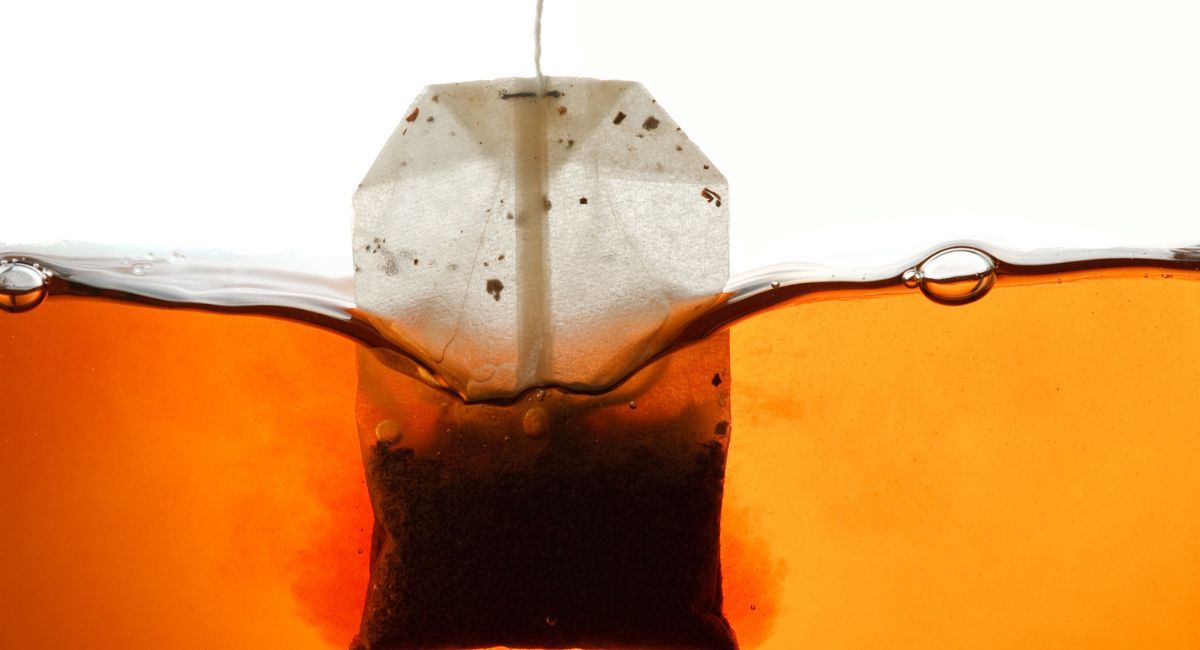
You don’t need to filter water when you drink tea—the teabag is doing it for you.
The teabag absorbs heavy metals such as lead and cadmium that are in the water, providing a natural filter. Heavy metal ions stick to the tea leaves in the bag, and they stay there until it’s taken out once you’ve finished brewing.
Researchers from Northwestern University tested the way different types of tea, loose tea, tea bags and brewing methods absorbed heavy metals in the water. The natural leaves didn’t change the level of metals—but the teabags did, and cellulose bags worked best of all. Cotton and nylon bags absorbed only small amounts of metals.
Cellulose bags are also healthier: cellulose is fiber that the body can handle, while nylon bags release microplastics, the researchers say.
Cellulose is also the better option because it has a larger surface area than other types of teabags, which means it has more areas to which the irons can bind, says researcher Vinayak Dravid.
Aside from using cellulose bags, the other key is a long brewing time. The longer the tea steeps, the more irons are absorbed. Steeping for just a few seconds will have almost no effect on iron levels, and so a brew time of a few minutes is better. Steeping tea overnight for ice tea could eliminate almost all irons from the water.
Brewing tea from between three to five minutes can remove around 15 percent of lead in the water, the researchers say.
What do you think? Start a conversation over on the... WDDTY Community
ACS Food Science & Technology, 2025; doi: 10.1021/acsfoodscitech.4c01030

Great news! Discounts are available based on your cart total. Check the details below: