“Let the drug do the work” is the first principle of conventional medicine
Now to the quick-fire round: What makes people overweight and obese? Answer: eating sugary junk food? Correct!
So, how do you lose weight? Answer: Er, stop eating sugary junk food? Wrong! You start taking the weight loss drug Wegovy (semaglutide).
Sorry, you don’t walk away with tonight’s Star Prize, but you do get to keep the $10 cash award. That’s all you win for failing to understand the fundamental tenet of modern medicine: You don’t have to do anything because there’s a drug to do it for you.
Have high glucose levels? Take an antidiabetic medication. LDL cholesterol going off the charts? Pop a statin. Feeling depressed? Try an antidepressant. But whatever you do, don’t do anything.
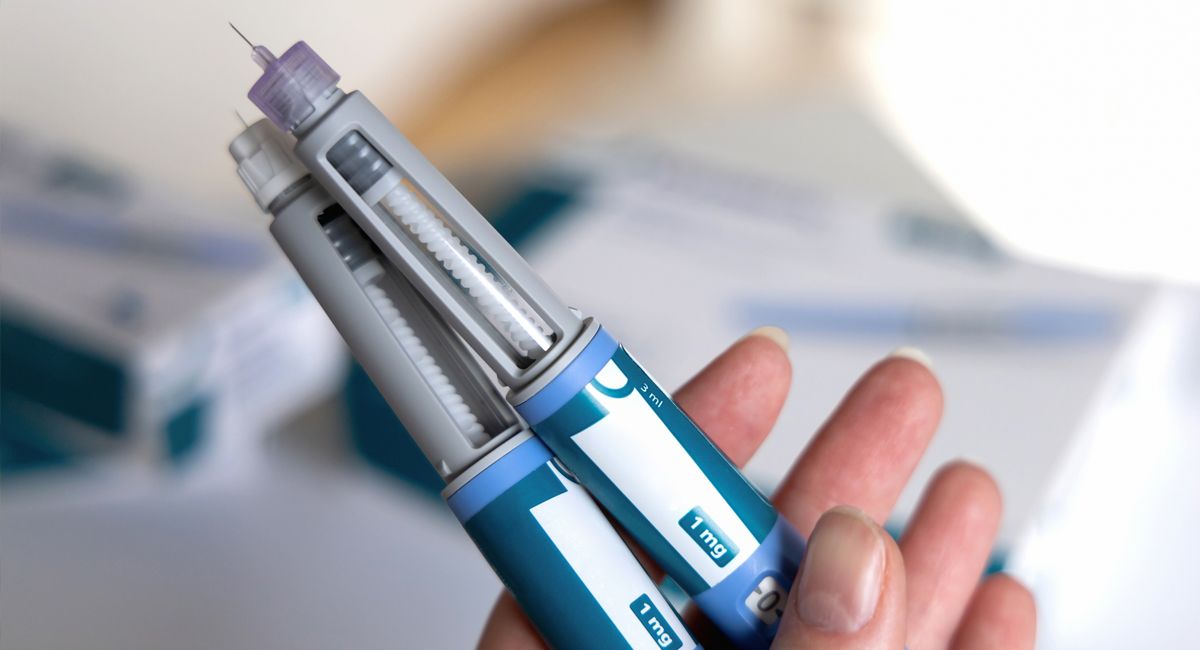
The shining example is Wegovy—and its sister drug Ozempic—which has become a global phenomenon even though four injectable pens (a one-month supply) cost Americans around $1,349. The price is a considerably more affordable £269 in the UK.
Enthused advocates have taken to social media to track their “Wegovy journey” for their millions of followers. Not that there’s too much traveling going on as the journey involves just taking your latest injection, and presto, the weight comes off!
Well, a little bit anyway; the average weight loss after a year is around 15 percent of body weight. None of that silly dieting or denying yourself your favorite burger or pizza—in other words, do nothing.
But there’s no such thing as a free lunch, even if you’re still eating the same one. Nearly half of Wegovy users give up after just a year because the typical side effects of nausea and vomiting are a little too debilitating.
When they come off the drug, they put the weight back on again. That suggests they fully embraced the do-nothing principle and carried on eating junk food before, during and after taking Wegovy.
And the drug has caused some major social changes, as The Economist has reported.1
Gym membership numbers have been falling as people give up on exercising to lose weight (that’s Wegovy’s job).
Sales of diet books have dropped as people stop eating healthily or even reading about it (who needs it when you have Wegovy?).
The market value of WW, formerly Weight Watchers, has crashed by more than 90 percent since 2021, when Wegovy was approved as a weight-loss drug in the US (we can live without social shame when Wegovy’s in the driver’s seat).
Trainers at local gyms are seeing attendance levels drop by half, especially among clients who are taking Wegovy. Those who do still attend often throw up halfway through a workout from severe nausea.
Instead, trainers are hoping to pivot and start teaching more about diet so that the drugs aren’t needed—but that doesn’t jibe with the do-nothing principle.
The publishing industry has witnessed a 15 percent drop in sales of diet, exercise and weight-loss books in a year; sales peaked at 10 million in the year to last June, the lowest in a decade. It, too, is hoping to pivot and plans to start publishing books that explain the biological processes behind type 2 diabetes and the body’s management of blood sugar—but who cares when you have Wegovy?
These problems are not shared by Novo Nordisk, the Danish manufacturer of the drug. Sales are anticipated to reach around $6 billion this year, although this is slightly below original expectations, and that could in part be down to the high fail rate and side effects among users.
But what about that rare group that decides to do something and change their diet? A study of around 1.1 million members of Slimming World revealed that typical weight loss over a year was around 14 percent of body weight—which happens to be around the same success rate as Wegovy’s.2
“New members are astonished by the results in their first week as they can’t believe they’ve been able to lose so much weight by making simple, easy changes to how they shop, cook and eat,” explained Dr Sarah-Elizabeth Bennett, Slimming World’s senior research associate.
It’s not doing a lot, but it’s doing something. And that beats doing nothing—despite what the drug industry likes to tell you.
What do you think? Start a conversation over on the... WDDTY Community

Great news! Discounts are available based on your cart total. Check the details below: