A high-protein diet has become the go-to for people looking to build muscle and lose weight—but it could be a short-term strategy.
Eating less protein could improve our metabolic health and even help us live longer, a new review has suggested.
There’s a time and place for eating more protein, but it could be doing more harm than good if we’re not exercising and instead we live a mainly sedentary life, says a research team from the University of Wisconsin-Madison.
They’ve reviewed more than 350 studies and have concluded that reducing protein may help slow biological aging, improve metabolism, and even help us live longer, and it’s all to do with the way our body uses energy, reacts to nutrients, and protects cells.
It’s not about eating less, just less protein, the researchers say. People who eat less protein can lose weight, decrease body fat, and improve fasting blood sugar levels—and they can do this even when they are eating more food overall.
Their suggestions fly in the face of recent health advice. Studies that found a high-protein diet helped people lose weight while preserving muscle mass encouraged US health agencies to change their recommendations this year, advising people to consume 1.2-1.6 grams per kilogram of body weight (0.5-0.7 grams per pound) every day, which represents nearly twice the previous recommended amount.
But there’s protein and there’s protein, the researchers say, and it could be more about the amino acids in the protein. Amino acids are the building blocks the body uses to produce proteins, which are essential for maintaining muscles, repairing tissues, and carrying out countless cellular functions.
The researchers say there are three amino acids that appear especially important: methionine, isoleucine, and valine, but you can have too much of a good thing. Excessive consumption of these amino acids can stimulate biological pathways that encourage growth. That’s good in the immediate term, but longer term they may contribute to obesity, inflammation, and other conditions associated with aging.
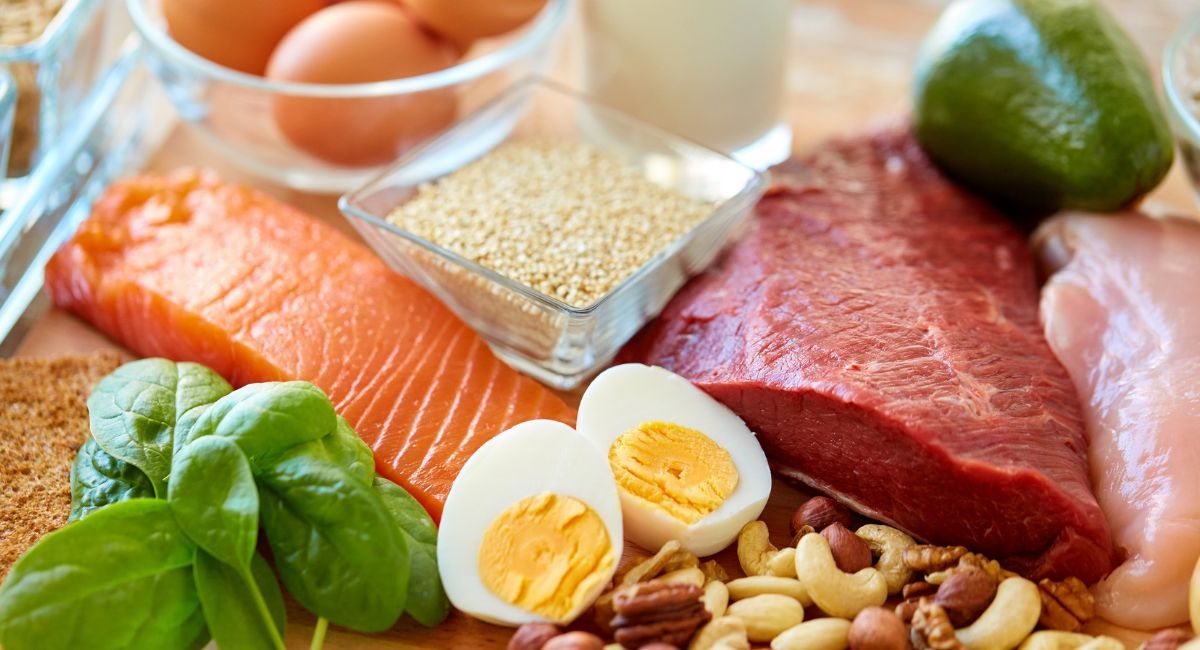
These amino acids are in complete protein sources, such as meat, fish and dairy, and in soy, whole grains and nuts.
And while they’re vital for our wellbeing, perhaps cutting back on them a little may be a good longterm strategy, and that could especially be important if we live mainly sedentary lives, the researchers say.
What do you think? Start a conversation over on the... WDDTY Community

Great news! Discounts are available based on your cart total. Check the details below: