The ‘wonder drug’ for Alzheimer’s disease probably isn’t.
Lecanemab has just been approved by the UK’s drug regulator the Medicine and Healthcare products Regulatory Authority (MHRA), and it was given the green light in the US last year.
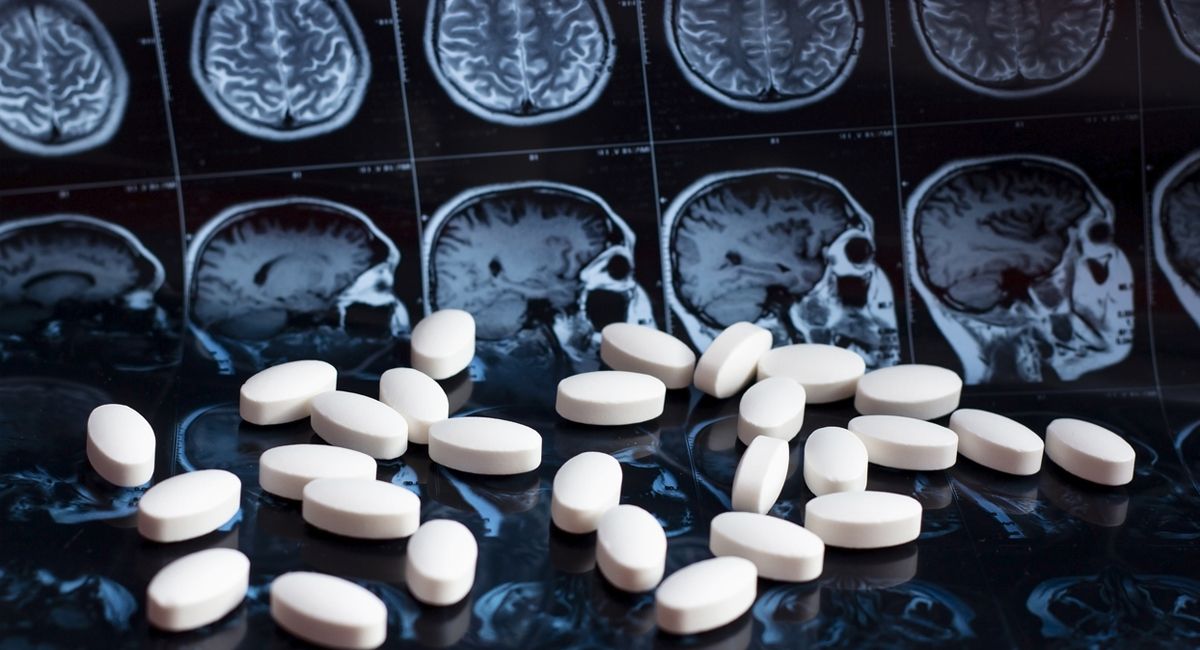
Advocates claim the drug spells “the beginning of the end” for Alzheimer’s, with one study suggesting it slowed cognitive decline by as much as 27 percent. It reduced levels of the amyloid protein in the brains of people with early-stage Alzheimer’s.
But despite getting approval, the drug—marketed as Leqembi—won’t be for everyone; at an annual cost of £20,000, the drug will be available only to private patients, and it’s one of the worst value-for-money therapies out there, argues Patrick Holford, founder of the Alzheimer’s prevention charity, Food for the Brain.
In the drug company’s own trial, cognitive decline was slightly reduced in those taking the drug against those given the placebo, but it failed to reverse the problem, and nobody got better. “The scale of the improvement was not enough to be clinically significant,” said Mr Holford. The BMJ, which published the study, said the result “does not necessarily reflect a meaningful improvement for patients.”
Lecanemab also comes with a host of adverse reactions. In the study, a quarter of patients either developed brain swelling or bleeding, and three participants died as a result. Researchers also noted accelerated brain shrinkage.
The European drug agencies also have their doubts. The European Medicines Agency has refused to grant approval because of concerns over brain swelling and bleeding.
There’s a simple, and inexpensive, remedy for those worried about Alzheimer’s, says Mr Holford: the B vitamins have achieved considerable clinical improvements, especially in people with raised homocysteine levels, which affects around half of everyone over the age of 65.
After a year, a third had no clinical dementia, says Mr Holford. Omega-3 fish oils can also help those with low homocysteine and reasonable B levels and have achieved results up to three times better than lecanemab.
What do you think? Start a conversation over on the... WDDTY Community
Daily Telegraph, August 22, 2024; foodforthebrain.org

Great news! Discounts are available based on your cart total. Check the details below: