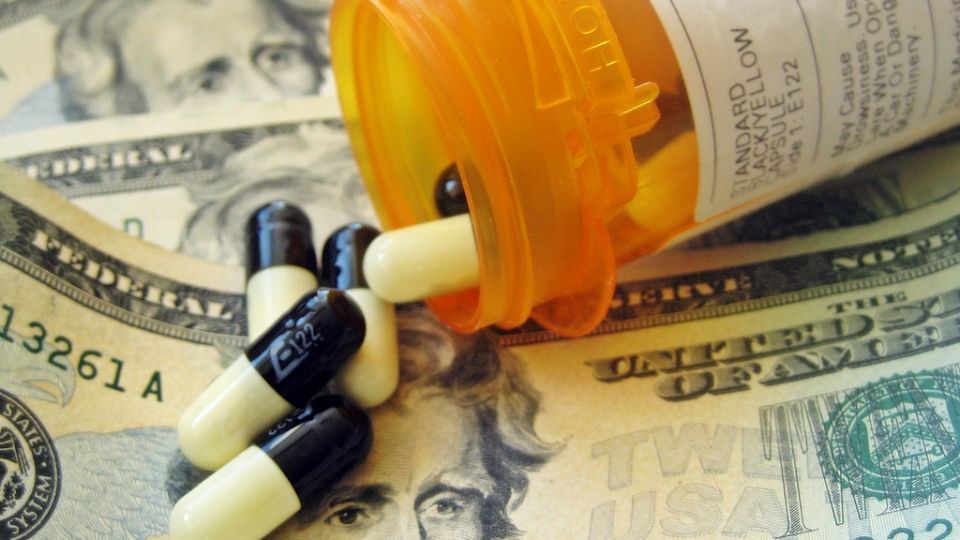
With so much money at stake, fraud in medicine-and especially in drug trials-is rampant. Estimates of the extent of fraudulent drug trials published in prestigious medical journals have varied from 75 per cent to 90 per cent.
Recently, impossible things have been ‘discovered’ in medical trials about cholesterol-lowering statins. One infamous analysis even suggested that the drugs didn’t have any side effects, which is an insult to the many hundreds of thousands who have suffered while on the drugs, often from muscle weakness.
Medical writer Dr James Le Fanu says this is yet another example of a drug trial result that is too good to be true. Side effects are almost exactly mirrored by the same effects in the placebo group, who are taking a dummy pill. In other words, these effects are all in the head-and not in the statin-and, as such, are imagined by the patient.
Serious reactions by those taking rosuvastatin, for example, have been observed in 15 per cent of users, and similar reactions have been seen in 15.5 per cent of those taking a placebo. For those taking simvastatin, around six per cent suffered a bad reaction, while 6 per cent on the placebo experienced something similar.
Too good to be true, asks Dr Le Fanu? Or could it be because all of the trials happened to be sponsored by the drug company concerned.
(Source: Daily Telegraph, July 7, 2014).
What do you think? Start a conversation over on the... WDDTY Community

Great news! Discounts are available based on your cart total. Check the details below: