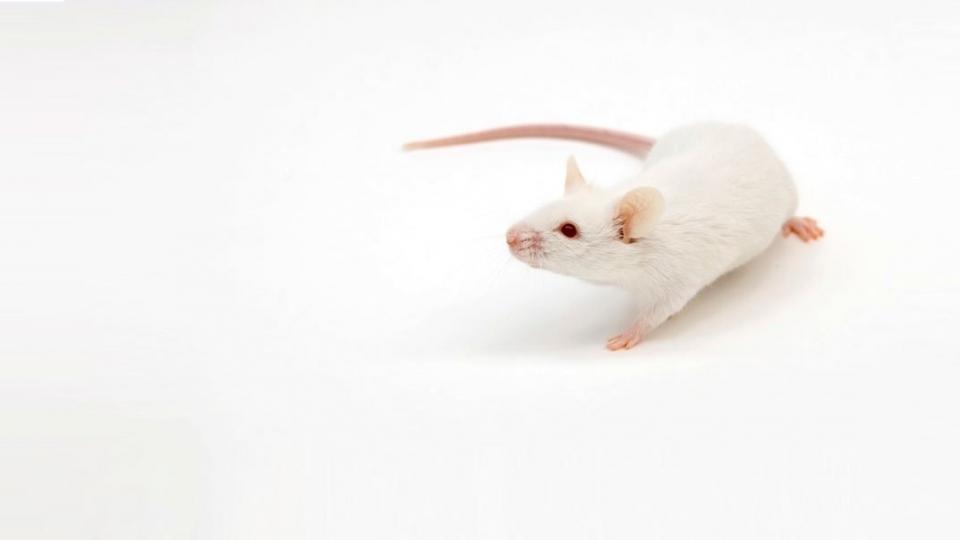
Anti-diabetes drugs, for instance, are often successful in early tests on the mice, but could even encourage the disease in humans, researchers at King’s College London have discovered.
This is because the mice have receptors in their cells that promote the production of insulin, and these are missing in human biology. “A drug developed to stimulate or inhibit a particular receptor which, in mice, can lead to increased insulin production might have no effect on humans, or even could cause unbeneficial and diabetes-like symptoms,” said researcher Stefan Amisten.
There’s not only enormous differences between humans and the mice, but even between the two types of mice that have been routinely used in medical research for more than a century.
The discovery poses an enormous challenge to drug companies that look for early signs of effectiveness and safety in animal tests. It also explains why researchers rarely achieve similar results when testing a new chemical on human cell lines. “This is well known, and a source of great frustration for researchers and the pharmaceutical industry. Is it then right to continue to develop drugs based on research conducted on mice when these drugs cannot be used on humans?” asked Albert Salehi, another researcher.
(Source: Scientific Reports, 2017; 7: 46600)
What do you think? Start a conversation over on the... WDDTY Community

Great news! Discounts are available based on your cart total. Check the details below: