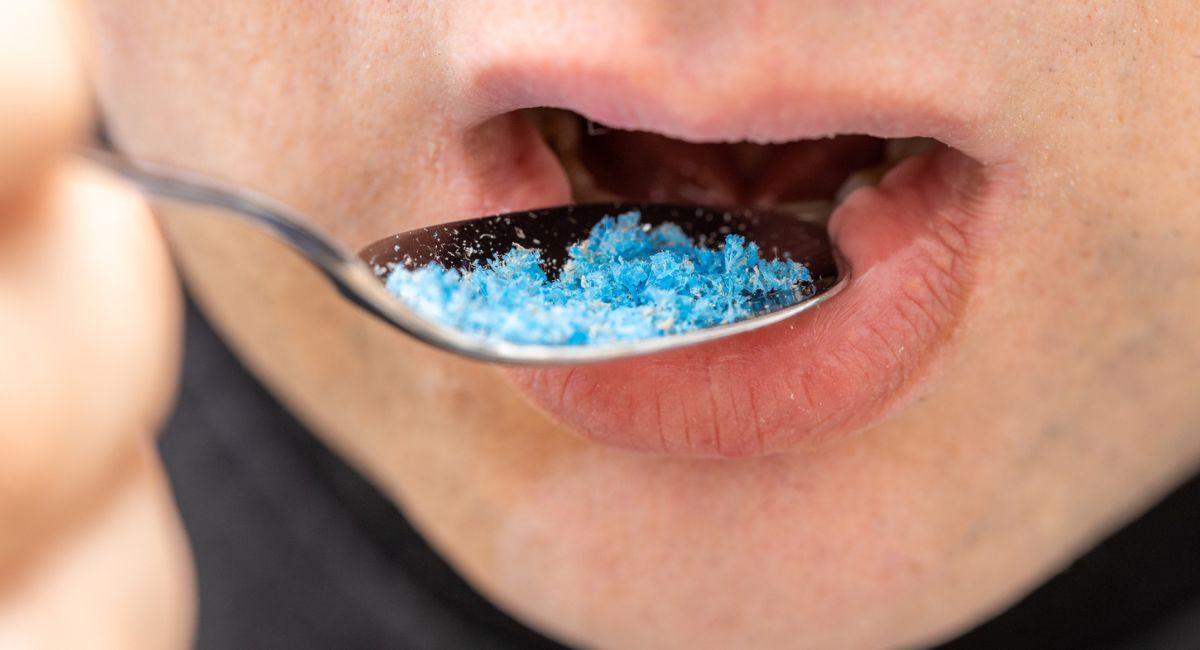
Microplastics—the tiny particles from our clothing, packaging and plastic products—are in the fish we eat. But, come to that, they’re in bottled water, beer, meat and veggie burgers.
What we put out into the environment ends up back on our plates, says Summer Traylor at Portland State University who has analysed the level of microplastics in fish.
Previous studies have shown high levels in shellfish, but Traylor wanted to widen the net to include the fish that people in Oregon regularly eat, such as black rockfish, lingcod, Chinook salmon, Pacific herring and pink shrimp.
They found 1,806 microplastic samples in 180 of the 182 fish samples they examined; pink shrimp had the highest concentration, and the smallest amounts were found in salmon, black rockfish and lingcod.
The maxim could be that the smaller the fish, the higher the concentration of microplastics, possibly because they are ingesting smaller food sources such as plankton that could have high levels.
What to do? Buy larger fish, rinse it thoroughly when you get home—the researchers found that washing the fish did remove some microplastics—and think about the plastics you dump in the environment, because you could be eating them one day.
What do you think? Start a conversation over on the... WDDTY Community
Frontiers in Toxicology, 2024: 6; doi: 10.3389/ftox.2024.1469995


Great news! Discounts are available based on your cart total. Check the details below:


