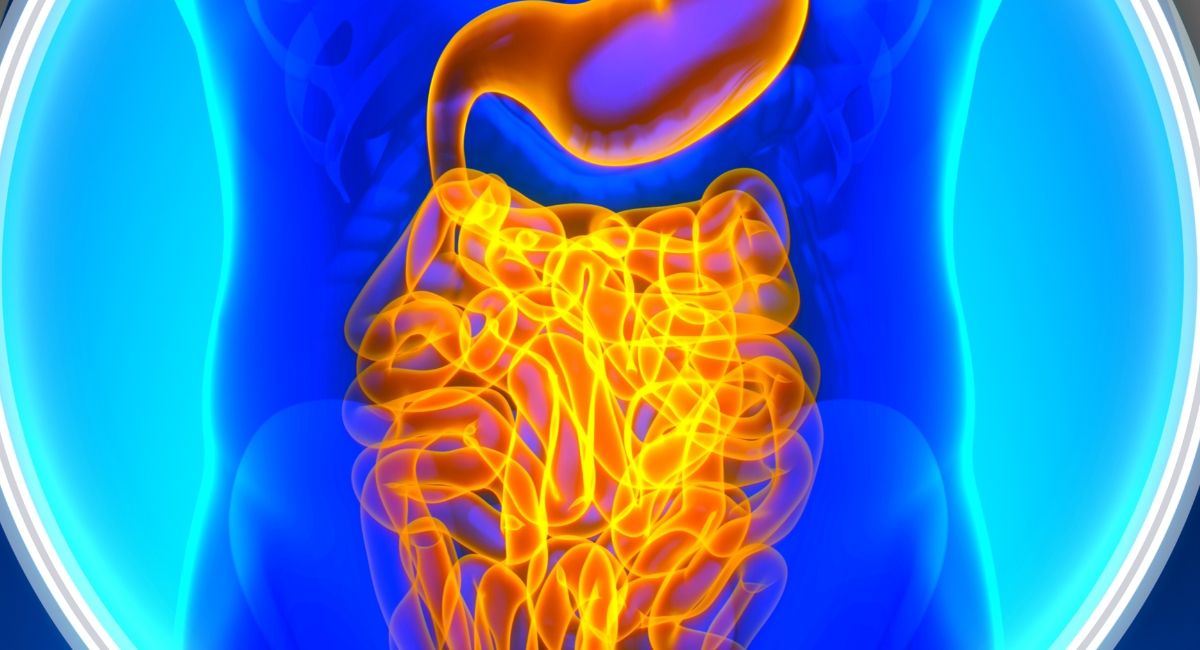
If you suffer from chronic gut problems such as IBS (irritable bowel syndrome), the problem may have nothing to do with your diet—but everything to do with your childhood, especially if you suffered abuse and trauma.
Early trauma can disrupt the gut-brain connection, which manifests as pain, constipation, and IBS when you’re older, say researchers from New York University.
They investigated early life stress using mouse models and compared the results against two large studies involving children. In the animal study, newborn mice were separated from their mothers for several hours each day to simulate early stress. When examined months later, the mice showed increased anxiety-like behaviour, gut pain, and problems with gut movement. The type of motility issue differed by sex, with females suffering from diarrhea and males from constipation.
Similar results have been seen in major human studies, One, which followed more than 40,000 children in Denmark from birth to age 15, found that half were born to mothers who experienced untreated depression during or after pregnancy, and were far more likely to develop digestive problems, including nausea and vomiting, functional constipation, colic, and IBS. The same was seen in children whose mothers took antidepressants during pregnancy.
A second study, which analysed data from nearly 12,000 children in the US, discovered that adverse childhood experiences (ACEs) such as abuse, neglect, and parental mental health challenges, raise the risk of gastro-intestinal problems by the time the child had reached the age of 10.
“When patients come in with gut problems, we shouldn’t just be asking them if they are stressed right now; what happened in your childhood is also a really important question and something we need to consider,” said Kara Margolis, one of the researchers.
What do you think? Start a conversation over on the... WDDTY Community

Great news! Discounts are available based on your cart total. Check the details below: