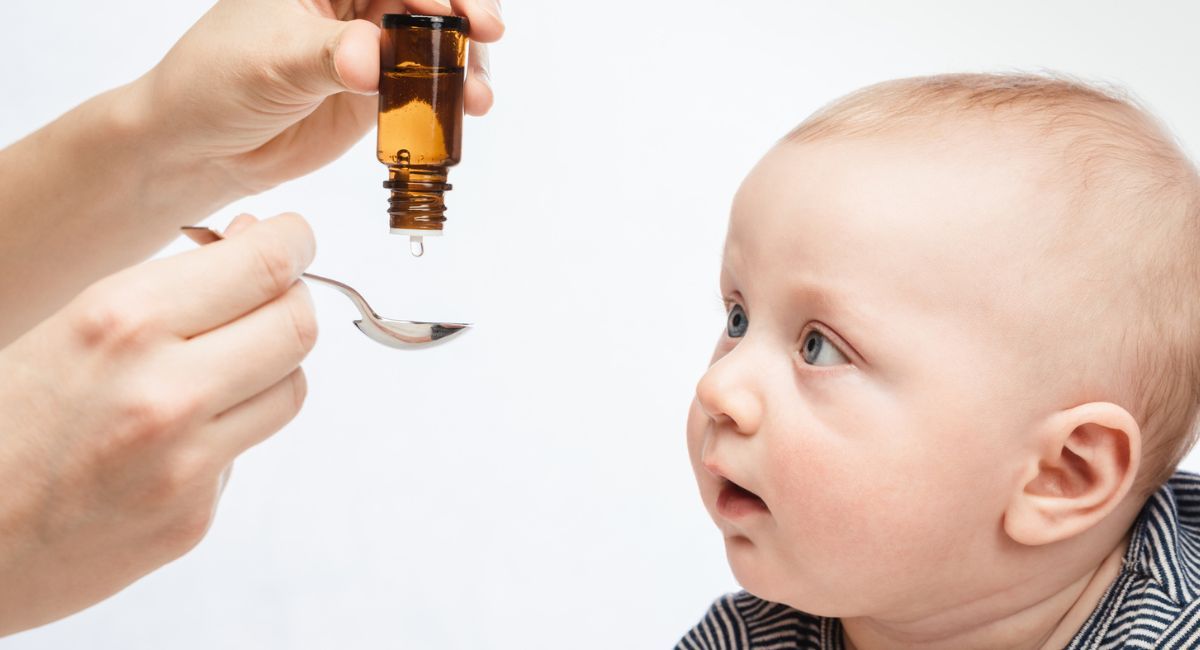
Babies who are given antibiotics in the first year of life are much more likely to develop type 1 diabetes, when the body can’t break down sugars in the blood.
During the first year, insulin-producing cells are created in the gut, but this vital process can be disrupted by antibiotics, raising the risk of diabetes.
Although it’s already known that type 1 diabetes has its roots in childhood, researchers hadn’t worked out the biological mechanisms that caused it. But now a research team from the University of Colorado at Boulder suspect antibiotics could be playing a key role.
They identified key microbes that are essential for the pancreas’s ability to produce insulin, and discovered there is a critical window, usually in the first year of life, when there is a surge in the number of beta cells that help the body create insulin. “”If, for whatever reason, this is interfered with, that can be a cause of diabetes,” said Jennifer Hill, one of the researchers.
Her research team tested the idea on a group of laboratory mice who were given broad-spectrum antibiotics in a phase in their life that was equivalent to the first seven to 12 months in human life. The mice developed fewer insulin producing cells, had higher blood sugar levels, lower insulin levels and generally worse metabolic function when they grew into adult mice.
What do you think? Start a conversation over on the... WDDTY Community
Science, 2025; 387 (6738); doi: 10.1126/science.adn0953

Great news! Discounts are available based on your cart total. Check the details below: