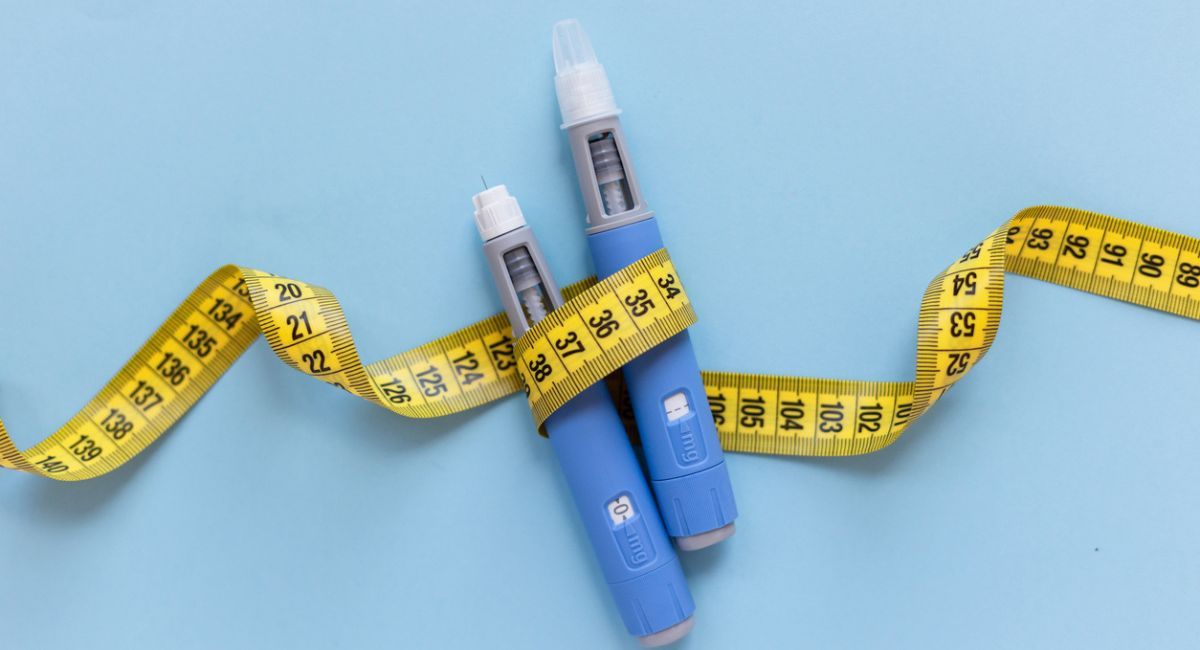
The weight-loss jabs are not a long-term solution to the obesity epidemic, says Bryan Hubbard
In a sketch by American comedian Bob Newhart, he plays a psychiatrist. The patient explains that she has constant thoughts of being buried alive and asks what she should do. “Just stop it,” Newhart retorts.
The routine comes to mind with the news about the two main weight-loss drugs—Eli Lilly’s Zepbound (tirzepatide) and Novo Nordisk’s Wegovy (semaglutide)—slugging it out for dominance of the multibillion-dollar slimming market.
Eli Lilly paid for the research and declared itself the winner with a drug reducing body weight by around 20 percent compared to a meager 14 percent among the Wegovy group.1 Its prize could be the lion’s share of the weight-loss drugs market anticipated to tip the scales at $150 billion by 2030.
The study observed around 750 obese people who were given one of the two drugs for 72 weeks—a good place to stop as pretty much all the weight loss on either drug is achieved in the first 60 weeks of treatment. After that, the weight plateaus and even starts to rise again.
And that’s the first problem with the drugs. Their effects don’t last even though their manufacturers argue they are drugs for life. At $1,350 a month in the US and around £260 in the UK, they would say that.
What they might not mention are the adverse reactions. These pharmaceuticals have led to more entries in the US’s Adverse Event Reporting System than any other. Around 20,000 “serious” reactions have been logged among people taking Wegovy, including septic shock, gastrointestinal blocks, pancreatitis, pancreatic cancer, blood clots in the lungs, anorexia, suicide, and episodes of psychosis and depression.
Add Eli Lilly’s Zepbound to the mix and the picture gets even darker, with around 40,000 serious events reported.
Blindness is another problem with the drugs. American doctors who tracked more than 37 million people said the injections put users at a higher risk of nonarteritic anterior ischemic optic neuropathy (NAION).
The condition, also known as an “eye stroke,” occurs when the vessels supplying blood to the optic nerve become blocked, depriving it of oxygen. The result is damage to all or part of the nerve.2
Then there’s death. Susan McGowan, 58, of Lanarkshire, suffered multiple organ failure, septic shock and pancreatitis after taking Mounjaro (tirzepatide), as Zepbound is branded when it’s used to treat type 2 diabetes. She took low doses of the jabs for just two weeks before her death.3
And then there are the lawsuits, oh my! New York attorney Robert King was, in November 2024, representing more than 400 clients who are preparing claims against Eli Lilly or Novo Nordisk. The most common complaints were serious gut problems and blood clots, and one or two instances of people losing their sight.
In a monumental understatement, Mr King commented, “I don’t think anyone would agree to potential blindness. You know, that’s a major life event that no one would ever suspect is related to a weight loss issue.”4
But 42 percent of US adults over the age of 20 are obese—that’s around 100 million Americans—and something has to be done. Wegovy and its ilk are one answer: The injections imitate the hormone GLP-1 (glucagon-like peptide-1) to slow digestion, lower blood glucose and control hunger.
Yes, it’s an answer, but weight loss on the drugs is relatively modest. Much the same could be achieved by following a sensible way of eating, such as a low-glycemic diet, which categorizes foods by the speed at which their sugars are metabolized.
And that’s the real problem. More than 60 percent of the typical Western diet is made up of fast-release sugary foods. They’re called “fast foods” for a reason, it seems. And they’re highly addictive, training the brain to crave another sugar boost.
Ultimately, a fast-food diet is a lifestyle choice—but the drugs aren’t. They’re too expensive, any weight loss is achieved in the first 14 months or so, and the risks are frighteningly high.
At some point, we must heed Bob Newhart’s advice: When it comes to choosing fast foods, one day we have to just stop it.
What do you think? Start a conversation over on the... WDDTY Community
1. New Eng J Med, 2025; doi: 10.1056/NEJMoa2416394
2. JAMA Ophthalmol, 2025; 143(4): 304–314
3. Chris Matthews, “First Mounjaro Death in the UK: Nurse's Death Is Directly Linked to NHS-Approved Weight Loss Jab After 58-Year-Old Fell Ill Taking Two Low-Dose Injections,” Nov 8, 2024, dailymail.co.uk
4. Maiya Focht, “Americans Left Blind, Paralyzed and with Teeth Falling Out After Ozempic - Now They're Suing for Millions,” Nov 7, 2024, dailymail.co.uk

Great news! Discounts are available based on your cart total. Check the details below: