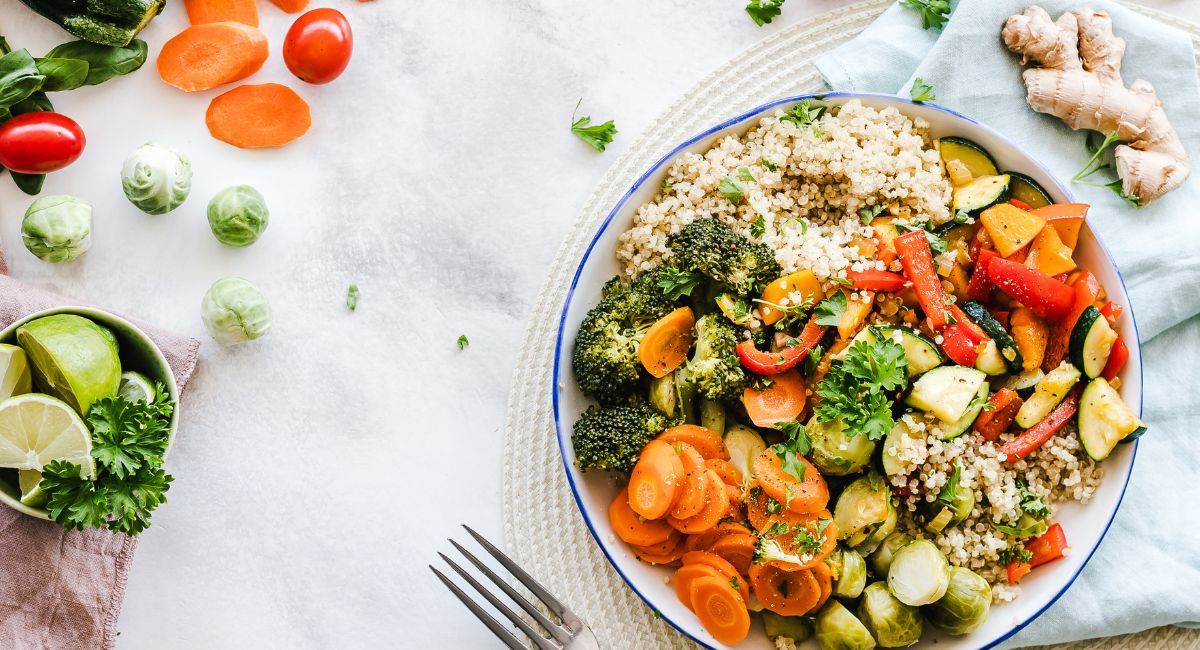
What you eat can play a huge role in your chances of getting cancer, says Dr Leigh Erin Connealy. Here’s her guide to the top protective foods, what to avoid and simple swaps that make a real difference
Most people have heard the saying “You are what you eat.” But a more accurate statement might be “Your health depends on how you eat,” especially for cancer prevention. While it’s difficult to pinpoint an exact number, large-scale research suggests 30–50 percent of cancer cases are influenced by modifiable factors—chief among them, the foods we consume.
Nutrition can be confusing, a fact that marketing campaigns, internet ads and a chorus of wellness professionals alike capitalize on. It used to surprise me that my social media posts on food are often my most-viewed content. But it makes sense: People are hungry for authoritative guidance on how to eat to stay healthy and prevent disease.
Let’s dive deep into protective nutrition: the anticancer foods everyone should prioritize, dietary patterns that support lifelong wellness, and the foods and habits we should do our best to avoid.
For cancer and disease prevention, focus on real food. Eat like our hunter-gatherer ancestors: If you can catch it, grow it or forage it, it’s fair game.
One pro tip? At the grocery store, shop the perimeter. There you’ll find all your produce, protein and fresh healthy fare.
Let’s take a closer look at the green-light items that offer the most health benefits and protection. Fill your plate with these daily.
Cruciferous vegetables
Cruciferous vegetables, including broccoli, cauliflower, brussels sprouts, cabbage, kale, watercress and arugula, should be foundational to any cancer-protective eating plan. They’re rich in sulfur compounds such as sulforaphane and indole-3-carbinol, which have been widely studied for supporting detoxification, hormonal balance and cellular defense mechanisms.
A unique benefit of cruciferous vegetables is their ability to support healthy estrogen metabolism. This is particularly important for hormone-sensitive cancers, such as those in the breast, ovaries and prostate. Compounds in these vegetables help the body process and eliminate excess or potentially harmful estrogen metabolites while activating detoxification enzymes that protect cells from oxidative damage.
Cruciferous vegetables are also powerful anti-inflammatory and immune system-supporting foods, helping the body identify and eliminate abnormal cells before they proliferate. Regular consumption reduces the risk of lung, colon and breast cancers in large population studies.
Prepare these veggies by lightly steaming them. Overcooking can diminish their protective compounds.
Deeply pigmented plant foods
For fruits and vegetables, the more vibrant and deeply pigmented the produce, the more protective compounds it tends to contain. These compounds help neutralize free radicals, reduce oxidative stress and calm chronic inflammation that can fuel cellular damage and promote cancer development.
But they don’t work in isolation. They support the body’s natural detoxification pathways, help protect DNA from damage, and facilitate healthy communication between cells. Nutrition plans rich in colorful plant foods are consistently linked to lower cancer rates, particularly those of the digestive tract, breast and prostate, in large population studies.
Try to “eat the rainbow,” with special emphasis on the deeper hues.
Blue and purple foods, such as blueberries, blackberries, red cabbage, eggplant and beets, are especially high in anthocyanins, which are linked to antioxidant and anti-inflammatory effects.
Red foods, including tomatoes, pomegranates, raspberries and red peppers, provide lycopene and ellagic acid, compounds associated with cellular protection.
Deep green vegetables like kale, spinach, broccoli and arugula deliver chlorophyll, vitamin B9 (folate) and sulfur compounds that support detoxification and immune health.
Whenever possible, choose organic and consume these foods in a variety of forms (raw, lightly cooked, blended or fermented) to maximize nutrient absorption and benefit.
High-quality protein
I often receive questions and a fair amount of pushback about animal protein, particularly red meat. I believe that clean, high-quality, carefully sourced animal proteins play an important role in a protective, anti-inflammatory diet.
Grass-fed, pasture-raised, organic meats free of synthetic growth hormones and routine antibiotics provide essential amino acids, vitamins and minerals that support immune function, tissue repair and overall metabolic health. Other excellent protein options include wild-caught fish, free-range poultry and pasture-raised eggs.
Protein is essential for maintaining muscle mass, supporting detoxification pathways and helping the immune system respond appropriately to stress and disease. Fatty fish and some pasture-raised animal products provide omega-3 fatty acids well known for reducing chronic inflammation and supporting cell wall integrity, another important consideration in cancer prevention.
It’s also important to put the research on red meat into context. The strongest evidence linking meat consumption to cancer risk focuses on processed meats, such as hot dogs, sausages, bacon and cured deli meats, which contain preservatives and compounds known to promote inflammation.
One additional consideration is how they’re prepared. Cooking meats at very high temperatures (especially grilling or charring) can produce compounds associated with a higher cancer risk. To reduce exposure, opt for gentler cooking methods with lower temperatures and avoid burning or heavily charring meat, fish or poultry.
Healthy fats
Healthy fats are essential for cellular health. They help maintain cell membrane integrity, regulate inflammation, support hormone balance and enhance nutrient absorption , contributing to metabolic resilience and long-term health. High-quality fats are consistently associated with improved cardiovascular, immune and inflammatory markers, which play an important role in chronic disease prevention.
Many of my patients benefit from a modified ketogenic or lower-carbohydrate dietary approach that emphasizes healthy fats and quality protein while limiting refined carbohydrates and sugars. When used appropriately, these approaches may help stabilize blood sugar, reduce insulin resistance and calm inflammatory pathways.
We focus on minimally processed, thoughtfully sourced fats including organic butter, extra-virgin olive oil, avocado oil, walnut oil and hemp oil. Other fats with emerging therapeutic applications include medium-chain triglyceride (MCT) oils, such as coconut and palm kernel oil, and sustainably sourced Malaysian red palm oil, which contains natural antioxidants and fat-soluble phytonutrients.
Nuts and seeds, including almonds, walnuts, macadamia nuts, cashews, and chia seeds, are also excellent sources of healthy fats. And good whole-food options are avocados, coconut and high-quality organic mayonnaise made with the oils mentioned above.
Allium vegetables and fermented foods
Garlic, onions, leeks and shallots belong to the allium family and are foundational to a protective anticancer food plan. They contain unique organosulfur compounds widely studied for their antioxidant, anti-inflammatory and immune-supportive properties.
Regular consumption of these vegetables is associated with a lower risk of several cancers, particularly those of the digestive tract. It also enhances the body’s natural detoxification enzymes while supporting healthy immune function.
As research continues to highlight the profound influence of the gut microbiome on immune regulation, inflammation and metabolic balance, prebiotic- and probiotic-rich foods have become increasingly important. A diverse and resilient gut microbiome helps regulate immune responses, supports detoxification and may reduce chronic inflammation, all factors in many chronic diseases, including cancer.
Eating fermented foods is one of the most effective ways to support microbial diversity and gut integrity. Sauerkraut, kimchi, unsweetened yogurt, kefir and traditionally fermented vegetables introduce beneficial bacteria that help strengthen the gut lining and improve immune communication throughout the body.
Protective herbs and spices
Many herbs and spices boast powerful anti-inflammatory and anticancer effects. Use healthful herbs and spices daily (see below for some examples) to lend flavor—and protection—to your culinary endeavors.
Telling people they can never eat a certain food feels too restrictive and can make long-term change more difficult. Instead, look for healthier substitutions whenever possible and save “cheat” items for rare and special occasions.
Also, overly rigid diets, chronic fasting, prolonged stress and consistent undereating can contribute to vitamin and mineral deficiencies that undermine health over time. When the body doesn’t get enough calories from high-quality food, it may lack the nutrients it needs to support immune function, detoxification and cellular repair.
That said, most people are surprised to find that when they regularly fill up on nutrient-dense foods, cravings for many of the treats they once felt dependent on naturally fade.
The following are some foods to minimize as much as possible in your diet.
Highly processed seed oils
Seed oils have attracted increasing attention in recent years as researchers continue to examine their role in inflammation and chronic disease. These oils are typically highly refined and processed at very high temperatures, making them high in omega-6 fatty acids and low in protective omega-3s.
When they’re consumed frequently, particularly in ultra-processed foods, this imbalance may promote chronic inflammation and increase the risk of cardiovascular disease, obesity, metabolic dysfunction and other chronic illnesses. These are the toxic nine:
Healthy cooking oils, such as extra-virgin olive oil, coconut oil and avocado oil, are more stable, minimally processed and associated with anti-inflammatory benefits. (See above for additional healthy fat sources.)
Ultra-processed foods
As discussed earlier, ultra-processed foods have little place in a health-supportive dietary plan, particularly for those focused on disease prevention. They’re often nutritionally void, calorie-dense and disruptive to metabolic health, promoting inflammation, insulin resistance and other early drivers of chronic disease.
Be especially mindful of processed meats, snack foods, fast food, convenience items, sweetened beverages, microwaveable meals, artificially sweetened products, highly processed plant-based meat substitutes, and low-fat or flavored foods with long ingredient lists.
Refined sugars and grains
The same goes for empty carbohydrates in foods with refined sugar like high-fructose corn syrup and processed grains like white flour and quick-cooking cereal. Bakery items, sugary cereals, instant oatmeal, pizza, bagels and the like can cause insulin spikes, wreak havoc on metabolic health, lead to weight gain and ultimately contribute to an environment more favorable to cancer growth. Additionally, these foods fill you up, leaving little to no room for healthy, nutrient-dense options.
Foods with additives
Eating for good health and disease prevention means reading labels and knowing what to look out for. The following list of ingredients and additives should be avoided whenever possible.
A great general rule is to look for products that have a short ingredient list of real foods you recognize and can pronounce.
Besides focusing on what you eat, considering how you eat is crucial. Every bite sends a message to our cells either promoting inflammation and dysfunction or supporting resilience, repair and protection.
Intuitive eating invites us to slow down and become attuned to those messages. Rather than following rigid rules or external food plans, this approach encourages eating with awareness, choosing foods that nourish the body and honoring hunger as a biological signal rather than a problem to suppress.
Eating only when we are truly hungry supports the body’s natural metabolic balance, helping regulate blood sugar, insulin and inflammatory pathways—key factors in cancer risk. When we listen to genuine hunger cues, we’re more likely to choose foods that provide steady energy and essential nutrients rather than quick fixes that drive oxidative stress and chronic inflammation. Over time, this helps create an internal environment that is less hospitable to cancer.
Large-scale reviews by the World Cancer Research Fund1 and the American Institute for Cancer Research2 consistently show that dietary patterns supporting metabolic balance, healthy body weight and reduced inflammation lower cancer risk.
Cravings can also reflect the body’s need for specific nutrients that support cellular defense and detoxification. A desire for certain foods may signal a need for antioxidants, anti-inflammatory compounds or amino acids involved in tissue repair and immune function. Responding mindfully to these cues helps reinforce the body’s natural protective systems.
In contrast, eating in response to fatigue, boredom, stress or emotional distress often leads to overconsumption of highly processed foods that disrupt gut health, promote weight gain and increase inflammation. These factors are consistently linked to increased cancer risk.
Learning to pause and ask, “Is this hunger, or is it something else my body needs?” can be life-changing. Using food primarily for fuel while meeting emotional and physical needs in other ways fosters metabolic resilience, immune balance and a healthier cellular environment over time.
Trying to eat 100 percent “right” 100 percent of the time sets you up for failure. I regularly tell my patients that they face thousands of choices each day that can help or harm their health. The best approach to sustainable change is to do your best each time.
If you slip up, don’t beat yourself up. Just make a better choice next time. This rule applies to the foods you eat, the physical activity you engage in, the hours of sleep you log each night and all the other controllable lifestyle factors that can influence health and vitality.
There is a certain sense of empowerment that comes with knowing you have a great deal of control over your health. Wield this power wisely and reap the benefits of a long, fruitful and full life.
Incorporate some of the following into your daily diet to give your meals a healthy boost.
These at-a-glance swaps offer healthier options that will enhance your health, not undermine it.
Sugary beverages → filtered water, mineral water, unsweetened sparkling water, herbal tea (add lemon, cucumber or berries for flavor)
Processed meats → wild-caught fish, pasture-raised poultry, grass-fed meat, plant proteins such as legumes
Packaged chips or crackers → nuts or seeds, hummus with vegetables, sliced avocado with sea salt
Sugary cereals or pastries → eggs with sauteed vegetables, chia pudding with berries and milk or coconut milk
Fast food → a simple homemade bowl with protein, colorful vegetables, healthy fats and whole-food carbohydrates, like sweet potatoes
Salad dressing with seed oil → extra-virgin olive oil with lemon juice, apple cider vinegar or fresh herbs
Packaged desserts and baked goods → fresh berries, dark chocolate (70+ percent cacao)
What do you think? Start a conversation over on the... WDDTY Community

Great news! Discounts are available based on your cart total. Check the details below: