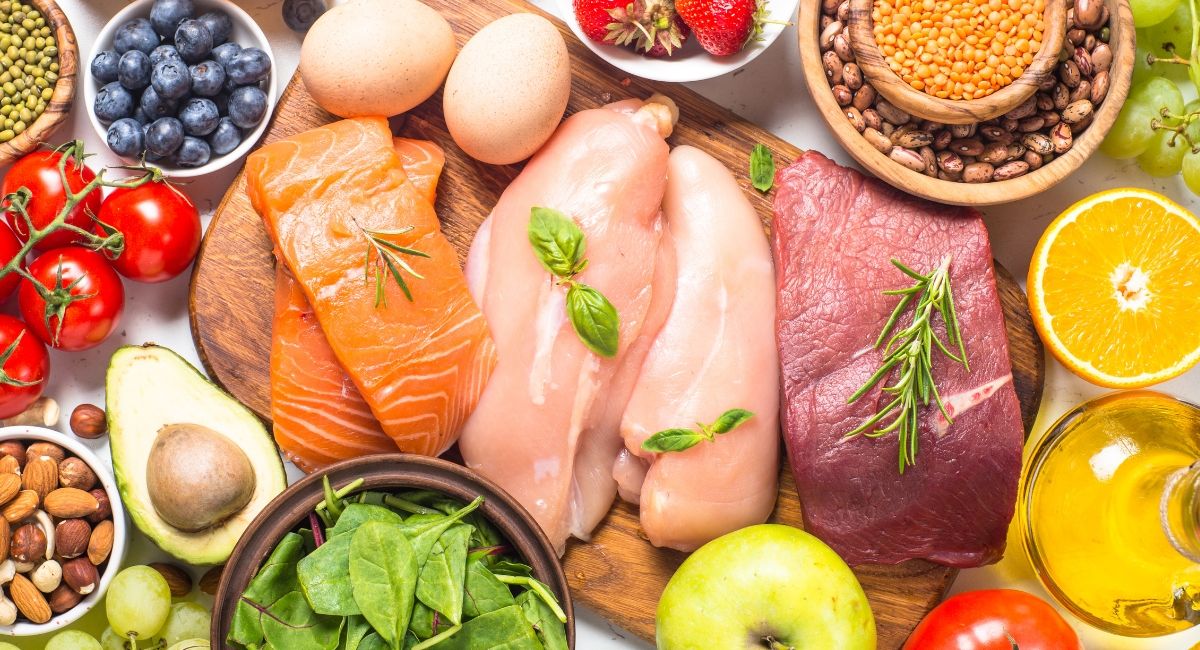
Who knew? Saturated fats don’t cause heart disease; in fact, they’re front and center in the US government’s new food pyramid, which also emphasizes fresh fruits and vegetables over processed food. Bryan Hubbard reports
Here’s a novel thought: Eat real food. Yup, not processed, sugary plastic foods, but the real thing. It’s the founding philosophy of the new food pyramid in the US, which is designed to guide Americans toward a healthier diet.
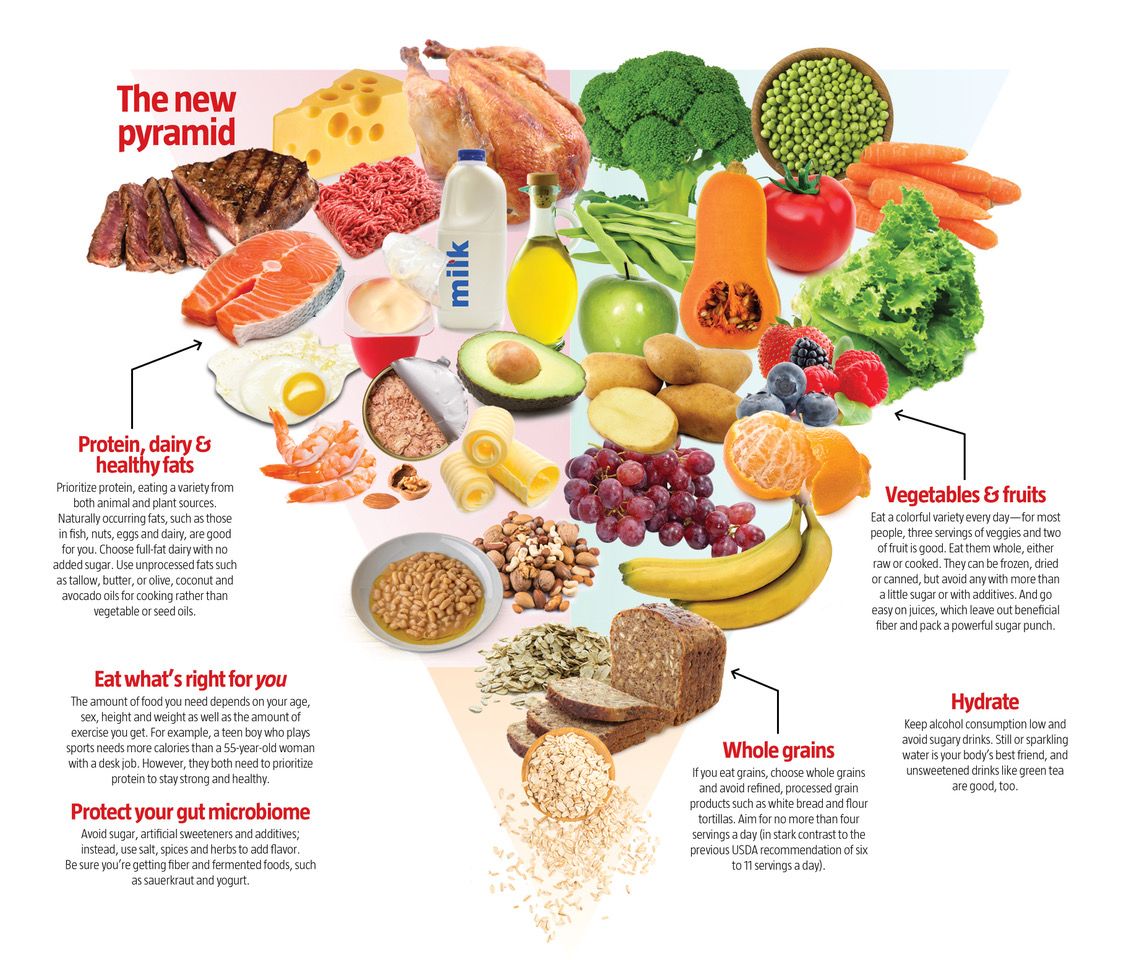
Its latest iteration—under the auspices of US Health Secretary Robert F. Kennedy Jr and the United States Department of Agriculture (USDA)—is a big departure from the previous version, which was published nearly 15 years ago. For one, it’s now an inverted pyramid with the point at the bottom; for another, grains are no longer the staple of the healthy diet but are now a food group to eat in strict moderation.
The emphasis is on fresh vegetables and fruits and saturated fats, which have come in out of the dietary cold. It’s a big change and a tacit acceptance that fats don’t cause cardiovascular disease, which is a blow to the low-fat foods industry. Full-fat dairy is back in the frame.
Protein, dairy, healthy fats, fruits and vegetables are the largest categories, and the recommended protein intake has increased to 1.2–1.6 grams per kilogram (0.54–0.73 g/lb) of body weight per day, up from the previous minimum of 0.8 g/kg (0.36 g/lb).
Although saturated fats are now a feature of the healthy diet, they should still represent no more than 10 percent of your daily calories, and the guidelines suggest these healthy fats should come from naturally occurring whole-food sources, such as avocado and butter.
Kennedy described the guidelines as the most significant reset of nutrition policy in history, calling for an end to long-held policies promoting highly refined foods that are harmful to health.
But not everyone is so impressed. Unsurprisingly, the American Heart Association and the Academy of Nutrition and Dietetics oppose the new recommendations and maintain that saturated fats are linked to heart disease.
Christopher Gardner, a nutritionist at Stanford University, commented, “I’m very disappointed in the new pyramid that features red meat and saturated fat sources at the very top, as if that’s something to prioritize. It does go against decades and decades of evidence and research.”
The data doesn’t support their views. As Kennedy pointed out when introducing the new pyramid, nearly 90 percent of healthcare spending goes toward treating chronic disease, much of it linked to diet and lifestyle. More than 70 percent of American adults are overweight or obese, and nearly one in three adolescents has prediabetes.
The new policy shifts the healthcare emphasis from pharmaceuticals to healthy foods, says Kennedy. Let food be your medicine—now, that’s a new thought.
What do you think? Start a conversation over on the... WDDTY Community

Great news! Discounts are available based on your cart total. Check the details below: