Struggling to lose weight? The state of your gut could be to blame, says Marcelle Pick. Here’s how to heal yours to help balance your hormones and shed unwanted pounds
“If there’s a diet out there, I’ve tried it,” Marisol told me.
From the balanced Mediterranean diet to keto, low FODMAP, vegan and too many fads to count, Marisol had long been on the hunt for a diet that would finally work for her. But no matter what she tried, she couldn’t seem to shed the extra pounds she’d been carrying around. Even worse, she suddenly seemed to be gaining weight.
She kept hearing about women who had found a diet that had transformed their lives. Why was nothing working for her?
That’s when I told her what I tell so many clients: It may not be the food you’re eating. Instead, it may be about the way your body is digesting and processing it.
For anyone who has a weight loss goal or just wants to be healthier, food choices are incredibly important. But many women, like Marisol, are making healthy food choices, and something is still missing.
Often that points to an issue with digestion, hormonal balance or both. Let’s look at how these things connect to weight loss and what you can do about them.
Digestive problems seem to be on the rise. Irritable bowel syndrome (IBS), a diagnosis given when someone has gastrointestinal symptoms that can’t be explained by another condition, continues to increase in prevalence.1
Research is mirrored in what I see with my clients. More and more women come to me complaining of stomach or digestive issues all the time. The symptoms vary, but many of them overlap.
They may have bloating every time they eat, nagging stomach pain, frequent nausea, or embarrassing episodes of gas—both belching and flatulence. They may have diarrhea, constipation or a combination of both at different times. Often, there are other things going on, too, like unexpected weight gain or constant fatigue.
Sometimes these problems are so persistent, it’s affecting daily life. These women are afraid to go anywhere that involves a shared meal because they simply don’t know what will happen when they eat.
They’ve done everything they can to get to the root of the problem but can’t find answers. After asking for help, they’ve been told it’s something they just have to learn to live with, or it’s all based on stress, and they just need to relax to relieve their symptoms.
While there’s definitely a link between stress and digestive issues, there’s often a lot more at play. Women are surprised when I tell them that their gut issues could be connected to hormonal imbalances.
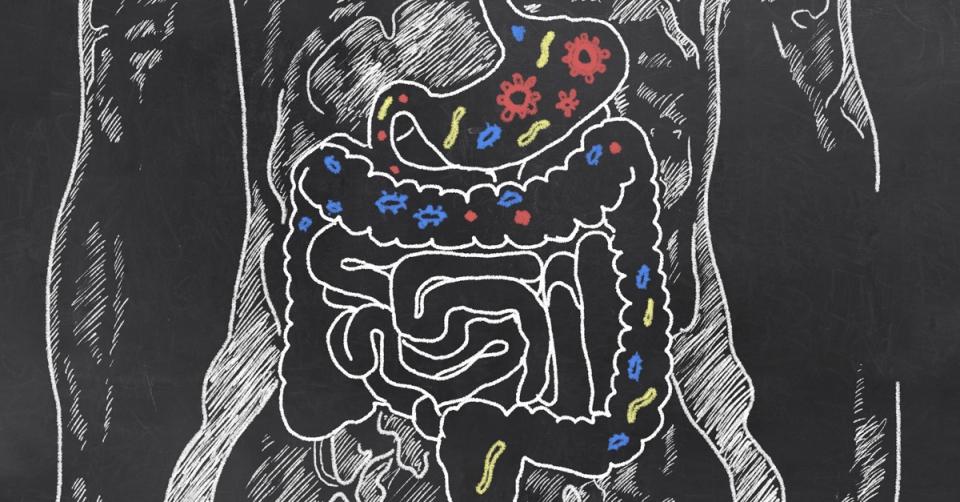
A key link between digestion, hormones and weight gain is “leaky gut.” Ideally, the lining of your digestive system allows only necessary nutrients from digested food to pass through into your bloodstream. Small areas in the lining open up to let them through, then close behind them to keep all the waste in the intestine.
If that lining is damaged, it can’t do its job properly. Instead it lets bacteria, toxins and partially digested food particles into your bloodstream, causing your immune system to react and often triggering harmful reactions like hormonal imbalance and weight gain.
Research is showing leaky gut can be related to chronic inflammation2 and a wide range of health issues,3 including allergies, type 1 diabetes, gastrointestinal diseases and even autism.
In the past decade, research has exploded on just how impactful the enteric nervous system—your “second brain”—is to countless body functions. This system contains 100 million neurons and does so much more than simply process food.
One major implication of leaky gut is that your hormonal balance can quickly become skewed. Hormones are chemical messengers. If anything interferes with the transmission of these messages, your system may not have an accurate picture of what your body needs.
And when one hormone goes out of balance, others quickly follow suit. Here’s a quick look at some of the key hormones that can be affected.
Estrogen
A healthy digestive system helps rid your body of estrogen metabolites (byproducts). If this doesn’t happen (as is common with leaky gut) you may develop estrogen dominance: high estrogen in proportion to progesterone. These hormones need to be in sync to properly regulate menstrual function, help burn fat, decrease fluid retention and regulate mood.
Researchers have also identified the importance of the estrobolome, the collection of bacteria that help convert estrogen to its active form. If your gut microbiome (the broader collection of bacteria in your gut) is out of balance, your estrobolome is likely to be, too.
Thyroid hormones
Thyroid hormones are another important piece of your overall health puzzle, and some conversion of T4 to the more usable T3 happens in a healthy gut. If your gut health is impaired, that T4 may not convert easily, leaving you low on T3. Imbalanced thyroid hormones are connected to many serious symptoms, including weight gain.
Insulin
Insulin is important in the regulation of blood sugar. If your blood glucose levels are stable, you’re much less likely to release excess insulin and probably won’t crave sugar as much. However, an unhealthy digestive system can put you at higher risk of insulin resistance, which makes burning fat (and losing weight) more difficult.
Serotonin
Most of the serotonin, a neurotransmitter that supports emotional regulation, appetite and digestion, is produced in your gut. That production can suffer when you have a leaky gut.
It can also impact melatonin levels, making sleep more difficult. And since sleep and hormones are intricately linked, sleep deprivation can have a huge impact on hormonal balance.
Cortisol
An angry, inflamed gut can also trigger your stress response, resulting in high levels of the stress hormone cortisol. The unhealthy bacteria that reproduce in an unhealthy gut can also change levels of ghrelin and leptin, hormones that regulate appetite.
As you can see, digestion and hormonal balance are connected in a number of ways. And hormonal balance is key to effective weight loss in many women. That’s why it’s so important to take good care of your digestive health if you want to maintain a healthy weight.
The relationship between gut health and weight loss is complex, and leaky gut is just one thing that can go wrong. Overgrowth of harmful bacteria (dysbiosis) or Candida, food sensitivities, low gastric acid and parasites can all disrupt your digestive tract and lead to weight gain. They can also make it extremely difficult to shed those pounds once you have them.
The primary function of your digestive system is to break down food to be used as energy or disposed of as waste. When it doesn’t do so properly, you may not absorb enough nutrients; you also might hold on to waste and toxins, leaving you bloated and/or constipated. If you can’t absorb crucial nutrients, you could also have a lower metabolic rate, which can leave you exhausted and holding on to excess fat.
If your digestive system isn’t working as it should, the rest of your body will eventually be affected. That’s why so many women have symptoms that linger for years with no solution: They haven’t treated the lurking gut issues.
After a while, they think this is simply how aging feels. But that’s not true. Even mild symptoms wear on your body and mind when they’re ever-present. That’s why it’s so important to know there’s something you can do about it.
When you keep your gut healthy, you keep your hormones healthy. And in turn, you might finally find solutions to stubborn weight gain.
In functional medicine, we use a 5-R protocol to address health concerns: remove, replace, reinoculate, repair and rebalance. Here’s how to heal your gut naturally using the 5-R approach.
1. Remove
This can be the most complex step because so many things don’t belong in your body and can severely disrupt your digestive system. For best healing, consider removing the following elements.
Stress
You can’t eliminate every stressor in your life, but small steps to alleviate the pressure can be critical in addressing digestive issues. Find five minutes per day to take a few deep breaths and really think about what you’re doing. Try to say no just once or pull back from a relationship that adds more chaos than fun to your life.
Foods that hinder health
First and foremost, wean yourself off carbohydrates and sugar. When your system is already overworked, these can push your body past its breaking point.
Spend time paying close attention to what and how you eat. Sit at the table and chew your food well to aid digestion. Consume plenty of lean protein, high-fiber fruits and vegetables, and water to keep you hydrated.
Be aware of foods your body may be allergic or sensitive to. Try an elimination diet, have a food allergy/sensitivity panel, or remove sugar, gluten and dairy, among other common allergens, to see how you feel without them.
Infections, parasites and yeast
It’s possible that you have a lingering infection, an overgrowth of bacteria or parasites in your system. There are so many possibilities that it may take a while to discover exactly what’s going on. Be persistent and ask for appropriate testing.
Once you discover exactly what you’re up against, you can make an informed decision about how to eliminate it. For instance, small intestinal bacterial overgrowth (SIBO), which affects around 80 percent of those with IBS, can often be treated with herbs like oregano, thyme and berberine (see below). A functional medicine practitioner can help tailor a treatment plan for you using herbs and/or other natural remedies.
Environmental toxins
Our world is full of toxins, and many people have no idea how to sidestep them. Because they’re in our clothes, beauty products, food and air, it’s impossible to avoid them entirely. But taking small steps to reduce your exposure can help.
Buy organic foods—at the very least the “dirty dozen” pesticide-laden foods on ewg.org in the US or pan-uk.org in the UK—whenever possible and use natural cleaning and beauty products.
2. Replace
When it comes to digestive issues, often you’ll need to replace digestive enzymes that have been compromised by a variety of factors, including poor diet, medications and natural chemical changes that come with aging.
Talk with your practitioner about adding in digestive enzymes, hydrochloric acid and bile acids necessary for proper digestion. They can aid your system in breaking down and absorbing nutrients, which can calm those painful symptoms you’ve experienced. Testing can help determine what you need.
3. Reinoculate
Making sure you have enough good bacteria, like Bifidobacterium and Lactobacillus, is as important as eliminating the bad ones. Your body may have been lacking these good guys for a very long time—even since birth.
Prebiotic foods feed the good bacteria, so eating these foods can really boost their numbers in your gut. If your system has been compromised for a long time, however, you might find yourself unable to tolerate these foods, so be aware of how they make you feel.
You’ll get the most benefit if you consume these foods raw since cooking can break down beneficial components. Here are some of the best prebiotic foods:
Probiotics are the good bacteria you need to balance your gut. Fermented foods like yogurt, miso, kefir and tempeh contain probiotics, but it can be difficult to consume enough to reach optimal balance with food alone. And some people simply don’t care for the taste or texture of fermented foods.
You can also get the probiotics you need from a high-quality supplement.
4. Repair
In addition to reintroducing beneficial bacteria into your system, you may need to repair damage to your gut lining. You may be lacking key nutrients that can calm inflammation and assist in healing your digestive system, such as zinc, fish oil for essential fatty acids, glutamine, and antioxidant vitamins A, C and E.
Eating plenty of foods rich in these nutrients or seeking additional supplemental support can keep your healing moving forward.
5. Rebalance
After interventions have successfully restored balance to your system, it’s up to you to pay attention to lifestyle choices that could throw it off kilter again. Good nutrition is critical, but three other areas make a big difference in your gut as well: sleep, exercise and stress levels. Poor choices here can have a big impact, so find ways to move regularly, get quality sleep and keep stress to a minimum.
After I teach women about how digestion can impact hormonal balance and keep unwanted weight around, they often make these simple changes and have great success shedding the pounds.
This was the case with Marisol. And once she improved her digestive system and hormonal balance, it turned out that she could lose weight—on a very simple and easy to follow whole-foods diet.
Because so many things can create havoc in your gut, it may take a while to find just the right combination of changes. But be persistent. I promise it’s worth it.
Herbal therapy can be just effective as antibiotic therapy for treating SIBO, according to one study. The patients took either rifaximin or two capsules twice daily of a multi-herb commercial product: Dysbiocide and FC Cidal by Biotics Research or Candibactin-AR and Candibactin-BR by Metagenics. The products contain a variety of antimicrobial herbs including red thyme oil, oregano oil, berberine extract, Indian barberry extract and wormwood extract.
SIBO resolved in 46 percent of those taking the herbal supplements, compared to 34 percent in the antibiotic group. And while several adverse effects were reported in the antibiotic group, there was only one case of diarrhea in the herbal therapy group.1
The herbal products, which feature in Dr William Davis’s herbal antibiotic SIBO protocol, are available from metagenics.com and hebronnutrition.com in the US and healf.com and uk.iherb.com in the UK.
What do you think? Start a conversation over on the... WDDTY Community

Great news! Discounts are available based on your cart total. Check the details below: