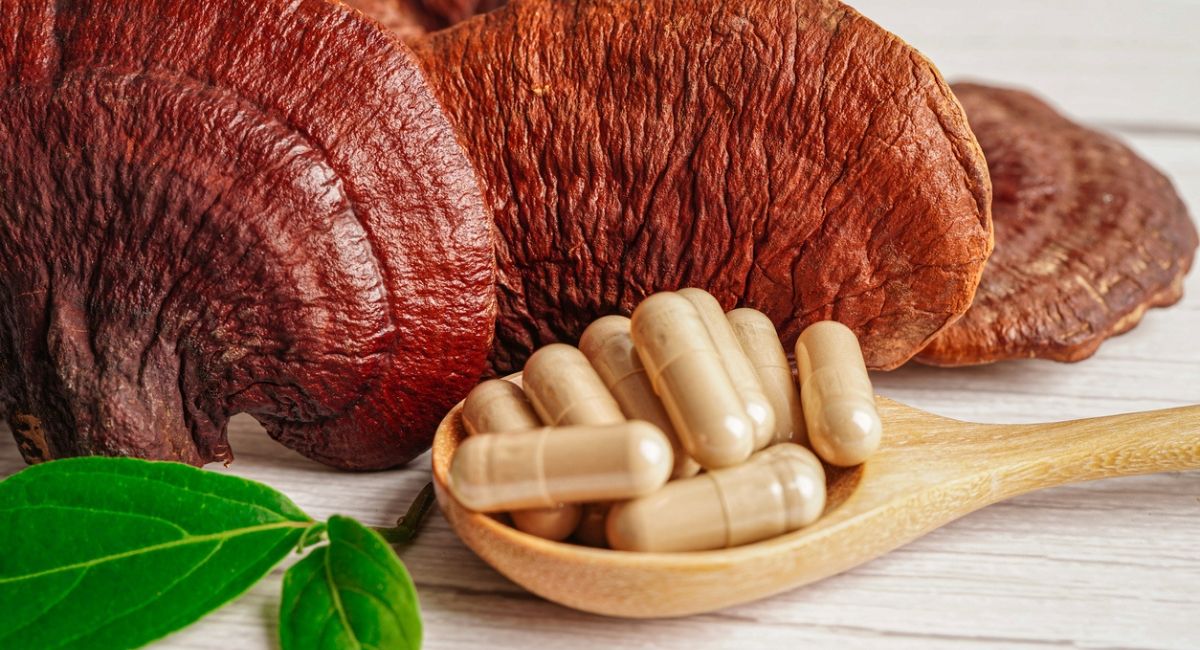
Medicinal mushrooms are having a moment. Fungi experts Christopher and Katherine Parker dig into their favorite functional varieties and unearth the research that shows why these mushrooms matter
Mushrooms have long been prized in traditional medicine, but today they’re earning fresh attention as science uncovers just how powerful these fantastic fungi can be. Whether they’re helping to delay dementia, ease anxiety, boost immunity or even fend off cancer, medicinal mushrooms are proving to be important allies for healing body and mind. Here are four of our favorite medicinal mushrooms along with a summary of the most intriguing research on their many health effects.
Cordyceps species
Traditional uses
Along with reishi, Cordyceps is one of the most important fungi to practitioners of traditional Chinese medicine (TCM). It’s been used to treat infertility and erectile dysfunction, to increase stamina, to support kidney and lung health, and as an aphrodisiac.
There are many species, but the most well known are Cordyceps sinensis and Cordyceps militaris.
Research on human health effects
In a meta-analysis (a study that combines results from many different studies) of 31 high-quality trials of Cordyceps, researchers found the fungus has at least 190 possible biological mechanisms to improve kidney health, including reducing inflammation and boosting immune function.1
CANCER
A meta-analysis of 12 randomized controlled trials (considered the gold standard for assessing how effective an intervention is) involving over 900 patients who received Cordyceps in addition to standard cancer treatments concluded that C. sinensis tends to improve tumor response rate, immune function and quality of life. It also seems to reduce the chances of adverse reactions to standard cancer treatments.2
KIDNEY FUNCTION
Improving kidney function is one of the key uses of Cordyceps in TCM. A meta-analysis of 17 studies with Jinshuibao, a powdered extract of C. sinensis, found it benefits patients with chronic renal failure.3
Cordyceps may also be useful for diabetes-related kidney failure,4 which is often treated by reducing blood sugar levels but without support for the kidneys. One study tested a Cordyceps-derived medicine in those with diabetes before renal failure sets in. They found the standard treatment supplemented with Cordyceps improved kidney function more than the standard treatment alone.5
LUNG FUNCTION
Several studies have looked at the impact of Cordyceps on chronic obstructive pulmonary disease (COPD). It appears to improve lung function and reduce symptoms while increasing exercise endurance and quality of life.6 A placebo-controlled study of patients with tuberculosis (which affects about 14 million people globally) found significant improvement in symptoms in those who received Cordyceps in addition to chemotherapy.7
ATHLETIC PERFORMANCE AND ENERGY
A three-month study of 30 physically active people found that taking a 2 g C. sinensis supplement daily improved athletic performance.8
Another study looked at the effects of taking 1 g Cordyceps immediately before high-intensity exercise. Muscle biopsies before and after exercise showed significantly faster muscle repair in the group taking Cordyceps. This seemed to be because it sped up recruitment of stem cells to the muscles.9
Cordyceps has also been shown to increase the efficiency of mitochondria, raising ATP levels to improve energy levels.10
IMMUNE FUNCTION
A trial of 40 healthy adults showed that drinking a functional beverage from the mycelium of C. militaris daily for two months can increase various biomarkers indicating a healthier immune system.11 Preliminary research has found Cordyceps effectively treats symptoms of Covid-19 with no significant side effects.12
PROSTATE HEALTH
In a study investigating whether C. militaris could treat sexual dysfunction and benign prostatic hyperplasia (prostate enlargement), older men received two daily capsules containing 6 mg of cordycepin (a compound found in C. militaris) each along with supporting compounds for three months. Results showed increased urinary flow and decreased prostate size. Many subjects also reported improved sexual function.13
Ganoderma species
Traditional uses
In Chinese medicine, and throughout Asia, reishi has been used for at least 2,000 years. Also known as lingzhi, this medicinal powerhouse was mentioned in texts as far back as 100 BCE and has been documented as an effective medicine for a number of ailments as well as a tonic for strengthening the body.
Research on human health effects
Laboratory and preclinical studies of reishi have found these mushrooms have anticancer, antiviral, antibacterial and anti-inflammatory activity. They also seem to benefit heart health and help manage diabetes. Although there are many species of reishi, Ganoderma lucidum is the most widely studied.
CANCER
Western researchers generally agree that reishi is an effective adjunct therapy for cancer. It can slow tumor growth and improve quality of life, but there is not yet evidence for reishi as a standalone treatment to cure cancer.14
One three-month trial of patients with advanced lung cancer found 600 mg reishi (polysaccharides extracted from G. lucidum) three times daily slowed the growth of lung cancer, improved quality of life and increased blood biomarkers indicating a more active and healthy immune system. It also reduced symptoms such as fever, coughing and insomnia.15
A hot-water extract of G. lucidum has been found to suppress the growth of precancerous lesions of the large bowel after a year of treatment.16
IMMUNITY
To reduce colds, a yogurt containing reishi-derived beta-glucans (a type of fiber that dissolves in water) was given daily to 167 preschool children in Colombia for three months. Blood samples and physical exams showed they had significantly healthier immune systems than children who did not receive the reishi yogurt.18
Reishi-derived beta-glucans also appear to boost the immune system of healthy adults.19
CARDIOVASCULAR EFFECTS
Reishi seems to be cardioprotective primarily because it affects blood levels of glucose and fat, blood pressure, and liver function. And it’s been shown to reduce inflammation in the heart and blood vessels, protecting against heart disease.20
A daily dose of 540 mg reishi-derived beta-glucans for people diagnosed with atrial fibrillation (irregular heartbeat) over 90 days resulted in significant improvements in systolic blood pressure, heart rate, anti-inflammatory markers, compounds that reduce tumors, energy and quality of life as well as reduced fatigue, pain and physical limitations.21
In patients with coronary heart disease, daily reishi extract reduced various heart-related symptoms and resulted in a higher likelihood of normal heart function, all while reducing blood pressure and cholesterol levels.22
One study looked at reishi as a possible preventive medicine for heart disease by studying people who had mildly elevated blood pressure and cholesterol levels. The participants took 1.44 g reishi daily for three months.
Researchers saw improvements in levels of beneficial cholesterol but no significant change in blood pressure. They did, however, find improvements in blood plasma insulin levels, suggesting a possible antidiabetic effect.23
DIABETES
Two tightly controlled studies have looked at the effects of reishi in people with type 2 diabetes. The first study found a significant benefit,24 but the second found no effect.25 The study that found an effect used Ganopoly, a patented commercial reishi extract, while the study that found no effect used “Ganoderma lucidum extract and spores.”
Also, the study that showed beneficial effects used a much higher dose (5.4 g/day) than the study that didn’t (3 g/day). The studies were conducted in different countries, which could have affected results as well.
ANTI-INFLAMMATORY EFFECTS
A handful of clinical trials have tested reishi’s effects on inflammation in different disease states. Results are mixed, but one promising example is fibromyalgia, which is characterized by chronic pain throughout the body without a clear cause. Secondary impacts include depression, anxiety and reduced quality of life.
A study of women with fibromyalgia who received 6 g of micro-milled reishi stems daily for six weeks showed a distinct trend toward greater happiness and life satisfaction and reduced body pain and depression compared to how they felt at the start of the study.26
Grifola frondosa
Traditional uses
In TCM, Grifola frondosa, or hui shu hua, is used to calm the mind and to tone the liver and kidneys. It is associated with the heart, large intestines and stomach channels as well as intestinal regulation.
In Japan, G. frondosa is used to support well-being and the immune system while being considered a broad health tonic. Herbalists in Japan traditionally used dried G. frondosa by slicing it and steeping it in hot water for a few minutes.
Research on human health effects
A strong body of scientific evidence for the medicinal value of maitake mushrooms has been gathered over the past 30 years. Most of this work, done in mice and rats, shows strong effects: Maitake is immunomodulatory, antitumor, antiviral, antidiabetic, antioxidant and antibacterial. Studies also show it regulates lipid levels and blood pressure.27
CANCER
Clinical trials suggest maitake stimulates the immune system to fend off cancers, although its action on the immune system is complex and not yet understood.
In women who had undergone surgery for breast cancer, researchers measured 146 immune system markers and found maitake extract affected 24 of them, and these effects varied with the dose. The extract enhanced some immune functions and suppressed others. The optimal dose depended on the immune function being targeted, but 5–7 mg per kg (2–3 mg per lb) of body weight per day gave the most benefits.28
In cancer patients not taking any other anticancer drugs, maitake slowed the spread of cancer and reduced cancer markers in the body. At the same time, it boosted the activity of natural killer cells, white blood cells that destroy infected cells.29
VIRUSES
Maitake’s ability to stimulate the immune system may help fight flu infections. In one study, people took 7 g powdered maitake extract daily for three months. One month in, they also received a flu vaccine.
The researchers found maitake extract increased levels of antibodies and reduced cold symptoms compared to placebo. Those over age 60 saw the greatest effects.30
DIABETES
A small, uncontrolled study of type 2 diabetes patients taking maitake extract three times a day for a month found they all showed a significant decline in fasting blood glucose.31 Maitake has also been found to induce ovulation in women with polycystic ovary syndrome (PCOS), a condition in which insulin resistance and reduced ovulation are key issues.32
Hericium erinaceus
Traditional uses
Lion’s mane has a long history of use in Asian cultures. In TCM, it’s used to support the five internal organs—liver, spleen, kidney, heart and lungs—and is also recommended for gastric ulcers and chronic gastritis.
Some Indigenous American nations used lion’s mane to prevent bleeding, and the first scientific description of this fungus was from North America.
Research on human health effects
Lion’s mane has been shown to have numerous health benefits, including antioxidative, antidiabetic, anticancer, anti-inflammatory, antimicrobial, and possibly antidepressant and anti-anxiety effects.
DEPRESSION AND ANXIETY
A study of menopausal women who ate cookies enriched with powdered lion’s mane extract for a month showed a significant reduction in symptoms of depression and anxiety.33 Another study in overweight and obese people found that taking lion’s mane extract (1.5 g/day) for two months increased sleep quality and reduced anxiety and depression.34
COGNITIVE PERFORMANCE
The effects of lion’s mane on diseases of the aging nervous system, including Parkinson’s, Alzheimer’s and stroke, are the field of widest research.
Preclinical research has found that neuroprotective compounds called hericenones and erinacines are present in lion’s mane. These compounds can easily pass through the blood-brain barrier and stimulate production of various proteins crucial to the growth and maintenance of neurons.
They include brain-derived neurotropic factor (abrineurin or BDNF) and nerve growth factor, which help to maintain brain health. BDNF is a key molecule that promotes brain plasticity and neuron growth.
Animal research has shown that lion’s mane increases neuronal growth in brain areas key for cognitive functioning. Research in humans has focused on its effects in those already experiencing cognitive decline and its effects on cognitive performance in healthy adults.
In a study of older adults with mild cognitive decline, those who took 1 g lion’s mane powder tablets three times a day for four months saw a significant increase in cognitive performance. A month after stopping the lion’s mane, their cognitive performance scores had significantly declined, underscoring the importance of continued supplementation.35
In a trial of people with mild Alzheimer’s disease, those given 5 mg of erinacine A (a compound derived from lion’s mane) daily showed improvement in cognitive abilities, mental state and performance of tasks of daily living. The control group, on the other hand, continued to decline. Lion’s mane may be important for neurocognitive benefits in people with Alzheimer’s disease, the researchers said.36
Healthy people can get a brain boost from lion’s mane too, it seems. Those taking erinacine A (3.44 mg/day), saw a significant improvement in cognitive function in one two-month study, as assessed by two nonverbal speed tests. What’s more, their levels of the brain booster BDNF increased. The control group showed a decrease in BDNF.37
GUT MICROBIOTA AND IBS
In the study of healthy people above, those taking lion’s mane also showed an increase in the diversity of their gut microbiota. It was linked to neuropeptide Y, a molecule that regulates BDNF production.
This research uncovered a complex system in which gut bacteria help to break down chitin (a type of insoluble fiber) in fungal cell walls and improve the body’s ability to produce BDNF. These friendly gut bacteria seem to make the hericenones and erinacines from lion’s mane more available for use.
Other research suggests lion’s mane may have a positive impact on gut flora38 and reduce inflammation in patients with irritable bowel syndrome (IBS).39
What we tend to think of as mushrooms are only small parts of any fungus. The part sticking up above the ground, that we pick and eat, is called the fruiting body. It is formed out of the underground (or within-tree) mycelium, a vast net made up of hyphae, which are thread-like tubes of protoplasm.
Mycelium can be thought of as fungal “roots,” and mycelial networks work their way through whatever substrate they are in, consuming anything edible and exuding metabolites.
The fruiting body, which pops up periodically above the surface, essentially exists to produce spores. These spores are similar to seeds; they are distributed by wind, insects or animals to spread fungi to new areas.
The surge in popularity of medicinal mushrooms has resulted in the arrival of many brands and formulations of mushroom supplements in the marketplace.
A lot of mushroom coffee products are made with myceliated rice (a mix of mushroom mycelium and the rice it was grown on) that has been ground and added to coffee. But for the majority of medicinal mushrooms, the fruiting body is the part that contains the most medicinal compounds.
Some supplement labels list the ingredients as simply the name of the mushroom, e.g., “lion’s mane,” and others say something more specific, like “lion’s mane extract.” It’s likely that the “extract” contains compounds extracted from the mushroom rather than simply dried and ground mushroom parts, which our bodies cannot absorb.
When looking for mushroom supplements, it’s best to thoroughly research the company and learn about which forms of the mushrooms they use and their extraction methods before you buy. Dual extraction, which uses both water and alcohol to extract the beneficial compounds from medicinal mushrooms, is generally considered the best method to get the maximum health benefits from mushrooms.
The easiest way to consume medicinal mushrooms is to incorporate them into your diet a few times a week. Here’s a simple tea recipe that incorporates reishi, Cordyceps and other functional mushrooms.
Not only is it delicious and soothing for the body but it’s a heavy-hitting medicinal as well. Feel free to experiment with other combinations of ingredients to find what works best for you. Not all of these mushrooms must be used, but the first three in the list are highly recommended.
We use a 1 gallon slow cooker to make this chai, but you can also use a stock pot with a capacity of 1 gallon or more. Making this chai is a long process, so we like to prepare a large batch, which we keep in the fridge to heat up whenever we want to enjoy it.
Ingredients
Method
Optional extra: If you want to add black tea to the chai, you can add a mix of Assam, Darjeeling and Ceylon teas to a tea ball or strainer and pour the hot Chaga-Reishi Chai over it into a cup. Cover and let steep for 5–10 minutes. Remove the tea strainer, add the milk and honey and enjoy.
Adapted from The Mycelial Healer: A Comprehensive Guide to the Cultivation and Traditional Uses of Medicinal Mushrooms (Chelsea Green, 2025), by Christopher Parker and Katherine Parker, and printed with permission from the publisher
What do you think? Start a conversation over on the... WDDTY Community

Great news! Discounts are available based on your cart total. Check the details below: