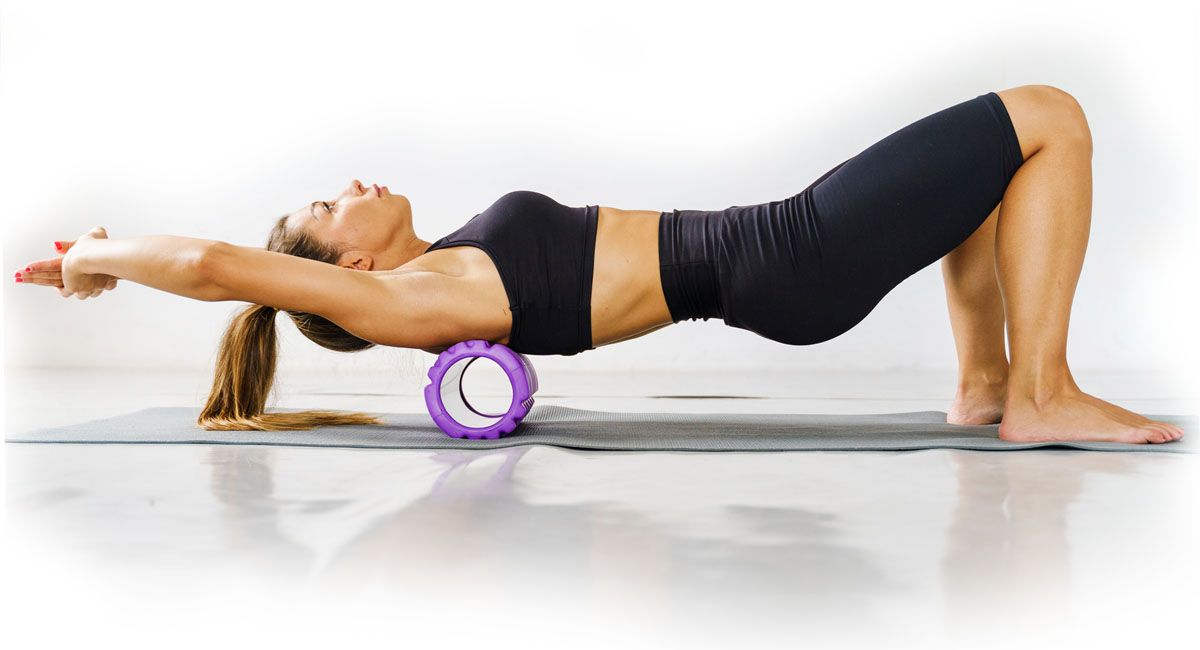
From chronic pain and frozen shoulder to depression and facial aging, Celeste McGovern looks at the hidden connective tissue network being rediscovered as one of the body’s most important systems
When country singer LeAnn Rimes burst into tears in March during a viral “deep jaw release” treatment, the video of the event ricocheted across the internet, getting millions of views within days. Two therapists from the California wellness company The Human Garage had worked with her, pressing hands inside her mouth and on her face to manipulate her jaw as Rimes grimaced before she suddenly began crying—hard—and gasping, “Oh, my God,” repeatedly. “You just don’t realize how much tension is in there.”
“Until it’s gone,” therapist Garry Lineman replied.
“Healing isn’t always quiet. Sometimes it’s a physical letting go of things we didn’t even know we were carrying,” the Human Garage post of the video on Instagram said.
Some viewers were skeptical, commenting that it looked like a celebrity seeking attention. But others defended her, describing their own similar experiences of stored tension. Rimes rebuffed accusations that she was just acting, saying that she’s good, “but not that good” an actress, and she described what happened as years of stored tension poured out.
“For as long as I can remember, my body has held tension like it’s been bracing for something,” she wrote in a separate Instagram post. “My jaw, my neck, my shoulders . . . especially the TMJ [temporomandibular joint], it’s never really let go.”
Behind this drama is a larger social media phenomenon focused on fascia and fascia-based therapies. On TikTok and Instagram, influencers claim that tight fascia in the feet or hips can lead to reduced range of motion in the arms, neck and body and can even cause sagging jowls as we age.
There are videos of people clawing at their thighs with gua sha stones, rolling themselves across hard foam cylinders, stretching their necks against door frames and tennis balls, and dragging and twisting their facial skin in search of something called “fascial release.” Videos tagged #fascia have exploded online, promising everything from relieving chronic pain and anxiety to creating sharper jawlines, enabling emotional healing and making you look 20 years younger.
It’s not entirely TikTok hype. Behind the hashtag trend lies the rapidly growing scientific frontier of the study of fascia—the vast web of connective tissue that wraps around muscles, nerves and organs. It’s often compared to cling wrap around and inside body tissue.
In the early days of human anatomical discovery, when bodies were first dissected, fascia was stripped away and dumped, viewed as just inert packing material for the vital things—organs, blood vessels, nerves and so on. Now that’s all changing, and fascia is being studied as an integral sensory system linked to pain, posture, inflammation and stress.
Surgical videos of living fascia magnified 25 times show it’s not dry or inert but a living, highly dynamic system of glistening spiderweb-like translucent tubules that glide over one another, continuously stretching, clumping like tree trunks, or expanding and splitting. It looks nothing like the dead, gauzy sheets seen in old anatomy labs.
New research increasingly backs the idea that fascia is biologically active. Studies show it is richly innervated and vascularized. It contains more sensory nerve endings than muscle tissue, autonomic nerve fibers, immune cells and specialized cells called fibroblasts that respond to pressure, stretch and movement.
One paper describes it as “a mechanobiological hub and stem cell reservoir,” a “continuous three-dimensional network.” These views are part of an emerging paradigm of fascia as a complex system linking movement, pain, posture, inflammation and nervous system regulation throughout the body.1
Viewing fascia as a living and mobile entity presents a whole new way of viewing human anatomy and is leading to different ways of viewing and treating chronic pain syndromes, from fibromyalgia and frozen shoulder to low back pain, plantar fasciitis and TMJ disorders. Growing research suggests fascia may even affect a person’s emotional state.
Researchers have begun investigating whether chronic anxiety, depression and trauma leave measurable imprints not just in the brain but in the body itself, hidden in the fascia. They’re exploring whether therapies designed to release fascial tension might help relieve both physical and mental illness via the kind of release LeAnn Rimes experienced.
Dozens of clinical trials suggest therapies targeting fascia—including myofascial release, dry needling, foam rolling, cupping, shock wave therapy and specialized slow-stretching techniques—might improve a range of chronic pain conditions.
One 2025 review analyzed 67 randomized controlled trials on cervical myofascial pain syndrome, a common form of chronic neck pain involving trigger points and fascial stiffness. It found that combining exercise with fascial therapies consistently improved pain, mobility and physical function.
Dry needling is a Western practice that uses needles like acupuncture but focuses on releasing tension in nerves and muscles rather than directing energy (qi) flow. It was the most extensively studied and led to consistent short-term relief. Extracorporeal shock wave therapy (ESWT), myofascial release, cupping and instrument-assisted soft tissue mobilization also showed measurable benefits.
The review concluded exercise alone helped with pain and mobility. But patients tended to improve the most when strength training and posture retraining were combined with therapies designed to directly tackle myofascial tissue tension.2
Little surprise, then, that versions of fascia therapy are now routine in elite professional sports.
Serbian tennis superstar Novak Djokovic is known for embracing fascia work. You won’t find him looking for emotional release from fascia therapy, but he is super flexible (he’s been photographed doing center splits during workouts). Recently, he lent his name to a program at the Amangiri resort in Utah that includes myofascial release therapy “focused on the chains of connective tissue, or fascia, throughout the body.”
Foam rollers, massage guns, fascial stretching, cupping, trigger-point therapy and soft tissue mobilization are now standard of care for high-performance athletes who need rapid recovery and flexibility. When injury can derail an income of millions, athletes spend as much time on connective tissue mobility as on strength training.
Research is starting to catch up with the practice. One 2026 study of recreational cyclists found that regular foam rolling improved performance and lactate recovery more than training alone even though it didn’t significantly improve cardiovascular fitness.3
Outside of professional sports, one condition that physiotherapists are reexamining through the fascia lens is frozen shoulder. The painfully stiff condition, formally known as adhesive capsulitis, can leave people unable to lift an arm, dress themselves properly or even sleep comfortably.
Traditionally, frozen shoulder has been viewed largely as a problem of inflammation and scar tissue forming around the shoulder joint capsule. But fascia researchers have long suspected that soft tissue and the surrounding connective tissue network also play a major role.
A 2019 Swedish case study explored whether a form of myofascial treatment using a hand tool that creates deep pulsating vibrations could help restore movement in patients with frozen shoulder. They argued that chronic inflammation and immobility may cause the fascia surrounding muscles and joints to become “densified,” adhesive and less able to glide smoothly over neighboring tissues.
One major focus of the study was hyaluronic acid, a slippery gel-like substance within fascia that helps tissues slide during movement. The researchers proposed that inflammation and immobilization may alter its viscosity, causing the fascia to become sticky and restricted.
Twenty-three patients with frozen shoulder underwent a series of shoulder, neck and upper back tissue treatments with a vibrating fascia tool. According to the study, 87 percent gained range of motion of at least 30 degrees, while nearly 40 percent regained full shoulder mobility.
One person left the study early with complete range of motion restored after just one session. Many participants also reported reduced pain and improved sleep.4
Plantar fasciitis, a foot condition that famously greets its sufferers with stabbing heel pain on their first steps out of bed in the morning, is also being looked at through the lens of fascia science. This makes sense because it affects a clear fascial structure—the thick band of connective tissue running along the sole of the foot.
New research suggests therapies aimed at improving fascial mobility and reducing tissue stiffness may help relieve symptoms of plantar fasciitis. One randomized controlled trial compared people receiving myofascial release for plantar heel pain to those receiving a sham ultrasound.
The fascial therapy didn’t target only the plantar fascia but also the connected fascial chains along “myofascial meridians” in the calf and lower leg. Compared with the control group, these patients experienced far greater reductions in heel pain, improved foot function and less disability.5
In a 2023 review of conservative treatments for plantar fasciitis, Duke University researchers found that seven of 10 studies showed myofascial release techniques, trigger-point therapies and manual fascial manipulation could reduce pain and improve foot function better than standard treatment. Three studies found they worked as well as alternative therapies.6
The overlap between stress, posture, pain and fascia is clear in TMJ disorders. This cluster of jaw problems includes clicking, pain on biting, facial pain, headaches, ear symptoms, neck tension and even difficulty chewing and speaking.
Affecting 5–12 percent of the population, the disorders are usually treated with mouth guards, anti-inflammatory drugs, muscle relaxants and, in severe cases, Botox injections or even surgery. Increasingly, however, researchers are viewing many cases less as isolated jaw-joint damage and more as whole-body neuromuscular tension disorders involving the muscles and fascia of the jaw, neck, face and upper spine.
A growing number of clinicians are using manual and myofascial release therapies to relieve TMJ disorder symptoms, especially in patients whose pain is driven more by muscular tension than by joint degeneration. A 2021 review found strong links between TMJ disorders and stress, anxiety, depression and insomnia, suggesting chronic facial tension and muscle guarding may contribute to fascial tension around the jaw.
Among non-drug approaches, including meditation and relaxation techniques, stretching and physiotherapy, the review cited craniosacral therapy, which uses gentle manual techniques around the skull, spine and fascia as “a promising alternative treatment.” It attempts to reduce sympathetic nervous system arousal that raises cortisol and “release fascial restrictions between the cranium and sacrum.”7
That idea that depression, anxiety and trauma become physically trapped in the body has hovered at the outer edge of medicine. It was long dismissed by skeptics as New Age psychobabble but embraced by everyone from yoga teachers to trauma therapists. Suddenly, the science surrounding fascia is moving the conversation mainstream.
The popular idea of trapped stress gained traction especially with the work of Dutch psychiatrist Bessel van der Kolk, whose blockbuster book The Body Keeps the Score (Penguin Books, 2015) argues that trauma isn’t just remembered by the mind but carried by the body.
He describes traumatized patients as living in perpetual fight or flight with shallow breathing, clenched jaws, tight shoulders and restricted range of motion. “Traumatized people chronically feel unsafe inside their bodies,” van der Kolk says.
Therapists like those at the Human Garage are convinced, after witnessing thousands of patients like LeeAnn Rimes dramatically dump emotions through fascia release therapy, that it’s the fascia that holds the tension over time. “I believe that different parts of the body hold different emotions or different memories,” co-founder Jason Van Blerk told broadcaster Dr Rangan Chatterjee.
Researchers are more reserved about saying the fascia stores memories or trauma, but they’re wondering out loud whether chronic emotional stress reshapes the body’s connective tissue over time. A recent psychiatric review proposed that fascia acts as a biological bridge between body and brain, relaying information about tension, posture, inflammation and internal physiological state directly to the nervous system.
Researchers from Saudi Arabia, Canada and China compiled a review this year proposing that fascia functions as a body-wide sensory network deeply connected to posture, pain, inflammation and the autonomic nervous system.
“The fascial system continuously relays the body’s internal physiological state to the brain, offering a plausible framework for understanding how somatic tension may correlate with emotional states,” they wrote.8
They cite one of the first randomized controlled trials to look directly at the fascia–depression connection. German psychologist Johannes Michalak and colleagues recruited 69 psychiatric inpatients with major depressive disorder and assigned them to either a single session of self-myofascial release using foam rollers or a placebo exercise.
The depressed patients, it turned out, had measurably stiffer and less elastic myofascial tissue in the upper back and neck than healthy controls. Those who underwent the myofascial release session had a more positive emotional state at the end and a reduction in the negative memory bias that is considered a hallmark of the condition.
“Characteristics of the myofascial tissue might be part of a depressive interlock configuration of bodily and psychological processes that ‘lock’ subsystems into a self-perpetuating configuration that maintains depression,” the researchers concluded.9
It was a small study and involved just one treatment session with a foam roller, but it dovetails with basic advice from the world of personal development. Long before fascia research took off, self-help experts were observing the same thing.
Motivational speaker Tony Robbins has said for decades that emotions don’t just sit in the mind but are carried by the body. Rather than waiting to feel motivated, Robbins tells people to change their “state” first with physical action: stand taller, breathe deeply, move differently, listen to energetic music, dance. In other words, use the two-way conversation between psychological stress and the body that in turn influences how we feel.
The idea didn’t originate with self-help, however. Long before Instagram influencers were posting videos of “facial fascia releases,” biochemist Ida Rolf was arguing that the body’s connective tissue held the key to posture, movement and health.
She developed her system of “Rolfing”—intense deep-tissue manipulation aimed at reorganizing posture and movement through the fascial system—in the 1940s and 1950s. As one of the first practitioners to put fascia at the center of human health, she was doing the work long before mainstream scientists started to get interested. The Rolf Institute (rolf.org) continues to train practitioners in fascia release techniques.
If Rolf was the fascia pioneer, Pennsylvania physiotherapist John Barnes was the visionary who brought it to the masses. Barnes, who died in 2025, spent decades teaching the hands-on technique that became known as myofascial release.
Through his seminars (myofascialrelease.com), he trained thousands of practitioners. His influence can be seen everywhere from physiotherapy, chiropractic and chronic pain centers to wellness retreats.
The idea that emotional trauma can become embedded as tension in the body is nothing new. What’s new is the idea that these knots can also be found in your face. As fascia therapy has grown into a social media phenomenon, influencers have started claiming that restrictions in facial fascia don’t just cause tension and pain but also cause skin to wrinkle and sag.
The most prominent advocate of this idea is Oscar Patel. His facial-release videos have gone viral, putting fascia into the zeitgeist of beauty media and the world of “looksmaxxing.” Patel rejects the idea that facial structure is fixed. He argues that faces can be changed and sculpted with exercise in the same way bodies can.
If bad dietary habits and a sedentary lifestyle can lead to big bellies, bad posture and illness, Patel thinks, habits like incorrect posture, open-mouthed breathing and slouching can lead to “text necks,” receded chins, crooked teeth and other ugly features.
“Your bones are not static. They’re dynamic, living tissue,” he says. Patel teaches his subscribers “mewing,” a tongue exercise introduced by British orthodontists John Mew and Mike Mew who maintain that the tongue is a key force that shapes the face for life.
Its ideal resting position is not at the bottom of the mouth but pressed against the palate with the teeth gently closed, a posture that supports wider dental arches, better airway function and stronger, forward jaw development. Mouth breathing, a forward head posture and rounded shoulders are anathema to the process, leading to a smaller palate, receded jawlines, sleep apnea and crooked, crowded teeth.
The Mews have straightened teeth and beautified many faces using their radical orthotropic ideas. But even they were skeptical that much could be done after the teen years.
Not Patel. He has added “thumb pulling,” or inserting your thumbs into your mouth to push on your palate, and “zygotaping” your facial fascia to keep your mouth shut while you sleep. His myofascial release exercises include stretching the frenulum, the fascia under the tongue, to combat a double chin.
He claims to have transformed his 58-year-old mother’s face, and before-and-after shots seem to show her frown wrinkles and crepey neck skin vanishing in six months. Photos of himself and dozens of his followers with receding chins turned into chisel-jawed, “hunter-eyed” models are pretty dramatic.
Online before-and-after photographs are difficult to verify, however, and changes in posture, lighting and camera angle can make surprisingly big differences. So is there any science to back up what he preaches?
You don’t need a research paper to know that people carry tension in their faces. One long day at the computer, and you can feel a furrowed brow, clenched jaw, tight temples and an aching neck stuck in a forward position.
It makes sense that facial tension can lead to the visible changes we associate with aging over the years. Tension headaches have been described in the medical literature for decades, but currently there’s not much evidence that adults can reshape facial structure through exercises alone.
Still, it’s early days to dismiss the movement. The tongue is one of the body’s most powerful muscles that connects through a complex network of muscles and fascia into the jaw, throat, neck and upper body. Bone is a living tissue that responds to mechanical forces. Orthodontic braces are proof of that. And fascia is a force whose power went unrecognized by science and medicine for hundreds of years, until now.
The popularity of the fascia movement shows that people are increasingly aware that posture, breathing, movement and connective tissue may affect our health—and maybe even our faces—far more than medicine ever knew.
If fascia is the body’s biological cling wrap, an extensive web of connective tissue that surrounds muscles, nerves, blood vessels and organs, magnesium may be one of its most important nutritional players. Researchers believe the mineral may influence how supple, resilient and pain-free connective tissue remains.
For starters, magnesium is essential for muscle relaxation. Calcium tells muscles to contract; magnesium helps them let go. When magnesium levels are low, muscles can become overactive and cramp. Because fascia is mechanically linked to muscle, it can become stressed by chronic muscle tension.
Magnesium may also help limit fibrosis, the excessive buildup of stiff connective tissue. Specialized cells called myofibroblasts within fascia can generate tension and contribute to tissue stiffness, and overactive fibroblasts are linked to chronic pain and connective tissue disorders.
Magnesium also dampens inflammatory pathways and supports hundreds of enzymatic reactions involved in energy production, protein synthesis and tissue repair. Correcting magnesium deficiency may improve the mechanical properties of connective tissue and reduce injury risk.1
For most people seeking muscle and fascia support, magnesium glycinate (bisglycinate) is well absorbed, gentle on the stomach and less likely to cause diarrhea. People prone to muscle cramps may also benefit from magnesium citrate or magnesium malate, both of which are used for muscle recovery and performance.
Studies examining muscle function and recovery commonly give participants 300–500 mg per day, usually divided into two doses. People with kidney disease should consult their physician before supplementing.
Suggested dosage: 310–320 mg daily for women and 400–420 mg for men
It’s not the same as the silicon chips in your laptop, the silica in beach sand, or the silicone used in baking mats and breast implants, but dietary silicon is a trace mineral that plays a vital role in keeping your body’s connective tissues strong and resilient.
For decades, silicon has lived in the shadow of star nutrients such as calcium, magnesium and vitamin C, yet researchers have long suspected it’s a key structural nutrient. In a landmark review, nutritional researcher Ravin Jugdaohsingh noted that “accumulating evidence over the last 30 years strongly suggest[s] that dietary silicon is beneficial to bone and connective tissue health.”1
That may be particularly relevant to fascia. Surprisingly, researchers haven’t yet directly studied silicon supplementation for fascial health, though silicon is found in high concentrations in collagen-rich tissues including bone, cartilage, skin, tendons and ligaments.
Researchers do believe silicon may help support collagen formation and the extracellular matrix, the structural scaffold that gives connective tissues their strength and flexibility. According to one review, silicon “plays an essential role in the growth, development, and regeneration of various connective tissues.”2
Animal studies have found silicon deficiency can impair connective tissue and skeletal development, while human studies suggest supplemental silicon may improve the quality of collagen-rich tissues. In one placebo-controlled trial, women taking 10 mg of silicon daily as choline-stabilized orthosilicic acid for 20 weeks experienced improvements in skin elasticity and strength of hair and nails—three tissues that, like fascia, depend heavily on healthy collagen.3
These are the most studied supplemental forms:
Supplemental silicon won’t magically dissolve fascial adhesions, but the evidence suggests it supports the collagen framework that gives fascia its strength and elasticity. Most clinical studies use doses of 5–10 mg of elemental silicon daily, although typical dietary intakes (from foods including oats, barley, beer and green beans) range from 20 to 50 mg per day.
Some types of water (Fiji, Acilis and Volvic, for example) are very high in bioavailable silica. One 500 mL bottle of Fiji water per day provides about 45 mg of silica, which is comparable to or greater than that used in most supplement studies.
Movement is one of the best ways to keep fascia healthy. When we sit for long periods, feel stressed or move in the same way repeatedly, fascia tissue may lose its elasticity and ability to slide smoothly over other tissues.
Here are five common techniques recommended by physiotherapists, yoga instructors and myofascial therapists.
1. Foam rolling
This involves rolling different parts of the body over a firm foam cylinder, available from physiotherapists and online. Popular areas to target include the calves, thighs, glutes and upper back. Research shows that foam rolling can reduce muscle soreness, improve flexibility and temporarily increase range of motion.
For a quick all-body release exercise, see the video “10-Minute Full Body Foam Roller Routine for Active Individuals” by Mobility Doc on YouTube.
2. Cat stretch
Pandiculation is a cat’s natural way of stretching and contracting muscles. When you wake up, try reaching your arms overhead, pointing your toes, gently arching and twisting your body, and then slowly relaxing. Some movement therapists believe this helps reset muscular and fascial tension.
For an illustration, see the video “Pandiculation | The Difference Between a Stretch and Pandiculation. A Somatic Movement Guide” by SomaSensing on YouTube.
3. Deep squat
In many traditional cultures, people rest in a full squat for long periods. Holding a comfortable squat, while keeping your heels on the floor if you can, will gently stretch the feet, calves, hips and lower back, all of which connect through fascial chains.
For a demonstration, see the video “Benefits of Daily Deep Squat” by Human Garage on YouTube.
4. Fascial bounce
German fascia researcher Robert Schleip has popularized light, springy movements like gentle bouncing, skipping or rebounding on a mini trampoline. These rhythmic actions may help stimulate the elastic properties of fascia and improve circulation in connective tissues.
For a fascia bouncing exercise, see the video “This Overlooked Exercise Changes Everything After 50” by Jack Thompson Coaching on YouTube.
5. Facial and jaw release
Many people hold tension in their jaw, temples, forehead and eye area. Gently massaging the temples, cheeks and jaw muscles, combined with exaggerated yawning and slow mouth-opening exercises, may help relieve facial tension. Some people report strong emotional reactions when they release chronic jaw tightness.
For one quick jaw fascia release exercise, see the video “Tight Jaw? Find Instant Relief!” by Human Garage on YouTube. Remember that it’s better to be gentle and consistent over time rather than intense. Aggressive stretching can leave tissues feeling bruised or sore.
What do you think? Start a conversation over on the... WDDTY Community

Great news! Discounts are available based on your cart total. Check the details below: