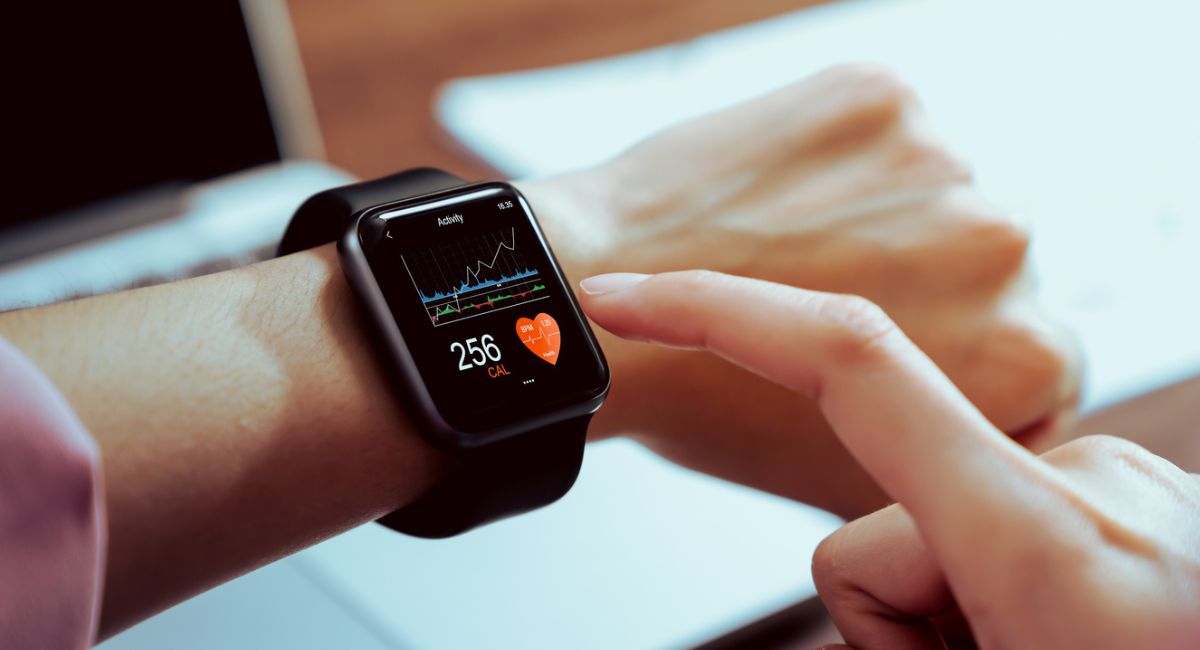
Everyone stares at their smart watch or fitness tracker—but are they reading fact or fiction? Bryan Hubbard reports
Smart watches have become the scourge of the fitness fanatic. Also known as fitness trackers, the watches are constantly looked at, checked and tapped by the putative athlete as they check their steps, heart rate, metabolism and calories burned. If they wear it at night, it will even tell them how well they slept.
Everyone seems to be doing it. Around a third of American adults and a quarter of UK adults wear a fitness tracker, and more are starting to wear one every year. The global market is projected to increase more than fourfold between 2024 and 2032, from $62.03 billion to $290.85 billion.
But if they are a scourge, smart watches are a positive one. By tracking our steps, we’re incentivized to move more and perhaps even to achieve the World Health Organization’s optimum of 150 minutes of physical activity a week.
But how accurate are they? A research team at Wellness Pulse, which explores health claims, did a trawl of the scientific literature to find out. They analyzed 45 scientific studies, focusing on three metrics: energy expenditure or calories burned, heart rate and step count, which all the smart watches measure.
The results focus on five brands: Fitbit, Apple, Garmin, Polar and TomTom, simply because they’ve been studied more. Other popular brands, such as the Samsung range, weren’t included because there wasn’t enough research on them.
The researchers discovered that the watches are pretty accurate when it comes to measuring heart rate, achieving a strong accuracy rate of 76 percent. However, they aren’t so good at tracking step counts and have an accuracy rate of 53–83 percent.
The overall winner is the Apple watch, which achieved an 86 percent accuracy score for heart rate and 71 percent for energy expenditure. But it’s not as good at tracking your steps as a Garmin watch.
Smart watches have an average overall accuracy score of just 67 percent, so take the readings with a grain of salt—but keep moving anyhow.1
Average accuracy rates of smart watches tested (%)
| Function | Accuracy rate |
| Step count | 68.8 |
| Heart rate | 76.4 |
| Energy expenditure | 56.6 |
| Overall accuracy | 67.4 |
Step count accuracy (%)
| Brand | Accuracy rate |
| Garmin | 82.6 |
| Apple | 81.1 |
| Fitbit | 77.3 |
| Jawbone | 57.9 |
| Polar | 53.2 |
Heart rate accuracy (%)
| Brand | Accuracy rate |
| Apple | 86.3 |
| Fitbit | 73.6 |
| Garmin | 67.7 |
| TomTom | 67.6 |
Energy expenditure accuracy (%)
| Brand | Accuracy rate |
| Apple | 71.0 |
| Jawbone | 65.6 |
| Fitbit | 56.1 |
| Polar | 50.2 |
| Garmin | 48.0 |
What do you think? Start a conversation over on the... WDDTY Community

Great news! Discounts are available based on your cart total. Check the details below: