Mushrooms, always considered a tasty food, are extraordinarily powerful natural medication. Cate Montana investigates the most potent varieties and what they treat.
In September 1991, the frozen mummy of a man who lived approximately 5,200 years ago was discovered in the Ötztal Alps on the border between Austria and Italy. The heavily tattooed man had an arrowhead in his left shoulder and was carrying two different species of mushrooms when he perished.
One was a tinder fungus used to transport warm coals to restart his fire. The other was a medicinal mushroom used to fight infections and intestinal parasites.
Mushrooms have been with us a long time. Over 2,000 years ago, Chinese doctors were using mushrooms to treat respiratory ailments and cancer. In ancient Japan, maitake mushrooms were so valuable they were worth their weight in silver. In 2019, the global market for medicinal mushrooms surpassed $51.8 billion.
Neither a fruit nor a vegetable, mushrooms are classified in the kingdom of fungi. The fruiting body of the mushroom—the part we eat—grows off the hyphae (the branching filaments of the mycelium, the hair-like structures that grow on and under the soil) and produces spores for reproduction.
Mushrooms (the fruiting body of fungi) and other fungi (the entire organism) have over 100 documented medicinal functions including antioxidant, anticancer, antiviral, antibacterial, antiparasitic, antifungal, anti-inflammatory, antidiabetic, antiallergic, and anti-cholesterolemic.
They are also immune system modulators, detoxifiers and cardiovascular protectors.1
“Mushrooms are super interesting nutritionally,” says Dr Megan Ware, a registered dietitian and nutritional professional in Dallas, Texas. “An apple is an apple. If you eat a Red Delicious compared to a Pink Lady apple, they’re not going to change your body physiologically. Whereas fungi have these completely different functions happening in the body depending upon the type.”
For example, for CrossFit athletes who require lightning-fast moves that consume a lot of oxygen for quick recovery times, she recommends a cordyceps supplement called Onnit. “Cordyceps helps increase oxygenation in your blood, so it can make it easier for you to breathe when you’re doing those high-intensity activities,” she says. “I recommend it as a pre-workout supplement, and the athletes I work with notice a big difference versus doing the same workout without taking it.”
When it comes to most common edible mushrooms like button mushrooms, crimini and portobellos, Ware places them in the same category as eating kale or quinoa. It’s a food that’s good for you because they have antioxidants and vitamins, minerals and fiber like most plant foods. And, like plants, it’s important to eat organically grown mushrooms.
“They’re not a miracle food like a lot of people would have you believe,” she warns. “Some specific mushrooms have functional benefits—things that are beneficial to your brain or to your immune system or helping you wind down at the end of the day. But you’re not really going to get those benefits from just throwing a couple mushrooms in your omelet in the morning. And you’re not going to find lion’s mane, chaga, turkey tail or reishi in your local grocery store very often. That’s where the mushroom supplements come in.”
No story about the health benefits of mushrooms would be complete without addressing the psychoactive aspects of some mushrooms, most notably psilocybin. In the early 1950s, psychedelics including psilocybin and LSD became widely used by psychologists and psychiatrists in research and clinical practice.
Between 1950 and 1965, tens of thousands of patients are estimated to have been successfully treated with “psychedelic psychotherapy.”2 Today after almost 50 years of demonization and classification as a Schedule I substance under the US Controlled Substances Act, although it’s still illegal in most US states and many countries worldwide, psilocybin is making a comeback as a therapeutic mental health agent.
Studies show that psilocybin-assisted therapy is highly effective in treating therapy-resistant major depressive disorder.3 Clinical studies with mice suggest that psilocybin might also be effective for treating post-traumatic stress disorder (PTSD) and related conditions.4
In a 2016 study, a single dose of the psychoactive compound found in psilocybin eased anxiety and depression in a group of cancer patients for more than four years. Researchers described the substantial and sustained decreases in depression and anxiety in patients with life-threatening cancer as nothing less than “mind boggling.”5
Psilocybin has proven highly effective in treating alcohol addiction,6 and it has also been successfully used to treat tobacco addiction. “When administered after careful preparation and in a therapeutic context, psilocybin can lead to deep reflection about one’s life and spark motivation to change,” says Mathew Johnson, PhD, an author on the study.
Psilocybin has additionally been shown to produce acute reductions in core symptoms of obsessive compulsive disorder,8 and in a small pilot study, psilocybin-assisted group therapy was found to assist older, long-term AIDS survivors.9
An author on that study, psychiatrist and addiction medicine specialist Dr Christopher Stauffer, MD, is continuing research into psilocybin-assisted therapy following these encouraging preliminary findings.
“I’m asked by colleagues and research participants all the time to describe a ‘typical’ psilocybin session,” he says. “I usually respond by asking them if they can describe a typical dream. Each individual’s process is so unique, even between two separate sessions.
“ To me, the work is about building connection and creating a safe container so that the participant can engage with their own inner healing capacity without distraction. The psilocybin is simply a catalyst. This breaks the mold of traditional mental health treatment, in which, all too often, the provider is touted as the expert on healing.”
Stauffer emphasizes the importance of adequate preparation and integration with a trained facilitator in any such therapy.
Eight mushrooms for your health and wellbeing
Although there are dozens of different kinds of mushrooms that have beneficial medical properties, here are eight of the most well-known and best studied. (Note: Women who are pregnant or breastfeeding are generally advised against taking any of the following mushrooms.)
REISHI MUSHROOMS
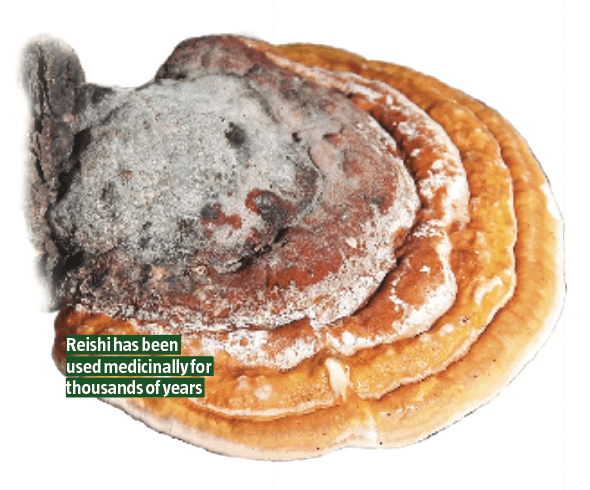
(Ganoderma lucidum) are a type of wood-degrading fungus. Reishi has been recognized as a medicinal mushroom for over 2,000 years. In traditional Chinese medicine it is used to treat conditions as wide-ranging as chronic bronchitis, hyperlipidemia (an abnormally high level of fats in the blood), high blood pressure, fatigue, headache, irritability, hepatitis, low white blood cell counts and cancer.
Reishi mushrooms contain more than 150 triterpenoids, a class of chemical compounds shown to help lower blood pressure and improve circulation. They are also high in polysaccharides, a type of carbohydrate that has blood pressure-reducing effects10 and can stimulate the immune system to combat infections and viruses.
Sterols (steroid-derived molecules) in reishi help reduce inflammation as well as allergic reactions in the body. Reishi mushrooms also have considerable blood sugar-lowering and anti-anemic effects that may be helpful in the treatment of diabetes.11
Benefits:
• Antitumor effects12
• Anti-inflammatory13
• Calming and sleep-promoting
• Helps curb obesity14
Consumption:
Dried reishi mushrooms are tough and bitter to eat, so supplements are probably the best approach. Reishi products are available in powders, dietary supplements and tea.
Dosage:
The best dosage of reishi mushroom extract or powder has not been determined and may vary widely. Check labels for the recommended dosage.
Contraindications:
Reishi supplements may cause blood-thinning or anti-clotting drugs to become more effective, which increases the risk of bleeding. Do not use if you have a bleeding disorder and discontinue use two weeks before surgery. Caution is advised for people with low blood pressure or taking blood pressure medication, as well as those taking immunosuppressants.
SHIITAKE MUSHROOMS
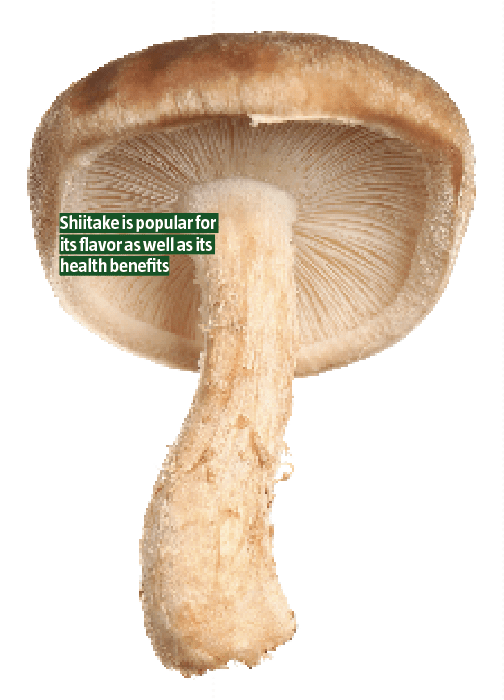
(Lentinula edodes) are found in the mountain regions of Japan, Korea and China and have been used as both a food and traditional medicine for over 1,200 years. Shiitake mushrooms contain high levels of natural copper, which supports blood vessels, bones and immune system function.
They are also a rich source of selenium, an important trace mineral that is currently being studied as a possible supplement to prevent Covid-19.15 They contain eritadenine, a compound that reduces cholesterol, and beta-glucans that reduce inflammation. A four-week study of 52 healthy men and women between 21 and 41 years old found that consuming either 5 g or 10 g of mushrooms daily resulted in improved cell function and gut immunity, lower inflammation, and changes in blood levels of immune signaling molecules called cytokines.16 Another study found mice that consumed a high-fat diet supplemented with shiitake powder had less weight gain and artery damage.17
Benefits:
• Anti-inflammatory
• Supports heart health
•Lowers cholesterol and aids circulation
Consumption:
Shiitake have a rich, earthy flavor often described as meaty. Both dried and fresh shiitake mushrooms are used in stir-fries, soups, stews and other dishes. Powders, extracts and other supplements are also available.
Dosage:
An appropriate range for shiitake mushroom supplements has not been determined.
Contraindications:
Shiitake may cause skin rashes and digestive problems in some individuals. It may increase the symptoms of autoimmune diseases such as multiple sclerosis, lupus and rheumatoid arthritis. Eosinophilia is a blood disorder that might be worsened by eating shiitake mushrooms.
LION’S MANE
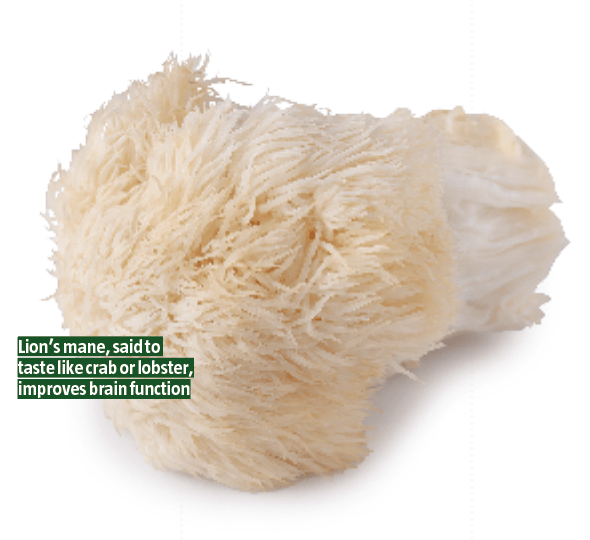
(Hericium erinaceus) is a white, globe-shaped fungus with long, shaggy spines. Lion’s mane enhances the immune system by reducing inflammation and preventing oxidation.18 Spores isolated from its fruiting body stimulate the production of nerve growth factor (NGF), a protein linked to brain development and function.19
Lion’s mane also increases myelin (an insulation around nerve fibers) and can stimulate the growth of brain cells.20 A double-blind, placebo-controlled trial of 30 50- to 80-year-old Japanese men and women diagnosed with mild cognitive impairment found that consuming 3 grams of powdered lion’s mane mushroom daily for four months significantly improved mental functioning, but these benefits disappeared when they stopped taking the supplement.21
Similarly, a 49-week double-blind placebo-controlled study of patients with mild Alzheimer’s disease found significant improvement in cognitive assessments in the group that took a lion’s mane supplement.22
Benefits:
• Increases cognitive function
•Mitigates Alzheimer’s disease symptoms
• Antidepressant
Consumption:
Often compared to the taste of crab or lobster, lion’s mane can be eaten raw, cooked, dried, steeped as a tea or taken as a powder or extract.
Dosage:
The two studies on cognitive function cited above used dosages of 3 g/day (four 250 g
tablets, three times a day) and 1,050 mg/day (one 350 mg
tablet, three times a day).21,22
Contraindications:
There are no known contraindications to lion’s mane.
CHAGA MUSHROOMS
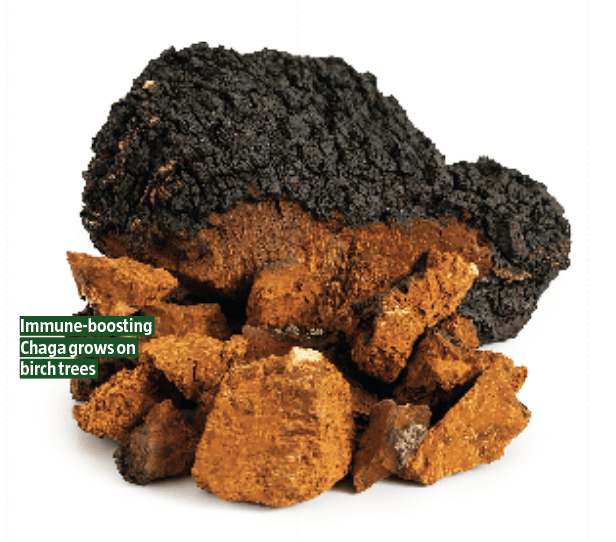
(Inonotus obliquus) resemble a dark clump of dirt more than a typical mushroom and grow mainly on the bark of birch trees in Canada, Siberia, Russia and Alaska. Used for centuries to boost immunity and improve overall health, studies show that chaga mushrooms contain beta-D-glucans (sugars) that can either stimulate the immune system or downregulate it when it is overactive.
Several compounds in chaga help reduce inflammation. The extracts have demonstrated strong antitumor activity and have been used to treat cancer in several countries.23 Chaga inhibits oxidative stress in the body, potentially slowing the aging process through the reduction of inflammation, and protects cells against free radicals.24
Benefits:
• Antiaging
• Anti-inflammatory
Dosage:
500 to 1,000 mg of chaga mushroom extract for boosting the immune system or as an anticancer agent.
Consumption:
Available only in supplement form
Contraindications:
Chaga mushrooms have a high oxalate content. Do not take if you have chronic kidney disease.
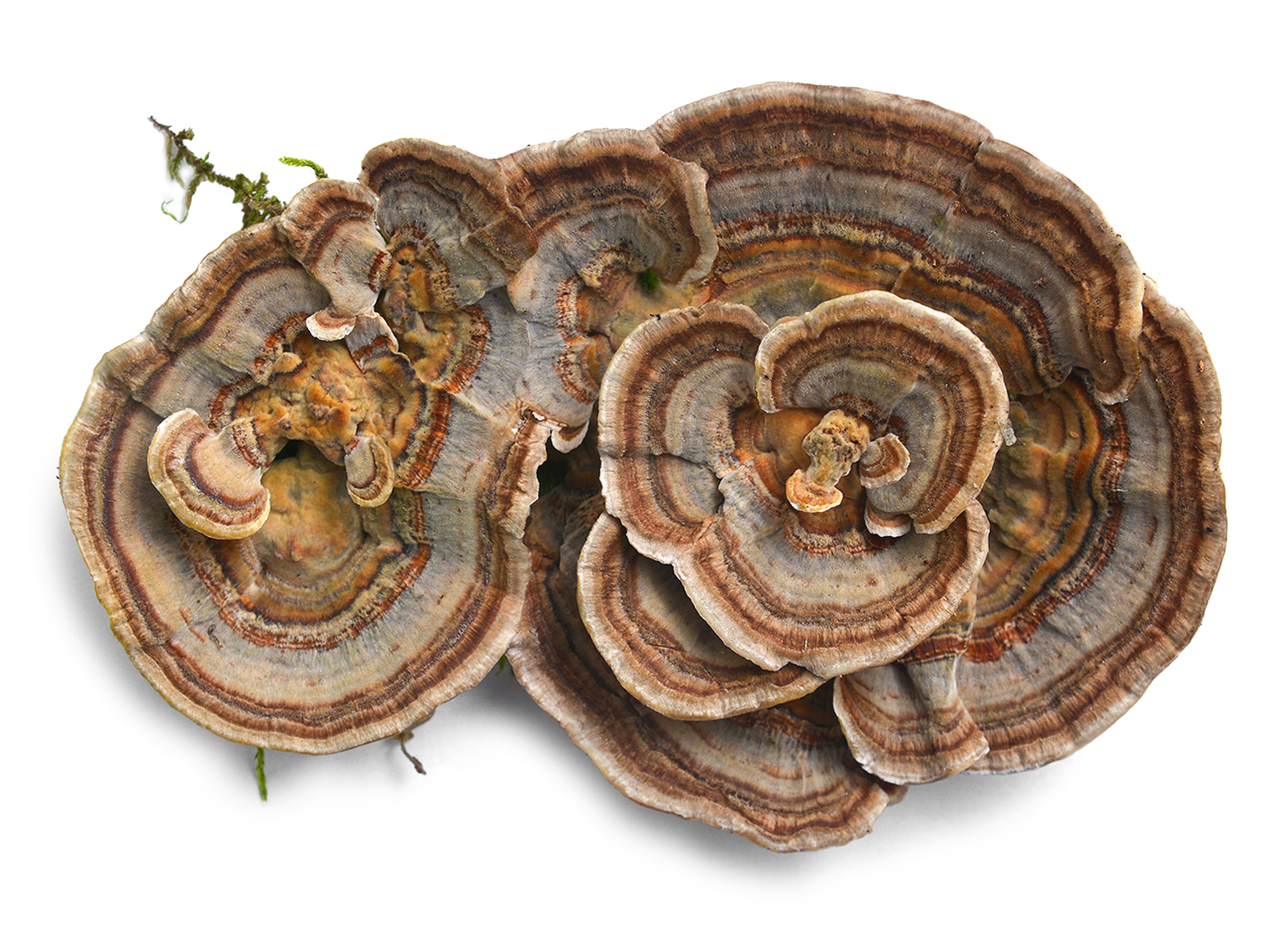
TURKEY TAIL MUSHROOMS
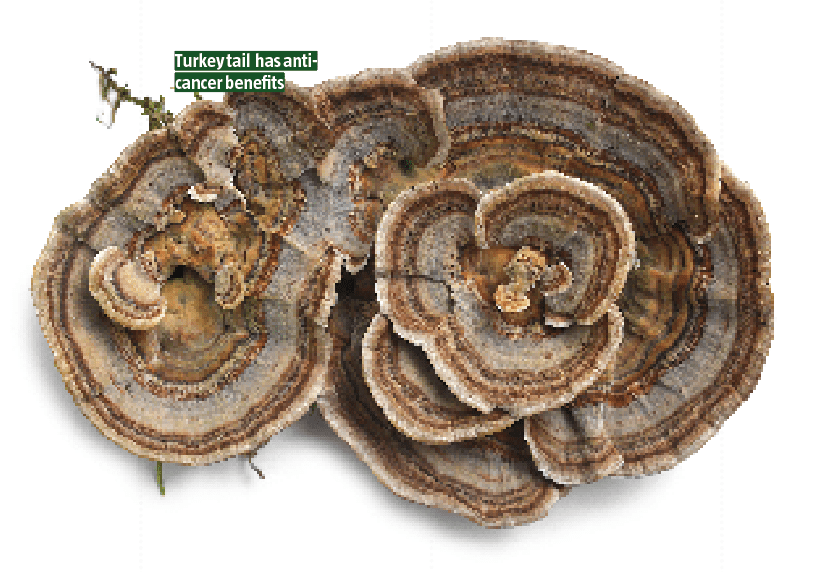
(Trametes versicolor) have a
disc-like shape and varying striated colors resembling a turkey’s tail. In traditional Chinese medicine, turkey tail extract (Yun zhi) is used as a treatment for respiratory conditions. Protein-bound polysaccharides (carbohydrates) PSK and PSP are present in the mushroom, and PSK has been studied in patients with cancer, such as breast, stomach and colorectal.
PSK as an adjunct therapy helps repair immune cell damage caused by chemotherapy and strengthens the immune system in patients with stomach cancer.25 PSP has also been shown to alleviate symptoms in patients with esophageal cancer, stomach cancer and lung cancer undergoing radiotherapy or chemotherapy, 26 and it increased levels of cancer-fighting immune cells in women with breast cancer.27 PSP is thought to exert these effects at least in part through its function as a prebiotic to regulate the intestinal microbiome.28
Benefits:
• Cancer prevention
•Mitigates adverse effects of chemotherapy and radiotherapy
• Strengthens lungs
Consumption:
Woody and chewy, turkey tail is most often served as a tea or powder in capsule form.
Dosage:
In colon, colorectal, and stomach cancer patients after surgery and chemotherapy, PSK has been used at doses of 3 g/day orally for up to 7 years (may be given alternating with 4-week courses of chemotherapy). PSP was administered to conventionally treated patients with stage III to IV non-small cell lung cancer at a dosage of 3.06 g/day for 1 month.
As a prebiotic, PSP was used at a dosage of 1,080 mg (3 capsules) three times daily
Contraindications
Contraindications have not been determined.
CORDYCEPS

(Ophiocordyceps sinensis or caterpillar fungus) is a fungus that lives on certain caterpillars in the high mountain regions of China, North America and Europe and traditionally has been used to treat diarrhea, headache, cough, rheumatism and liver disease. Referred to as “Himalayan Viagra” or “Himalayan Gold,” natural cordyceps is expensive and hard to find. Most cordyceps used for supplements is grown in a laboratory.
Cordycepin (3′deoxyadeno-sine) is a molecule found in cordyceps that has very potent anticancer, antioxidant and anti-inflammatory effects.29 Cordyceps has also been shown to enhance physical stamina by increasing cellular energy and to have antibacterial, antifungal, antiviral, larvicidal, anti-inflammatory, antidiabetic, antioxidant and antitumor properties.30
Benefits:
•Boosts energy
•Enhances blood flow and oxygen utilization
• Antibacterial
Consumption:
Available only in supplement form
Dosage:
Undetermined
Contraindications:
Be careful taking cordyceps with cyclophosphamide (trade names include Cytoxan and Neosar) and other immune suppressants like prednisolone. Cordyceps also slows blood clotting, so it should be avoided by people with bleeding disorders and should not be taken two weeks before surgery.
MAITAKE MUSHROOMS
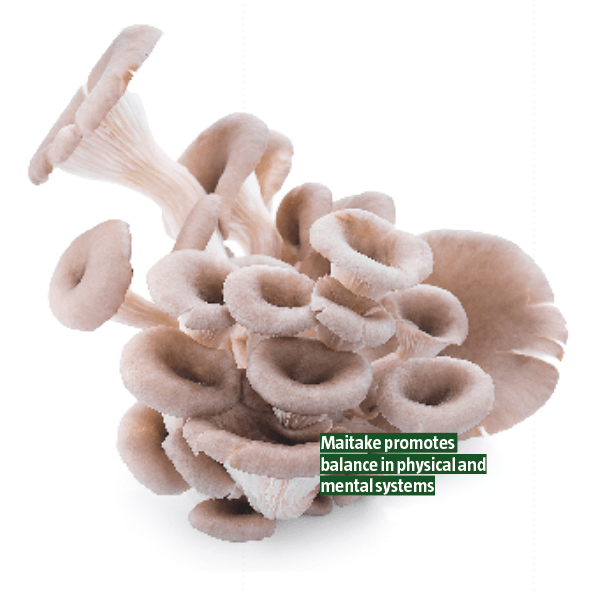
(Grifola frondosa) grow wild in parts of Japan, China and North America. Maitake means “dancing mushroom” in Japanese. An adaptogen (a natural substance that counteracts the effects of stress in the body), maitake regulates physical and mental systems of the body that have become unbalanced. It has a cholesterol-lowering effect,31 enhances antibody production in response to influenza vaccinations and mitigates the symptoms of the common cold.32
Benefits:
• Boosts immune response
• Antiviral
Consumption:
While edible, maitake is mostly considered to be a medicinal mushroom and taken as a supplement.
Dosage:
For disease prevention, dosages range from 12 to 25 mg of the extract; studies have also reported dosages ranging from 200 to 2,500 mg of whole powder daily.
Contraindications
No contraindications have been identified.
AGARICUS BLAZEI MUSHROOMS
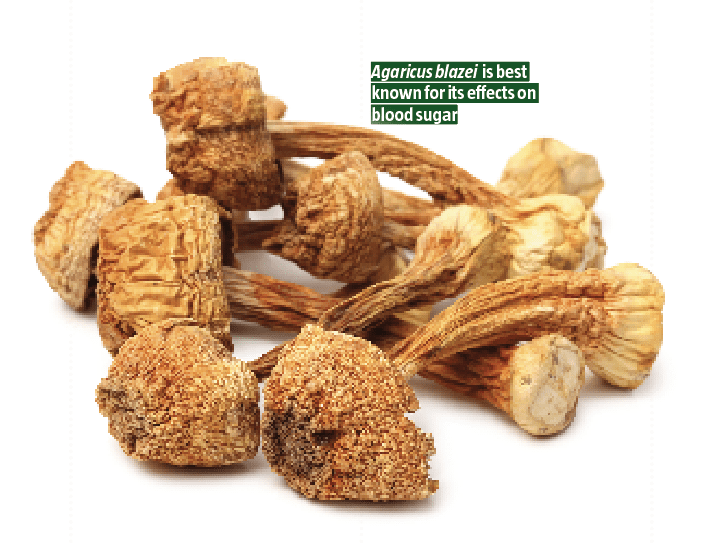
contain compounds that exert antioxidant, anti-inflammatory, antimicrobial, antitumor, and blood sugar-lowering effects. It improves blood glucose levels, and when used in combination with the diabetes drug metformin, a daily 1,500 mg dose of Agaricus blazei was able to improve insulin resistance and cut blood sugar levels by half compared to people given metformin alone.33
Agaricus blazei extract also improves liver function in patients with hepatitis B.34
Benefits:
• Lowers blood sugar
Consumption:
Agaricus blazei has a sweet flavor and is edible, but it is more frequently used medicinally.
Dosage:
For diabetes, 500 mg of Agaricus mushroom extract three times daily has been reported.
Contraindications:
May cause hypoglycemia in some people with diabetes and cause issues in patients with liver disease.
For more than 30 years, medicinal mushrooms have been approved for cancer treatment in Japan and China, both as a sole treatment and combined with radiation and chemotherapy. Many bioactive components in mushrooms have anticancer effects, including the polyphenol (plant nutrient) hispolon and the protein lectin.
Polysaccharides (carbohydrates made of sugar molecules) are the best known and most potent mushroom-derived substances, with antitumor and immune-modulating properties. They include lentinan, krestin, and Hericium polysaccharide A and B (HPA and HPB).1
“Mushrooms are rich in polysaccharides, which help bolster and maintain the structure of your cells, which is essential in having a healthy immune system,” says Taz Bhatia, MD, integrative medical doctor, acupuncturist and certified nutrition specialist. “These same ingredients also appear to complement conventional cancer treatments by increasing the effectiveness of chemotherapy and radiation and reducing side-effects such as fatigue, brain fog and nausea.”
Bhatia says that some mushrooms reduce bone marrow suppression, another serious side-effect of chemotherapy. “Mushrooms help bolster the production of bone marrow cells responsible for providing immunity, carrying fresh oxygen, and maintaining normal blood clotting. They also have been shown to shrink tumors.”
Another way that mushrooms help inhibit cancer proliferation is through their ability to stimulate cytokine production. Cytokines are small soluble proteins that act as intracellular mediators in an immune response.
Those that stimulate type 1 T helper cells may be beneficial in cancer treatment, as are those that decrease type 2 T helper cells and T regulatory cells, which control the immune response to self and foreign particles.
Reishi, cordyceps, turkey tail, Agaricus and maitake mushrooms are all known to downregulate the cytokines released from type 2 T helper cells, which aids in treating cancer.2
Some mushrooms work well in combination with commercial anticancer drugs for treating drug-resistant cancers. For example, hispolon, a polyphenol found in some mushrooms, is known to possess potent antitumor properties and can bolster the effects of chemotherapy drugs.
The types of mushrooms and delivery systems (powders, extracts, etc.) used in cancer treatment are far from standardized. Experimental studies on animals often inject purified mushroom extract, and the differing physiological impact of oral consumption of mushrooms versus extract injection is not well understood.
Proper dosages and forms of treatment for human studies are still being determined. In the West, mushrooms are considered as an adjunct therapy only.2
Risotto, lasagna, soups, stews, omelets, soufflés, stir fries, mushroom burgers, mushroom pizzas and melts… or how about a caramel-flavored porcini brûlée topped with honey-sage ice cream and Tonka bean meringue?
Mushrooms are superb additions to almost any meal in almost any form except raw. Raw mushrooms have tough cell walls, mainly made out of chitin, a fibrous substance consisting of polysaccharides, that makes them fundamentally indigestible without first cooking.
Mushrooms contain a lot of B vitamins and vitamin D in the form of ergosterol, and some mushrooms, such as reishi, have up to 25 percent usable protein. They are also a great source of phosphorus, potassium, selenium, zinc, copper, magnesium and other minerals, as well as a very good source of fiber.
Granted, even if properly cooked, serving sizes have to be large for most mushrooms to provide significant nutritional value. And forget trying to ingest them solely for medicinal purposes. But learning to cook with mushrooms is a fabulous way to add vital nutrients to your diet.
Two thousand years ago, in traditional Chinese medicine, mushrooms and herbs were made into teas for optimum delivery. Today there are many forms in which to consume mushrooms.
Quality medicinal mushroom products come in concentrated extract form as either a powder or liquid supplement. Both forms have outspoken advocates.
Powdered extracts should result from a multi-step process that breaks down the chitin. The form of the product (powder vs. liquid) isn’t important. What is important is bioavailability. Dehydrated and pulverized raw mushrooms are not bioavailable.
In either form, a dual extract or a hot water-extracted mushroom supplement is considered best.
Tinctures are liquid mushroom extracts made in alcohol. Along with mushroom teas, tinctures are not the most potent method of ingestion.
The key to finding a good mushroom supplement is to look for specific medicinal substances present in the ingredient list. Mycelium-based supplements are not advised. A mushroom and its mycelium (the white filaments that make up the vegetative
part of the fungus) show huge differences in their chemical makeup.
Mushrooms are the “fruiting body” of the fungus and produce greater amounts of medicinal beta-glucans and metabolites like triterpenoids. Because mycelium is typically grown on grain (often in sterile laboratories), mycelium products can contain as much as 70 percent starch, as opposed to mushrooms which contain less than 5 percent.
Even if the label says “mushrooms,” check the Supplement Facts panel.
|
References |
|
|
1 |
Int J Microbiol, 2015; 2015: 376387 |
|
2 |
Neuropsychopharmacology, 2017; 42: 2105–13 |
|
3 |
JAMA Psychiatry, 2020; e203285 |
|
4 |
Exp Brain Res, 2013; 228: 481–91 |
|
5 |
J Psychopharmacol, 2016; 30: 1181–97; J Psychopharmacol, 2020; 34: 155–66 |
|
6 |
J Psychopharmacol, 2015; 29: 289–99 |
|
7 |
J Psychopharmacol, 2014; 28: 983–992 |
|
8 |
J Clin Psychiatry, 2006; 67: 1735–40 |
|
9 |
EClinicalMedicine, 2020; 27: 100538 |
|
10 |
N Am J Med Sci, 2011; 3: 495–8 |
|
11 |
World J Diabetes, 2017; 8: 187–201 |
|
12 |
PLoS One, 2013; 8: e57431 |
|
13 |
Int Immunopharmacol, 2009; 9: 1272–80 |
|
14 |
Nat Rev Gastroenterol Hepatol, 2015; 12: 553–4 |
|
15 |
Nutrition, 2021; 82: 111053 |
|
16 |
J Am Coll Nutr, 2015; 34: 478–87 |
|
17 |
Faseb J, 2017; 31(S1): 973.3 |
|
18 |
Food Funct, 2017; 8: 1020–27 |
|
19 |
Tetrahedron Lett, 1994; 35: 1569–72 |
|
20 |
Int J Med Mushrooms, 2013; 15: 539–54 |
|
21 |
Phytother Res, 2009; 23: 367–72 |
|
22 |
Front Aging Neurosci, 2020; 12: 155 |
|
23 |
Heliyon, 2016; 2: e00111 |
|
24 |
Biofactors, 2004; 21: 109–1225. |
|
25 |
Lancet, 1994; 343: 1122–6 |
|
26 |
Gen Pharmacol, 1998; 30: 1–4 |
|
27 |
ISRN Oncol, 2012; 2012: 251632 |
|
28 |
Plant Foods Hum Nutr, 2013; 68: 107–12 |
|
29 |
3 Biotech, 2014; 4: 1–12 |
|
30 |
Cordyceps as an Herbal Drug. In: Herbal Medicine: Biomolecular and Clinical Aspects. 2nd edition. Boca Raton (FL): CRC Press/Taylor & Francis; 2011. Chapter 5. |
|
31 |
J Oleo Sci, 2013; 62: 1049–58 |
|
32 |
Funct Food Health Dis, 2017; 7: 462–82 |
|
33 |
J Altern Complement Med, 2007; 13: 97–102 |
|
34 |
J Altern Complement Med, 2008; 14: 299–301 |
What do you think? Start a conversation over on the... WDDTY Community

Great news! Discounts are available based on your cart total. Check the details below: