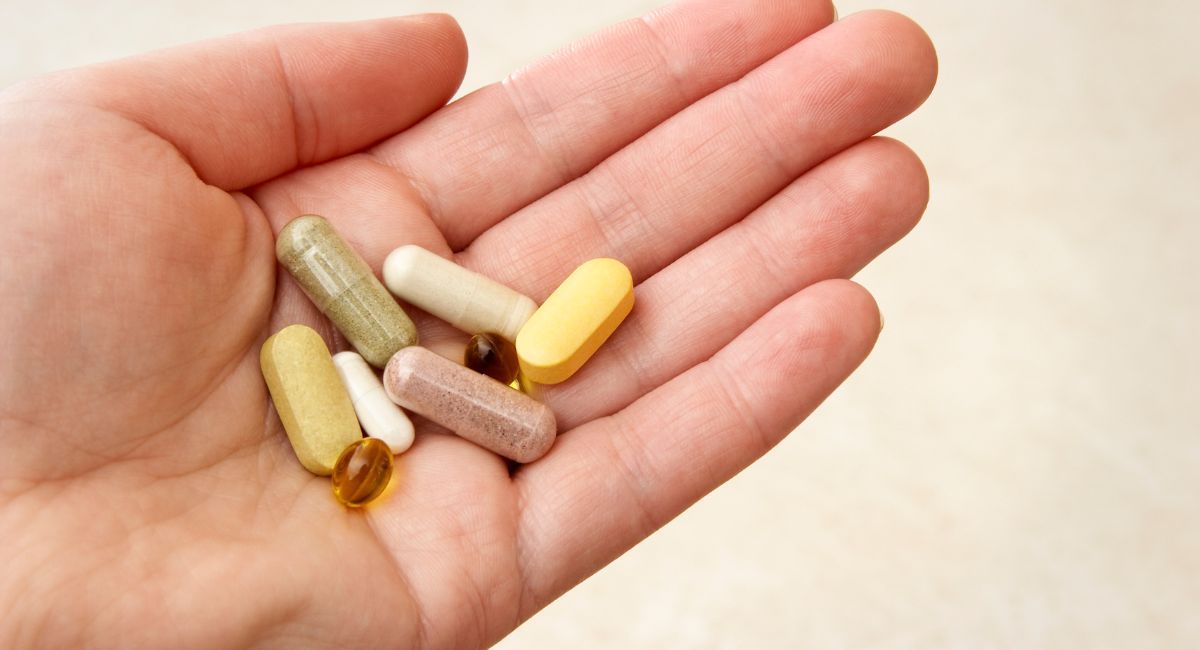
Vitamins and minerals help supplement a diet low in nutrients—but forget the recommended amounts if you want to alleviate, or even reverse, some common ailments, says Bryan Hubbard
As the adage has it, there’s a pill for every ill—but there’s a vitamin or mineral that can do the job, too. And we need our supplements. Studies have shown around 60 percent of people living in the affluent West are malnourished, which means they’re deficient in vital nutrients.
It’s no wonder. The average diet, dominated by processed food, is devoid of nutrients, and even the real food we eat is grown in soil that has been so intensively farmed that there’s hardly any goodness left for plants to absorb.
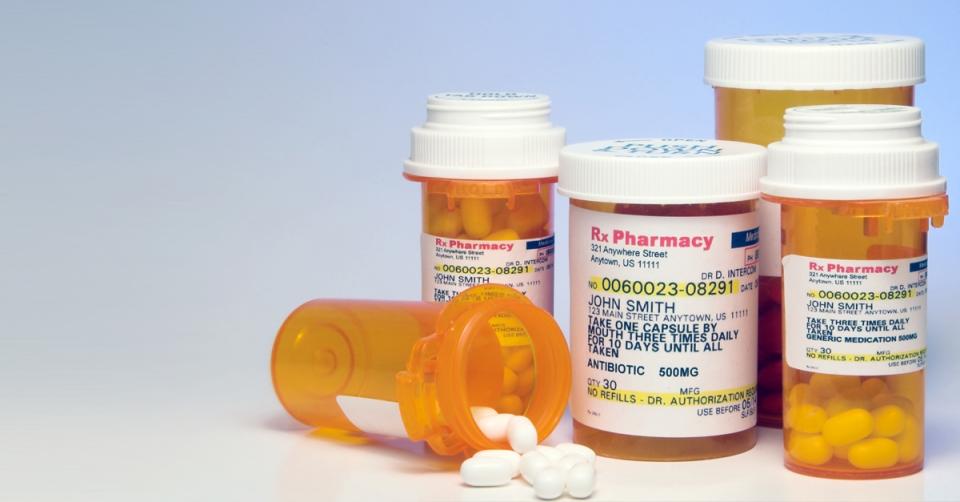
Those of us who supplement with vitamins usually follow the dose specified by the US RDA (Recommended Daily Allowance) or UK RDI (Recommended Daily Intake). These doses are the minimum required to prevent disease—the RDA for vitamin C is 80 mg, for example, and that’s the amount required to protect you from scurvy.
Taking RDA dosages won’t help you achieve flourishing, blossoming health or reverse a health problem. A better measure for that is the SONA (Suggested Optimal Nutritional Allowance), which was developed by Emanuel Cheraskin, an American physician.
Here’s a tour of the body, highlighting typical ailments that can afflict us and the SONA dosages of vitamins or minerals that can help reverse, or at least alleviate, the problem. For those without dosages, consult your practitioner.
Eyes
Night blindness / dry eyes: vitamin A (retinol / beta carotene, 3750 mcg)
Poor night vision: zinc (25 mg)
Cataracts: chromium (100 mcg)
Retinopathy (severe eye damage): vitamin E (tocopherol, 60 mg)
Sensitivity to light: magnesium (350 mg)
Mouth
Bleeding gums / gum disease: vitamin C (750 mg); vitamin B9 (folate, 400 mcg)
Sore tongue and lips: vitamin B2 (riboflavin, 12.5 mg)
Sore and painful tongue: vitamin B3 (niacin, 50 mg)
Pale tongue: iron (15 mg)
Hair
Premature graying: vitamin B12 (cobalamin, 12.5 mcg)
Hair loss: vitamin B7 (biotin, 75 mcg)
Muscle weakness: vitamin D (calciferol, 500 mcg)
Osteoporosis: vitamin K (80 mcg RDI); calcium (700 mg)
Carpal tunnel syndrome: vitamin B6 (pyridoxine, 12.5 mg)
Tender calf muscles: magnesium (350 mg)
Muscle pain/cramps: potassium (180 mg)
Rheumatoid arthritis: omega-3 and -6
Bone loss: manganese (10 mg)
Easy bruising: vitamin K (80 mcg RDI)
Dry skin: vitamin C (750 mg)
Greasy skin: vitamin B2 (riboflavin, 12.5 mg)
Poor skin: vitamin B7 (biotin, 75 mcg)
Dermatitis: vitamin B6 (pyridoxine, 12.5 mg)
Itchy skin: iron (15 mg)
Shaky hands: vitamin B1 (thiamine, 12.5 mg)
Tingling in hands and feet: vitamin B12 (cobalamin, 12.5 mcg)
Numbness in fingers: calcium (700 mg)
Brittle nails: magnesium (350 mg); iron (15 mg)
Cardiovascular disease: vitamin D (calciferol, 500 mcg)
Arrythmia (irregular heartbeat): calcium (700 mg)
Cardiomyopathy (heart muscle disease): selenium (50 mcg)
Poor heart function: coenzyme Q10
High blood pressure (hypertension): magnesium (350 mg)
Constipation: vitamin B12 (cobalamin, 12.5 mcg)
Loss of taste or appetite: zinc (25 mg)
Sugar cravings: chromium (100 mcg)
Impaired immune system: vitamin E (tocopherol, 60 mg)
Persistent infection: vitamin C (750 mg)
Frequent colds: zinc (25 mg)
Slow wound healing: manganese (10 mg)
Thyroid problems (swelling, hypothyroidism): iodine (125 mcg)
Pernicious anemia: vitamin B12 (cobalamin, 12.5 mcg)
Fatigue: vitamin B12 (cobalamin, 12.5 mcg)
mcg: micrograms (1 million mcg = 1 g)
mg: milligrams (1,000 mg = 1 g)
What do you think? Start a conversation over on the... WDDTY Community

Great news! Discounts are available based on your cart total. Check the details below: