We literally cannot breathe. The latest figures, according to the US Centers for Disease Control and Prevention (CDC), show that 1 in 13 of all Americans have asthma, adding up to more than 25 million, or about 8 percent of all adults and children.
Figures for asthma in the UK are proportionately just as bad, with 5.4 million British people—or 1 in 11 children and 1 in every 12 adults—currently receiving treatment.
And though the number of cases isn’t increasing in the UK, it’s not going down, either. Currently, Great Britain has some of the highest rates of asthma in Europe—so bad, in fact, that every single day about three people can be expected to die from it.
Pollution, from car and exhaust fumes, is said to account for about a quarter of all cases, but other culprits include everything from food allergies to household bleach, PVC and other indoor air pollutants and chlorine in swimming pools.
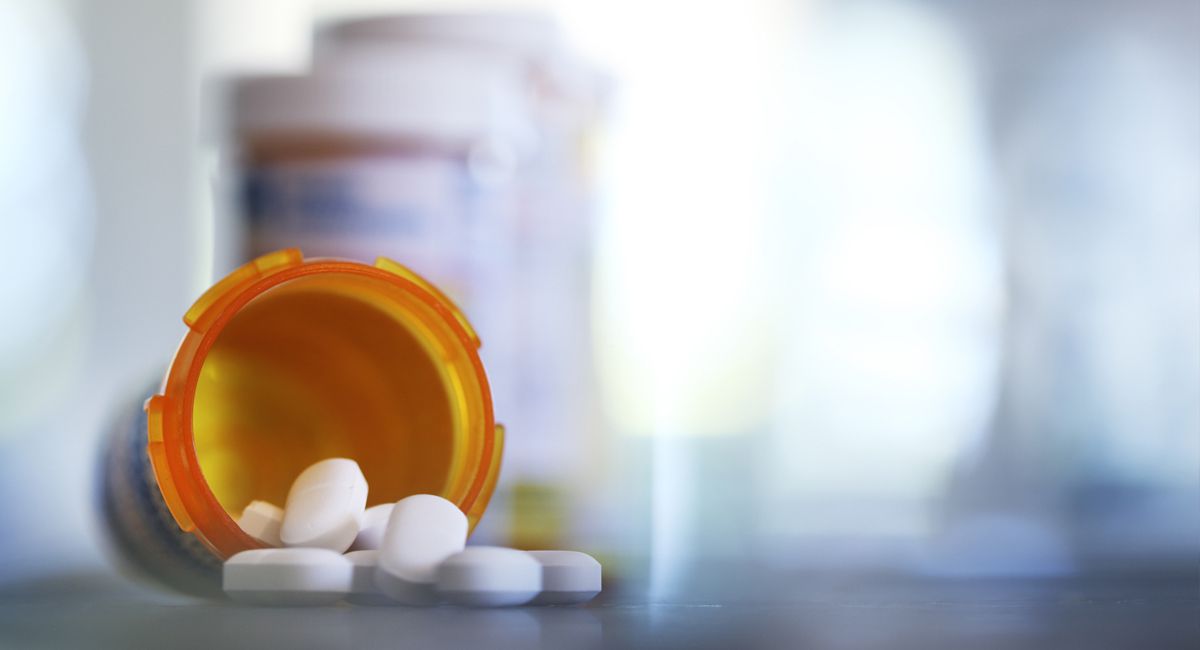
But whatever the various causes, conventional medicine has only managed to combat asthma by suppressing symptoms through the use of inhalers, containing drugs such as long-acting beta-agonists (LABAs) or steroids, considered the mainstay of most asthma treatment.
But LABAs have been linked to a risk of anaphylactic reaction to the drug and even cancer, which can prove fatal. But even if the drugs don’t kill you, they could lead to . . . severe asthma.
Inhaled steroids don’t fare much better, as they’ve been shown to leave patients at higher risk of potentially fatal pneumonia, stunted growth (an issue especially for children using these puffers), lower bone density, skin thinning and even altered fat metabolism.
All this, and as research from the University of Pittsburgh has discovered, the drugs don’t work in up to 10 percent of asthmatics, and they’re only making symptoms such as inflammation even worse.
All steroid inhalers have been found to restrict children’s growth, particularly in the first year after starting treatment.
With these kinds of dangers, patients are desperate for a safer alternative. In fact, one University of Cincinnati study found that 80 percent of young people with asthma were turning their backs on these conventional drugs and seeking out alternative medicine—everything from meditation, herbs and relaxation technique to prayer.
Certain supplements such as fish oils, vitamin C, magnesium, selenium and zinc have all been shown to help alleviate breathlessness, particularly when all taken together, as have herbs such as the Ayurvedic treatment Amrita Bindu.
In one study of children given 250–500 mg of Amrita Bindu twice a day after meals, most were able to stop their asthma medication and no longer suffered asthma attacks.Yoga and acupuncture also have fared well in improving lung function.
But perhaps the most surprisingly effective treatment of all doesn’t require any extra products, supplements, music, yoga mats or even a practitioner to work.
As we feature on page 70, alternative therapist Alison Waring has been healing her asthmatic patients by simply helping them learn how to breathe better.
While suffering from asthma herself, Alison came across the Buteyko breathing technique, developed by Russian doctor Konstantin Buteyko in the 1950s after he observed the breathing patterns of hundreds of hospitalized patients.
Buteyko developed a system of breathing based on the theory that most asthma patients overbreathe, reducing the body’s carbon dioxide levels and starving the body’s tissues of oxygen as a result.He went on to create a system that retrains the body to breathe properly.
What independent research has been done on this method is impressive, showing that patients following the Buteyko technique are able to lower their medication.
In one, when compared to a sham yoga breathing technique among 90 patients, those using Buteyko reported improved symptoms and the use of less inhaled medication, as did the Buteyko group in two other studies when compared with a ‘dummy’ breathing technique.
Although the studies were at most four months long, all showed that patients were able to continuously lower their medication. In one Australian study, the patients using Buteyko had stopped hyperventilating.
Practitioners like Alison who use Buteyko are demonstrating that intractable illnesses like asthma may not require expensive and sophisticated solutions, but simply altering something fundamental in the way we live. The problem isn’t so much that so many of us can’t breathe, but that in our modern, frantic lives, we’ve simply never learned how to slow down and take a deep breath.
What do you think? Start a conversation over on the... WDDTY Community

Great news! Discounts are available based on your cart total. Check the details below: