The other day we were having lunch with the amazing Gina Lazenby, bestselling author, speaker and mentor for women leaders and entrepreneurs. Gina is one of the best multitaskers we know. A consummate networker, she loves to hold women’s circles and put people together, focusing on the rise of the feminine (the title of her forthcoming book).
Gina is also passionate about healthy living. In 2000 she and her partner created the Healthy Home (stayatthehealthyhome.wordpress.com), a successful experiment in renovating a traditional stone cottage in the Yorkshire Dales. Their plan was to create a cozy, modern interior for retreats with the minimum of chemicals and disturbance from electromagnetic fields (EMFs) and renovated with natural materials.
Amid this flurry of activity, most recently Gina has become a part-time carer. She cooks for her parents, both well into their nineties, one with late-onset dementia, and for a close friend, who was diagnosed with Parkinson’s disease just before the Covid-19 pandemic.
The common issue in her three charges is a brain essentially on fire, and Gina has learned a great deal about what kinds of treatments can heal an inflamed brain. Under her direction, her mother and friend use red-light therapy, ozone chambers, exercise and activities to engage the brain.
But what possibly makes the greatest difference is the foods she gives them. Gina is a wonderful holistic cook who grows some of her own organic food. She has long known that eliminating sugar and adding certain healing substances can reduce brain shrinkage and reawaken parts of the brain that aren’t working well. Lately she’s found evidence that nettles, which grow wild all around her home in the Yorkshire Dales, used in soups or as a tea, can reduce free radicals and boost learning, brain function and mood.
Early on, Gina realized that modern medicine had no real solutions to an ailing brain. In fact, the latest Alzheimer’s drug, lecanemab, an anti-amyloid immunotherapy treatment hailed in the news as a wonder drug for the disease, is based on a faulty premise and causes a horrific list of side effects. And with Parkinson’s, doctors dispense dopamine-replacement drugs that can eventually stop working and tell their patients to expect a slow and steady decline.
What is missing from the current medical model is the extraordinary role of diet. There’s no doubt that ultra-processed food is hugely toxic to the brain; those with type 2 diabetes (a consequence of a high-sugar diet) double their risk of developing Alzheimer’s disease. And Parkinson’s, which disturbs the brain’s ability to control the nervous system and movement, also appears to start in the gut.
In the 1990s, leading nutrition expert Patrick Holford set up the Brain Bio Centre within the Institute for Optimum Nutrition to treat people suffering from an array of mental health issues. In the process, he discovered the work of people like Helga Refsum, professor of nutrition at the University of Oslo, whose studies showed that nutritional treatment could reduce shrinkage by a whopping 73 percent in the areas of the brain typically affected by Alzheimer’s.
As Holford writes in Food for Thought: The Best Diet to Beat Dementia, from his new book Upgrade Your Brain (Thorsons, 2024), a healthy diet lowers your risk of developing Alzheimer’s by up to 92 percent. A healthy diet as he defines it is essentially a Mediterranean diet: chock full of fish, fruits and vegetables, legumes, whole grains, nuts and seeds, and even some red wine.
Vitamin and mineral supplements are also key to keeping your brain sharp, but one of the most important of all for brain health, again overlooked by the medical profession, is a B-complex vitamin pill.
Much of brain inflammation starts with a deficiency of B vitamins, particularly B12. Holford writes about the link between dementia and excess levels of homocysteine, the amino acid that attacks arteries and ultimately affects the heart.
Some 80 percent of dementia cases could be avoided, he estimates, by taking one B-complex vitamin and omega-3 fatty acids from either seafood or supplements. Together they mop up excess levels of homocysteine, healing both the heart and the brain.
This is particularly vital since an estimated 50 percent of people over 65 have raised blood homocysteine.
The same goes for Parkinson’s disease. According to research from Japan, Parkinson’s is caused by a gut losing its ability to process vitamins B2 (riboflavin) and B7 (biotin).
Gina, who makes healthy soups with many of these ingredients for her parents and her friend, has seen a difference. Her mother is holding steady, and her friend (in his early 60s) has shown huge improvements. When first diagnosed, he lost feeling and mobility in his left side; today he can balance on one foot with the other leg and both arms extended.
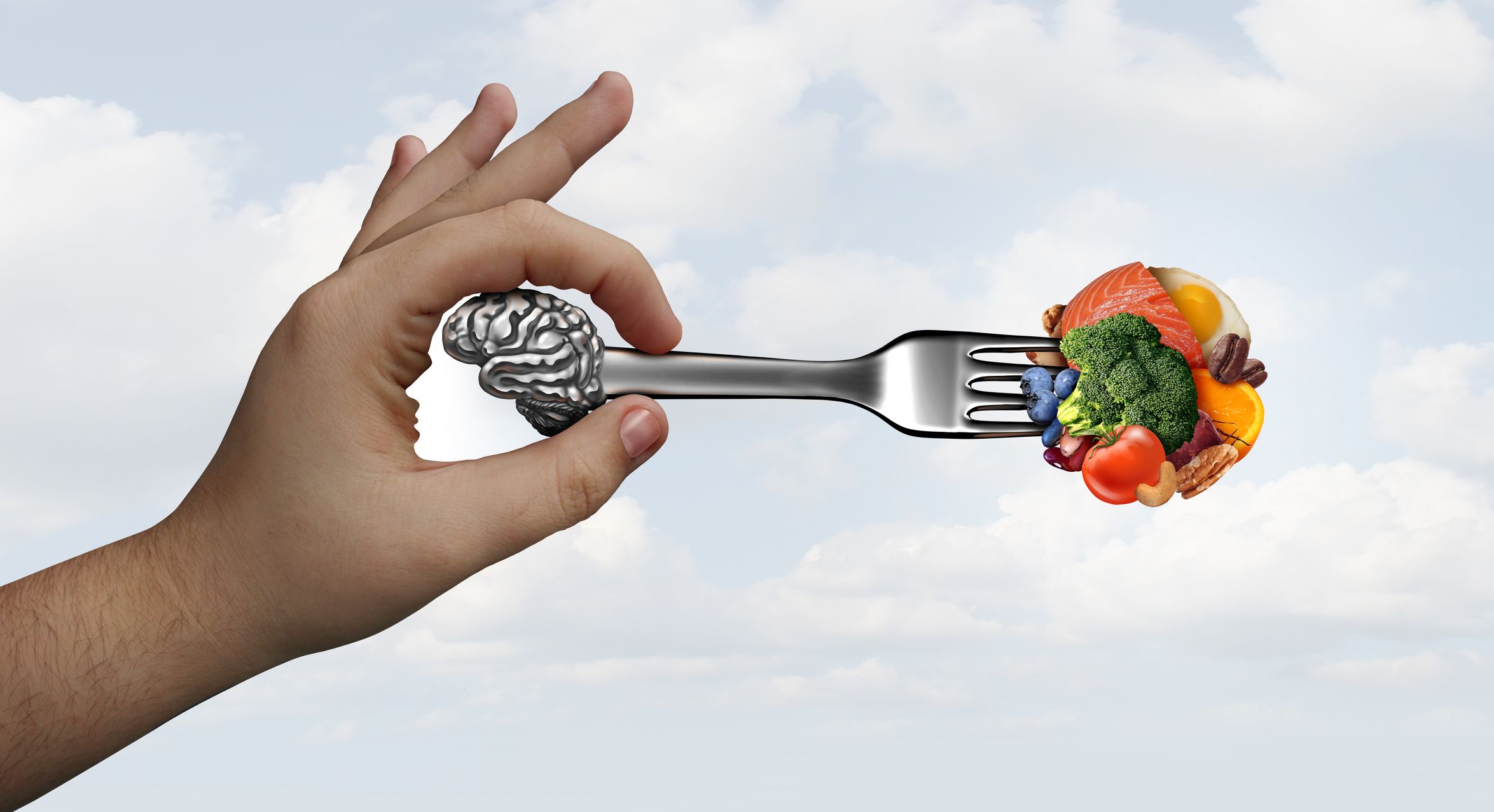
The point is that cognitive decline with age isn’t inevitable. It can be prevented so long as you maintain a healthy respect for what you feed your head.
What do you think? Start a conversation over on the... WDDTY Community

Great news! Discounts are available based on your cart total. Check the details below:


