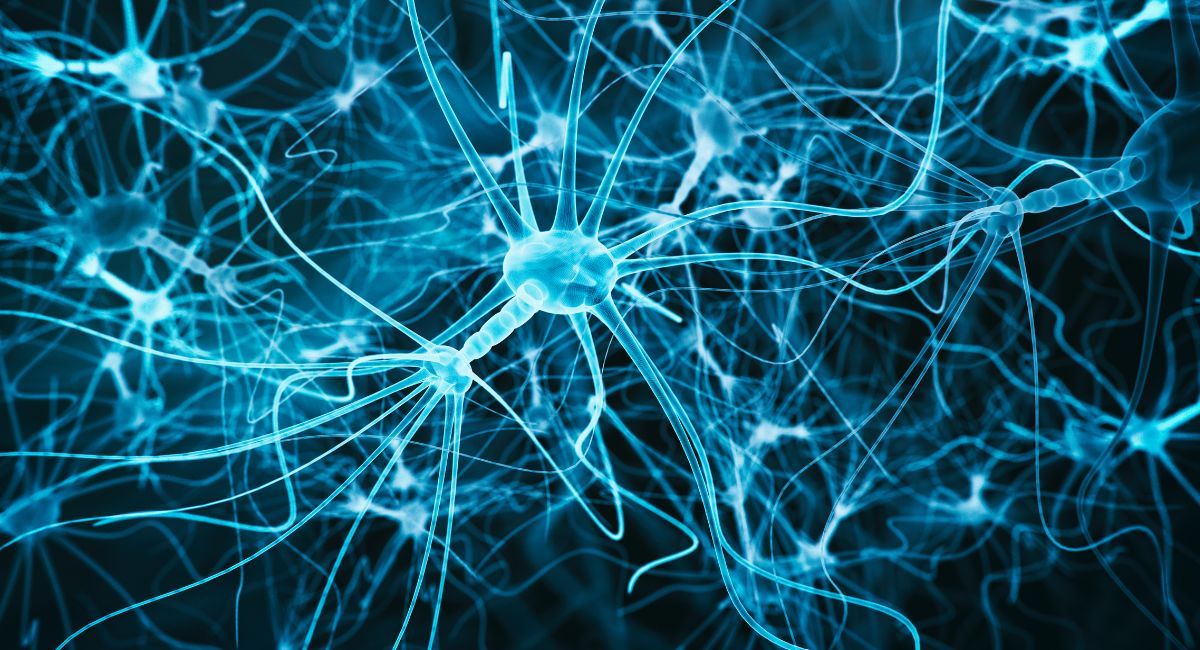
Depression is nothing to do with serotonin, the chemical targeted by antidepressants, but everything to do with the brain’s ability to make new neurons.
New research has discovered that severe depression affects the production of neurons in the brain’s hippocampus, potentially weakening its ability to separate new experiences from painful memories.
Researchers at Columbia University’s Vagelos College of Physicians and Surgeons have found that severe depression interrupts neurogenesis, the brain’s ability to make new neurons.
It seems to especially affect the hippocampus, the region of the brain that regulates memory and emotions, and this could explain why depressed people interpret experiences more negatively.
A healthy hippocampus can differentiate between the emotional imprint of past events and things happening in the present moment, an ability known as pattern separation. When it becomes impaired, individual memories and the emotions attached to them may become less distinct, allowing separate experiences to blend together.
It’s complicated, and there’s much more to learn, but it’s clear that depression can’t just be explained by an imbalance of serotonin, a chemical that helps messaging between neurons, and which is the target of SSRI (selective serotonin reuptake inhibitor) drugs.
What do you think? Start a conversation over on the... WDDTY Community

Great news! Discounts are available based on your cart total. Check the details below: