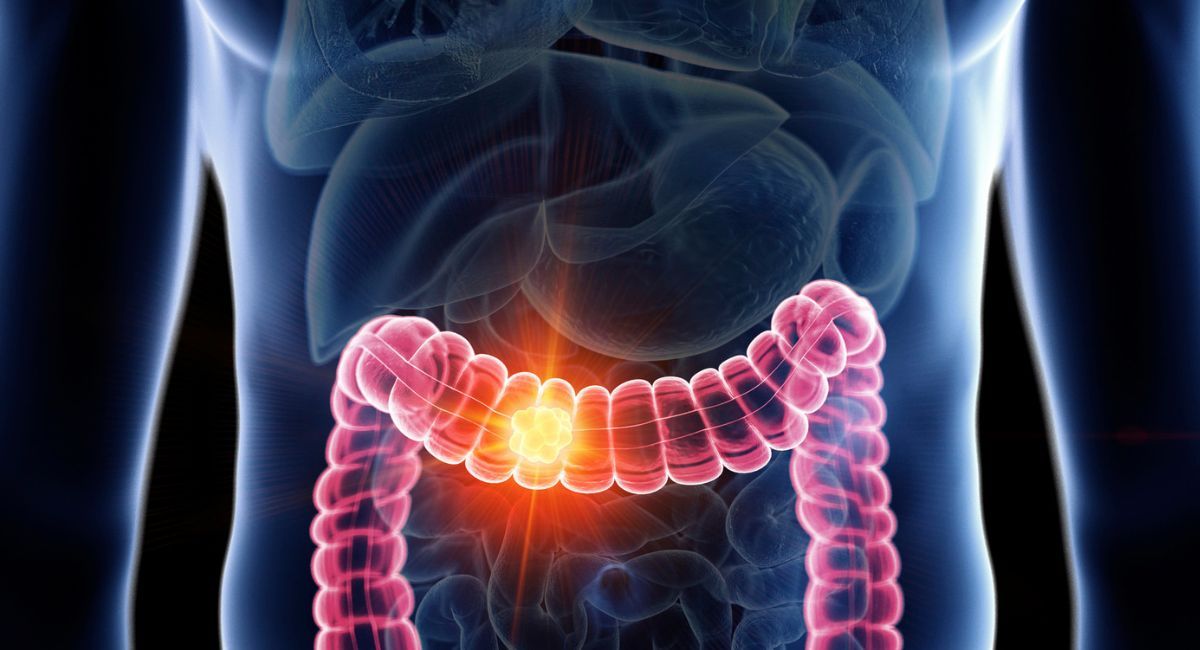
There’s hope for victims of bowel cancer, also known as colorectal cancer, from the unlikeliest of sources—a frog.
Bacteria from the intestines of frogs has eliminated the cancer in one session by killing cancer cells and kickstarting the body’s own immune response, say researchers from the Japan Advanced Institute of Science and Technology.
This instant recovery has so far been seen only in mice, and so the researchers say they can’t be sure they would see the same success in people, but they are hopeful that the therapy could one day be used on all solid tumours.
The bacterium with powerful cancer-fighting qualities comes from the intestines of the Japanese tree frog. The researchers had collected 45 bacterial strains from the intestines of the frogs, and from Japanese fire belly newts and Japanese grass lizards. After screening the bacteria for anticancer activity, nine strains showed promise, with Ewingella americana from the tree frog being the most potent.
It completely eliminated colorectal cancer tumours in mice that had been given one intravenous shot, producing a 100 percent complete response (CR) rate. It outperformed existing cancer therapies such as immune checkpoint inhibitors (anti-PD-L1 antibody) and the chemotherapy drug liposomal doxorubicin.
The bacteria seem to attack the tumours in two ways: E. americana directly attacks the cancer by multiplying 3,000-fold in oxygen-deprived areas of the tumour, damaging the cancer cells in just 24 hours, and they also stimulate the immune system by attracting our killer T cells and B cells to the tumour.
The researchers were surprised to see that the bacteria seemed to almost exclusively target cancer cells and ignore healthy cells. They think it’s because they are attracted to the low-oxygen environment of cancer cells that encourage bacterial growth, and also because cancer cells are ’leaky’, which allow the bacteria to easily enter.
There were hardly any side effects to the therapy. The bacteria were rapidly cleared from the bloodstream, with a half-life of approximately one hour, and they were undetectable within 24 hours. No bacterial colonization was detected in healthy organs, including the liver, spleen, lungs, kidneys, or heart. It caused mild inflammation that disappeared within three days.
The researchers want to test the therapy on solid tumour cancers, such as breast cancer, pancreatic cancer, and melanoma. They also want to test different doses and injecting directly into the tumour.
What do you think? Start a conversation over on the... WDDTY Community

Great news! Discounts are available based on your cart total. Check the details below: