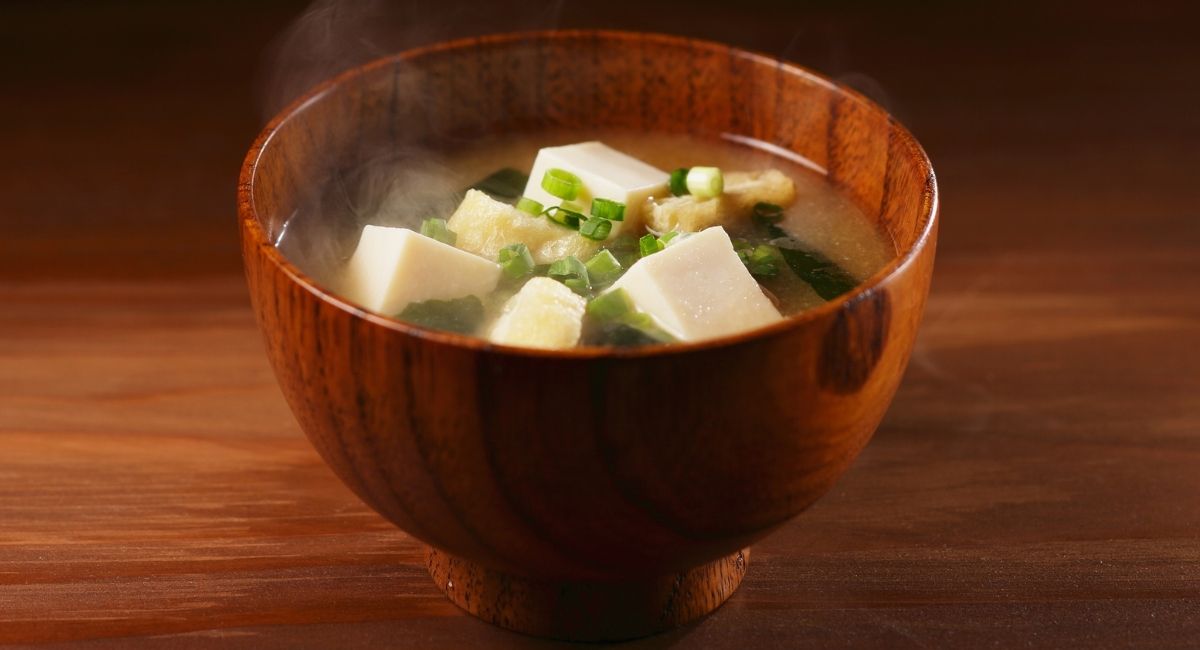
Staples of the Japanese diet can keep blood pressure levels in check and reduce your risk of developing hypertension (high blood pressure).
Eating a diet rich in soy-based foods—such as tofu, edamame, tempeh and miso—reduces the risk of hypertension by around 19 percent.
Legumes—which include lentils, peas, beans and chickpeas—have a similar protective effect, reducing the risk of developing hypertension by 16 percent.
The more of these foods you eat, the greater the protective effect, says a BMJ review. Eat up to 60 to 80 grams (3 ozs) of soy-based foods every day and the hypertension risk falls by as much as 30 percent, and similar results are achieved when eating 170 grams (6 ozs) of legumes daily.
One 100 grams serving of legumes or soy is roughly equal to one cup, or five to six tablespoons of cooked beans, peas, lentils, chickpeas, or soybeans, or about a palm-sized serving of tofu.
Legumes and soy foods are rich in potassium, magnesium, and dietary fibre, nutrients that support healthy blood pressure, the researchers say.
Soluble fibre from legumes and soy can be fermented in the gut to produce short chain fatty acids, compounds that may help blood vessels relax and widen. Soy foods also contain isoflavones, plant compounds that may contribute to lower blood pressure levels.
We have a way to go if we’re going to consume more of these healthy foods. Current legume consumption across Europe and the UK remains below dietary recommendations, with average intakes of only 8-15 g a day.
What do you think? Start a conversation over on the... WDDTY Community

Great news! Discounts are available based on your cart total. Check the details below: