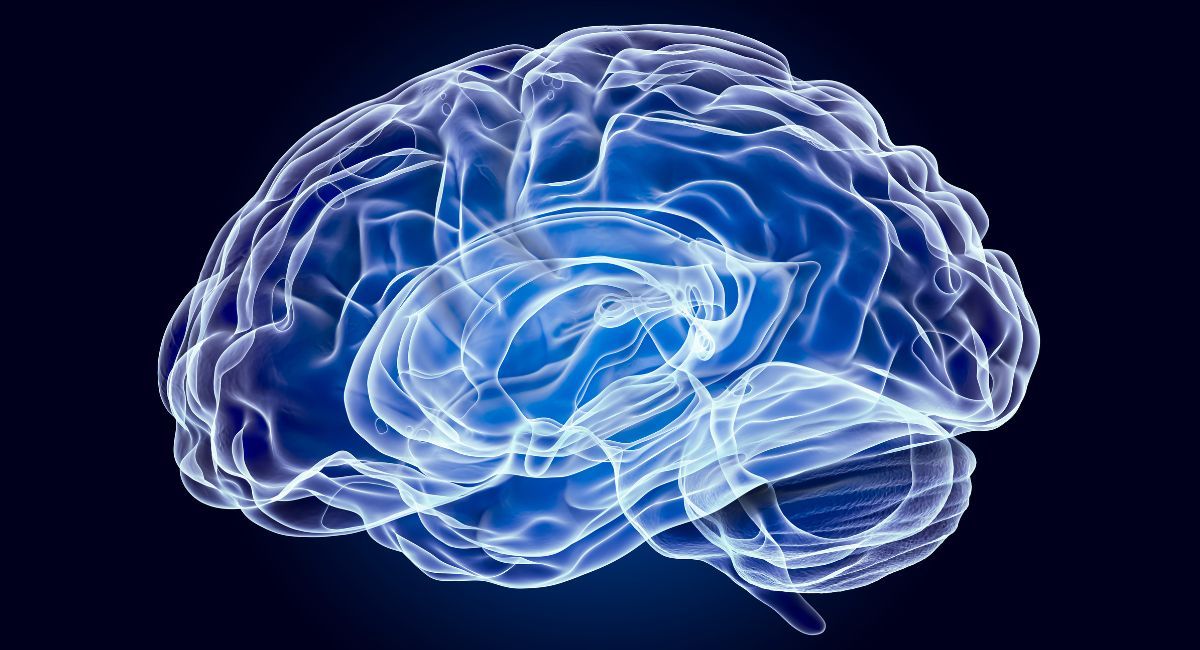
Has menopause left you foggy, forgetful and unfocused? Holistic menopause expert Dr Mindy Pelz explains how eating the right foods at the right times can help reboot your brain and restore mental clarity
When Renee first began following my nutrition and fasting programs, her goal was simple: She wanted to lose stubborn postmenopausal weight. But what she didn’t expect was how these shifts in what and when she ate unlocked her brain.
For years, Renee had walked through her days in a fog. Her thoughts felt heavy and disconnected, her decision-making slow and uncertain. She chalked it up to aging and hormones, not realizing that her brain was desperately asking for a new kind of fuel. The moment she started implementing consistent fasting cycles, she felt her mind wake up.
As Renee’s mental clarity improved, so did her confidence. The scattered, indecisive version of her was replaced with a woman who could articulate her thoughts with ease and trust her inner voice again. Even her vision improved.
It was as if someone had wiped the mental smudges off her lens. What she thought was just “menopause brain” was actually her brain craving metabolic flexibility.
Millions of other women have used my programs with great success to lose weight and brighten their brains. Here’s what you need to know to revive your brain in menopause and beyond.
Estrogen plays a critical and multifaceted role in a woman’s metabolism, particularly when it comes to glucose regulation and insulin sensitivity. Just like a car needs fuel to run properly, so does your brain. When you’re cycling, your brain thrives on two major fuel sources: glucose (which comes from the breakdown of food) and ketones (acids your liver produces when it breaks down stored body fats).
During the reproductive years, estrogen helps enhance insulin sensitivity and supports the body’s ability to effectively metabolize glucose, allowing cells—especially in the brain and muscles—to efficiently convert glucose into energy. This metabolic harmony helps keep weight stable and the brain functioning with clarity.
Estrogen’s influence on glucose metabolism is one reason that before menopause, women are generally more metabolically flexible and have a more robust capacity to burn sugar as fuel. Once estrogen begins to decline during perimenopause and menopause, everything shifts.
Without the steady presence of estrogen, a woman’s body—and, more importantly, her brain—becomes less efficient at using glucose, or it becomes less glucose sensitive. Insulin, your glucose storage hormone, becomes less effective at escorting glucose into your neurons to be used for energy.
One of the major brain challenges for today’s menopausal women is that food is readily available. In the primal days, they didn’t have access to food all day long. Highly refined, ultraprocessed foods didn’t exist. They fasted and ate what nature provided.
Today, the foods we’re eating create massive glucose spikes in our system. Yet our postmenopausal brains are no longer built to handle that much glucose. And we feel it.
This metabolic stress contributes to brain fog, memory lapses and mood instability. It can also set the stage for long-term neurodegeneration. If the neurons in your brain can’t use glucose, the extra glucose floats in your bloodstream, creating inflammation, oxidative stress, protein misfolding and amyloid plaque.
This is why Alzheimer’s disease is now being called type 3 diabetes. The menopausal brain doesn’t handle glucose like it did when more estrogen was around. If you keep your glucose levels high, your brain will struggle. If you want your brain to function right, you need to line yourself up with its evolutionary design.
To get your brain back online, you need to understand its new fuel requirements. The first thing to do is keep glucose lower with a Primal Menopausal Diet. The second is to feed your brain a different fuel source: ketones. You get this mighty molecule that supercharges the neurons in your brain only by burning fat.
To step into the vitality that is available to us after menopause, we need to look at these fuel changes and understand how to correctly replace them with new sources through fasting and nutrition.
You have two ways your body makes energy. One is eating. I call this your sugar-burner metabolism. Your body flips on this energy system whenever you eat. When food enters your stomach, it gets broken down into tiny sugar molecules called glucose. This increase in glucose initiates the release of insulin.
Glucose by itself is of no use to your cells. It must have an escort. That escort is insulin. Insulin activates receptor sites on the outside of the cell that open and let glucose in. When this system is working well, you will feel energized and mentally clearer after a meal.
If you are sleepy or have more brain fog when you eat, you overloaded the system. Your body doesn’t have the resources to move all that glucose into the cells for energy. Making sure the glucose influx is at a pace your body can handle will prevent this overload.
Since the menopausal brain is less sensitive to glucose, you need to make sure the influx of glucose is regulated. That means the quality of food you eat matters. (Notice that I said quality, not quantity. We have been taught that we should monitor the amount of food we eat. This has led to generations of women with disordered eating.)
When you ignite your sugar-burner metabolism, the most important aspect of food is the makeup of macronutrients, which fall into three categories: fat, protein and carbohydrates. To keep glucose steady and avoid overloading the system, you want a diet that is high in fat, moderate in protein, and lowest in carbohydrates. This tracks with what our primal friends did.
A diet that aligns with this macronutrient profile is the Primal Menopausal Diet. And it’s simple to follow (see below for the foods to include and which ones to avoid).
A modern-day menopausal version of this diet has a few twists. First is our need for tubers, a type of root vegetable that includes sweet potatoes, cassava and parsnip. Beyond being accessible and available all year-round for our primal friends, tubers do something unique to the menopausal brain and body. They are nutrient dense and support sustained energy and cognitive resilience (see below for the benefits of tubers for the menopausal brain).
The second modern menopausal twist is the inclusion of legumes, such as beans, lentils and peas. Legumes are incredible for hormones. They are also a great protein for menopausal women following a plant-based diet. Like tubers, legumes are incredibly nourishing for hormonal health (see below for the six attributes of legumes that support the menopausal woman).
The Primal Menopausal Diet is not about deprivation; it’s about giving your body and brain the nutrients it needs now.
Eating a diet high in refined carbohydrates and ultra-processed foods deprives your brain. Those foods are void of nutrients needed for important neurochemicals—brain chemicals that carry messages between nerve cells and control how your body and mind work (see Estrogen’s girl gang, below)—plus they are so high in glucose that your poor brain struggles to manage the influx.
With a sound Primal Menopausal Diet in place, it’s time to turn to your other energy system: your fat-burning system.
For the menopausal woman, what’s important about the fat-burning system is that in the absence of food, your body burns fat to make ketones, which are some of the most brain-stimulating molecules. They’re magic to the menopausal brain. Learning how to get your body to make ketones will end the brain fog and give you your mental clarity back.
In her interview on the popular podcast Diary of a CEO, Dr Georgia Ede, a Harvard-trained psychiatrist specializing in nutritional and metabolic psychiatry, discusses the benefits of ketones for brain health, particularly in older women. She explains how ketones serve as an efficient alternative energy source for the brain, especially when glucose metabolism declines with age.
“The ketogenic diet energizes the brain differently . . . it fundamentally changes the brain’s operating system,” Ede says. Ketones can bypass impaired glucose metabolism, providing a more stable and efficient fuel for brain cells, which is particularly beneficial for older women experiencing cognitive decline.
Accessing ketones, whether through diet, fasting or both, is how our ancestors did it. Although it’s not your standard ketogenic diet, when paired with fasting, the Primal Menopausal Diet will provide your brain with a good dose of daily ketones. This powerful duo will have your brain back online in a very short time.
When I first started teaching the world the power of intermittent fasting, I noticed two groups of people who thrived with fasting more than others: One was men, and the other was postmenopausal women.
While cycling women had to perfectly time their fasts to match the rhythm of their hormones, post-reproductive women had more freedom in choosing when they fasted. The more I taught the emerging science on fasting to my patients and followers, the more I noticed a very interesting pattern emerge for menopausal women: They thrived with longer fasts—more than 24 hours.
I saw 70- and 80-year-old women finally drop their menopausal belly weight and achieve brain clarity and vitality like they had been dipped in the fountain of youth.
Brain fog, depression, trouble focusing and memory loss all disappeared while a postmenopausal woman was in a fasted state, and these effects lasted well into the fed state. This made me curious: What was it about the postmenopausal woman that responded so well to fasting? Does our changing relationship with our hormones impact our relationship with when we eat?
Evolutionary biology mixed with the latest in neuroscience points to ketones as the answer. Ketones are powerful fuel for the brain. Unlike glucose, which can create unstable highs and lows, ketones deliver a steady, clean source of energy that enhances focus, mood and mental clarity. When your glucose levels drop, your body will switch over to this alternative energy source. It most noticeably happens during periods of fasting, low-carbohydrate diets or intense exercise.
I call your body’s ability to switch between using ketones and glucose for fuel “metabolic switching.” When you’re fasting or restricting your carbohydrate load, the microbes in your gut sense it and send a message up to your liver: “Hey, it’s time to switch to ketones!”
Then your liver ramps up fat burning. Ketones are the result of amplified fat burning. This is great not only for dropping menopausal weight but also for boosting your brain.
Here are four major brain benefits of ketones.
More energy for brain cells
While estrogen’s decline can leave your brain feeling sleepy, ketones wake your brain right up. A 2016 review looked at three studies in which the participants had mild to moderate Alzheimer’s disease.1 These subjects were given three options for ketones: a high-fat ketogenic diet, MCT supplements or ketone esters.
The researchers’ goal with these three options was to put the participants into a mild state of ketosis. What they found was that it took only a very low level of ketones to have a positive effect on cognition.
This is exciting news because you can get a low level of ketones just from intermittent fasting daily. Plus, this review shows that cognitive challenges in an aging brain can be helped with even a small dose of ketones.
Stronger mitochondria
Although it’s only 2 percent of your body weight, your brain is an energy hog, consuming about 20 percent of the body’s total energy. And two pivotal mood and memory centers of the brain—the hippocampus and prefrontal cortex—have some of the highest concentrations of mitochondria, signaling that they have particularly high energy needs.
The energy they need is made by the mitochondria, which are often referred to as the batteries of our cells. They provide every cell in the body with tremendous energy, especially the brain’s neurons. Without them, your brain won’t work properly.
Low mitochondrial function will affect your ability to think straight, hold on to new information, focus on a task, access long-term memory and properly regulate your moods. Weak mitochondria lead to a depleted brain. Bringing these mitochondria back to life is critical.
The great news is that your brain mitochondria love ketones. In fact, it’s their preferred source of energy. Ketones supercharge the mitochondria by providing a cleaner, more efficient fuel than glucose. Unlike glucose, which can create more free radicals and oxidative stress during metabolism, ketones provide plenty of energy while producing fewer damaging byproducts.
Less neuroinflammation
You know those days when you feel like you can’t think straight? Sometimes our brains just get inflamed from all the stressors coming at us: physical, emotional, chemical. In your reproductive years, estrogen was there to protect you from those stressors. In its absence, ketones can help you out.
Several studies have shown that ketones can save the day when it comes to inflammation of the brain. A 2025 study found that ketosis not only decreases neuroinflammation but also protects brain cells from stressors that are coming at it.2 Ketones are both palliative and protective.
Additionally, a 2022 study found that ketogenic diets are incredible at reducing neuroinflammation and therefore can slow down cognitive decline in aging people. The study went on to note that ketogenic diets are particularly helpful for delaying early forms of dementia.3
Protection from oxidative damage
Ketones serve as a clean-burning fuel for the brain and play a direct role in supporting astrocytes, which are the cells responsible for maintaining the blood-brain barrier and one of your body’s most powerful detox mechanisms, the glymphatic system.
Studies show that ketones enhance mitochondrial function inside these astrocytes, allowing the glymphatic system to more efficiently clear out toxins that can not only wreak havoc on your memory neurons but also send you down a path toward cognitive decline.4
Another study found that ketone metabolism helps reinforce the integrity of the blood-brain barrier,5 a lining inside the blood vessels of your brain that protects your most vital organ from toxins. Ketones strengthen this protective tissue, making it harder for environmental toxins to slip through and damage sensitive brain tissue.
But ketones don’t stop there. They also trigger autophagy—your body’s internal “cleanup crew”—to break down and recycle damaged proteins and dysfunctional mitochondria, especially inside neurons.6
This is essential because when toxins accumulate and go unaddressed, they cause proteins within neurons to tangle into structures known as tau proteins. These bundles are a hallmark of many neurodegenerative diseases.
Ketones help prevent this not only by supporting autophagy but also by reducing oxidative stress and calming inflammation in the brain. They even shift microglial cells—the brain’s immune soldiers—from a destructive, pro-inflammatory state into a healing, anti-inflammatory one.7
Bottom line? Ketones are your new estrogen when it comes to protecting your brain from the toxic storm we’re all living in.
You can give your brain a good influx of ketones in three main ways.
Fasting
The first way is by metabolically switching over to your fat-burner energy system by fasting or going without food for at least 12 hours. When it comes to menopausal women, longer fasts create more of a ketone influx.
The menopausal brain thrives on ketones, so these longer fasts lower glucose and create a surge of ketones that supercharges your brain. If you’re struggling with brain fog, memory, word recall, focus or mood imbalances, I recommend fasting 24 hours or longer to give yourself a good dose of ketones. I’ve seen millions of menopausal women regain their mental capacities with longer fasts.
But if you’re not up for that fast length, don’t be discouraged. Try intermittent fasting: Have a later breakfast and/or an earlier dinner so you’re going 12–16 hours overnight without food. This will still provide ketones. For the aging woman, even a small dose of ketones every day can be incredibly energizing and protective to the brain.
Many women in my community do short fasts daily and lean in to the longer fasts quarterly or yearly.
Diet
The second way you can get ketones is through the Primal Menopausal Diet (see below). This is an upgrade to the ketogenic diet that is more appropriate for menopausal women.
One major challenge with a traditional ketogenic diet is it’s classically taught as an extremely low-carbohydrate diet. But the menopausal brain needs some carbohydrates—nature’s carbohydrates—and over time, a ketogenic diet that’s too strict can weaken your neurotransmitter production.
Since the Primal Menopausal Diet includes tubers, legumes and fruits, it’s the perfect combination of macronutrients that can still set you up for ketone success.
MCT oil
The third way you can get your liver producing more ketones is by increasing your medium chain triglyceride (MCT) oil consumption. MCT is a fat that is not only more easily absorbed and metabolized than other long-chain fatty acids, like olive oil, avocados and nuts, but also uniquely superior. It rapidly transports to your liver, where it can be converted into ketones.
In recent years, MCT oil has become quite in vogue. People have been putting it in their coffee, baking it into their performance bars, adding it to smoothies and even drizzling it over their meals. Fasters and lovers of the ketogenic diet often lean in to MCT to kill hunger.
Remember, when the brain fog kicks in, you have options. Getting ketones into your system through one of these paths is a quick fix for those days when you feel like your younger brain has left you.
There are at least eight major brain regions that functionally rely on estrogen. These areas are involved in cognition, memory, emotional regulation, temperature control and motivation. Once estrogen hits the brain, it calls on a crew of neurotransmitters to help with the above jobs.
I call this crew estrogen’s girl gang. They’re a powerful group of neurochemicals—brain-derived neurotrophic factor (BDNF), acetylcholine, glutamate, serotonin, dopamine, GABA, oxytocin and melatonin.
When you were cycling, these members of the girl gang kept you happy, motivated and calm and kept your memory at its best. When estrogen fades, the girl gang can fade as well; it’s the shedding of your neurochemical armor.
When estrogen was at its prime in your younger years, it effortlessly stimulated these neurochemicals. With estrogen exiting, the girl gang becomes vulnerable.
Fasting and following the Primal Menopausal Diet are two of the best things you can do to keep the girl gang working at their best.
Foods to include:
Foods to exclude or minimize:
1. Support blood sugar stability
They provide slow-burning carbs that stabilize glucose without blood sugar spikes.
2. Feed the microbiome
Tubers improve estrogen metabolism. The fiber and resistant starch in tubers support beneficial gut bacteria, which are essential to the estrobolome, the gut microbiome subset that regulates estrogen metabolism. A diverse microbiome helps reduce recirculation of toxic estrogen metabolites.
3. Promote GABA and serotonin synthesis
They are rich in vitamin B6 and magnesium, co-factors needed to produce mood-regulating neurotransmitters like GABA and serotonin, both of which decline after menopause.
4. Help detoxify and eliminate estrogen
Fiber binds to excess estrogen and xenoestrogens in the gut and promotes their excretion via the stool.
5. Soothe the nervous system
The potassium and magnesium content supports vagal tone, parasympathetic balance and sleep.
Here are a few tubers you can try:
1. Natural source of phytoestrogens
Isoflavones in legumes like soy mimic estrogen in the body. Phytoestrogens can bind to estrogen receptors in the brain, supporting mood and cognitive stability.
2. Stabilize blood sugar and reduce insulin resistance
They’re rich in complex carbohydrates and soluble fiber, which slow glucose absorption. They improve insulin sensitivity.
3. Promote gut health and estrogen detox
The prebiotic fiber in legumes feeds beneficial gut bacteria, supporting a healthy estrobolome. They help eliminate harmful estrogen metabolites and xenoestrogens.
4. Boost serotonin and GABA production
High in B vitamins, especially B6 and B9 (folate), which are key for production of neurotransmitters like serotonin, dopamine and GABA, they support mood stability, focus and sleep.
5. Support heart health
They help regulate cholesterol, blood pressure and triglycerides.
6. Build and maintain muscle
This is a plant-based protein source for muscle mass preservation, metabolic health and bone strength.
Adapted from Age Like a Girl: How Menopause Rewires Your Brain for Mental Clarity, Increased Confidence, and Renewed Energy by Dr Mindy Pelz (Hay House, 2026), $29.99/£24.99
What do you think? Start a conversation over on the... WDDTY Community

Great news! Discounts are available based on your cart total. Check the details below: