Is the autoimmune protocol diet the answer to your haywire hormones and chronic symptoms? Marcelle Pick thinks it could be and shares her healthy secrets to success
Lily’s face filled with confusion when I said, “I’ve got just the diet for you to try.” She hadn’t come to see me about weight loss, but the word diet immediately made her assume I was telling her she needed to lose weight.
The truth was, she was quite thin—so she didn’t understand what I was saying. She’d come to see me due to chronic pains and aches, low energy, exhaustion and uncomfortable GI symptoms she experienced because of an autoimmune condition.
I quickly reassured her that my use of the word had nothing to do with her weight. I was talking about her overall eating patterns and the foods she put into her body. Diets for weight loss are a totally different subject.
Lily had been living with her autoimmune disease for quite some time, and like so many women managing these conditions, she was frustrated and confused. Her doctors had told her there wasn’t much they could do.
The disease could be managed with medication, they said, but there was no cure. She’d just have to learn to live with the symptoms, modifying her daily activities to minimize the pain.
Luckily, Lily wasn’t satisfied with their response. She came to see me because she wasn’t willing to resign herself to an inactive lifestyle. She’d spent much of her life hiking, biking and enjoying the outdoors. How could she give all that up?
During our initial consultation, I asked Lily a lot of questions about her eating habits. As I listened, I could immediately see some adjustments she could make that might change everything. That’s when I mentioned the diet I had in mind: the autoimmune protocol (AIP) diet. It has nothing to do with losing weight (though for some, that’s a happy side effect) but everything to do with feeling your best.
Research has demonstrated following the AIP diet has a positive effect on the autoimmune diseases Hashimoto’s thyroiditis (when the immune system attacks the thyroid gland, leading to an underactive thyroid)1 and inflammatory bowel disease (which includes Crohn’s disease and ulcerative colitis).2 Although more research is needed, I’m confident it can have a similar effect on many other autoimmune conditions.
The AIP diet can seem restrictive when you first start. But after a while, you’ll get so good at using whole foods creatively, you’ll realize how much flexibility you really have. You might not even miss the old choices that you leave behind. And isn’t a restricted diet better than taking medication forever or having to stop doing your favorite activities?
The AIP diet has some similarities to—and some key differences from—a Paleo or keto diet. Here’s a brief look at each of them and at how the AIP diet affects the uncomfortable symptoms of autoimmune disease that likely result from hormonal imbalances.
The Paleo diet. Paleo eating focuses on foods our hunter-and-gatherer ancestors in the Paleolithic era would have eaten. This diet is commonly suggested for autoimmune conditions, obesity and blood sugar imbalances or just for general good health.
On the Paleo diet plan, you can eat nuts and seeds, healthy fats and animal protein, fruits, vegetables and some natural sweeteners. What you have to avoid are dairy products, grains, anything processed (including refined sugars), beans and legumes.
The keto diet. The ketogenic (keto) diet recommends high fat and low carbs. The addition of (healthy) fats sends your body into ketosis, which means it gets its energy by burning fat. This diet has been used since the 1920s, first to treat epilepsy, then to help with cardiovascular health, diabetes, some types of cancer, brain disorders and weight loss.
Because carbs (which convert to sugar) are limited, the keto diet can help balance blood sugar levels and prevent or correct insulin resistance.
When eating a keto diet, you can have all low-carb vegetables, animal proteins, avocado, coconut, nuts and seeds, and other healthy fats. You’ll avoid all grains, alcohol, sugars and starchy vegetables such as carrots, sweet potatoes, beets and winter squash, and many fruits.
Some lower-carbohydrate fruits are allowed (blackberries, raspberries, cantaloupe and watermelon, to name a few) so you’ll have to do some research if this is the route you choose.
The AIP diet. The primary focus of the AIP diet is balancing gut dysbiosis and decreasing systemic inflammation. It focuses on eliminating the food chemicals that researchers have found can affect these conditions so your body has a chance to recover.
While quite similar to Paleo-style eating, the AIP diet is even more restrictive, especially during the initial elimination phase. Once that’s over, careful reintroduction of foods helps you find the things you can add back in and still feel great.
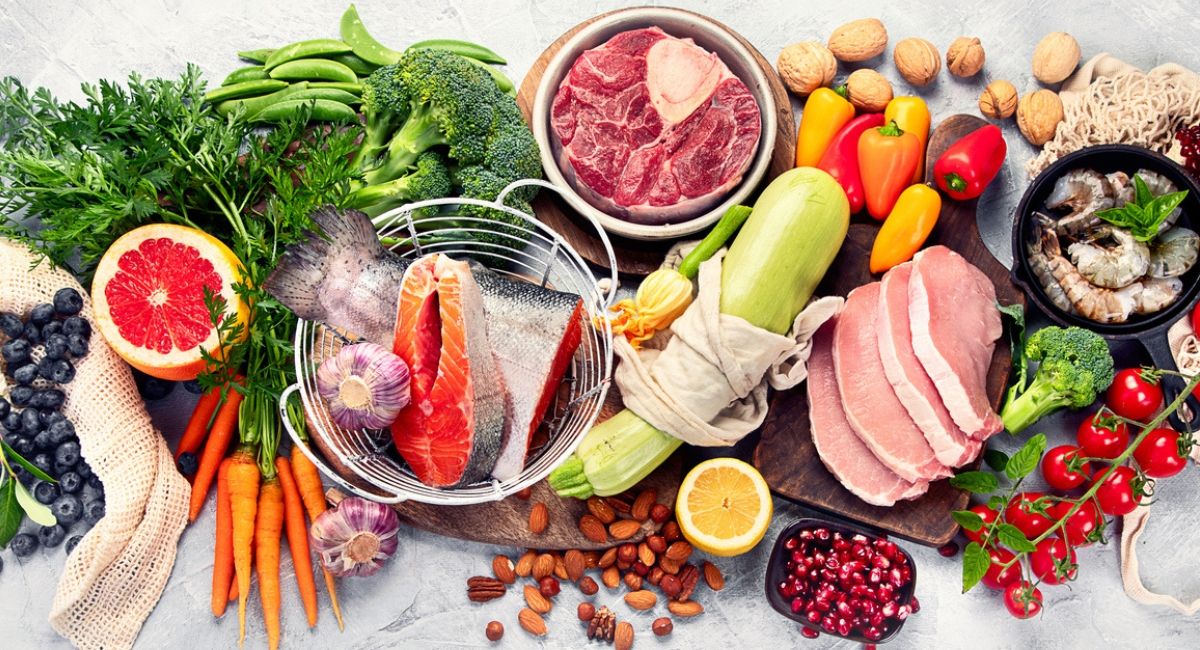
AIP allows many vegetables, fruits, animal proteins and healthy fats. In the elimination stage, you must cut out grains, legumes, dairy, sugar, nuts and seeds, coffee, eggs, chocolate, nightshades and some seed-based spices. Comprehensive lists are available online to help you know exactly what you can (and can’t) eat in the AIP elimination phase.
We are all amazingly unique, which is why two women with the same condition may have completely opposite reactions in their bodies. With autoimmune disease, symptoms vary depending on other factors, such as whether your hormones are in balance or you have unknown food sensitivities.
That’s why I’ll never say that one diet, or way of eating, is best for everyone. I take the time to research many options so I can recommend the most sensible plan for each woman’s individual circumstances.
So how do you choose the right plan for you? I always suggest working with a qualified professional who can look at all the factors and help guide you toward your best solution. There are so many pieces to the puzzle, it may be tough to sort them out on your own. These are some things to consider before choosing a diet:
I firmly believe that food is the best medicine we have. AIP, Paleo and keto diets all have one thing in common: They focus on healthy whole foods rather than processed junk. Your body relies on a steady influx of minerals and nutrients to keep things functioning as they should. If something interferes, symptoms appear.
Your hormones are integral to good health. These hormones are the messengers between various systems in the body. If the communication between these systems goes awry, internal chaos can be the result.
Every one of your major body functions is influenced by hormones, including reproduction, blood pressure, energy levels, metabolism, sleep, appetite, blood sugar balance and the aging process. That’s why when hormones are imbalanced, you’re likely to notice.
Headaches, fatigue, digestive problems, sleep issues, depression and anxiety, weight gain—the list of symptoms caused by hormonal imbalances goes on and on. Hormones are also connected to inflammation. With autoimmune disease, inflammation is often behind the pain you feel.
The AIP diet focuses on the gut because a leaky gut can quickly throw hormonal balance off. With a healthy digestive system, your body will eliminate estrogen metabolites. But when things are out of balance, this may not happen, and you could end up with estrogen dominance (see my column in WDDTY November 2025).
Gut health also influences the conversion of the thyroid hormone T4 to the more usable form T3. An unhealthy GI tract can also affect both blood sugar and insulin levels, putting you at risk of insulin resistance. And inflammation in your gut can trigger your stress response, leading to high levels of cortisol, which in turn can influence levels of other hormones.
All this underlines the idea that what you eat can seriously affect your hormones. The good news is that when you understand that, you realize you have more control than you may have thought. You don’t have to default to medications with side effects that are as bad as the symptoms you’re trying to control.
With the AIP diet (or another intentional eating plan), you can discover the effects of certain foods on your body, which will help you make informed food choices.
Eliminating foods that might be disrupting your digestive system, throwing hormones out of balance and causing systemic inflammation can make a huge difference in your life.
Lily tried the AIP diet and found that dairy and gluten needed to stay permanently out of her kitchen. She couldn’t believe how much better she felt when she’d identified these two major culprits. Her pain was so slight and her energy so high after making the changes that she had no problems at all on the hiking vacation she took with her family. She finally got her life back—and so can you.
Phase 1: Elimination
This phase involves eliminating all possible trigger foods and drinks for a span of six weeks to six months. These include all grains, legumes, eggs, dairy, nuts and seeds, processed sugar, nightshades, seed-based spices (like coriander, mustard and nutmeg), coffee and alcohol.
Phase 2: Reintroduction/rechallenge
This phase, which can last for one to three months, involves gradually reintroducing the eliminated foods and again cutting out any that induce symptoms or flares. Choose a single food or food group to reintroduce (many people start with the foods they enjoy the most), eat a small amount of the food and observe for reactions. See my column in WDDTY June 2025 for some general guidance on how to do an elimination diet.
Phase 3: Maintenance
After the symptom-triggering foods have been discovered and eliminated, the individual diet that has evolved is followed for the long term.1
It can be overwhelming to completely change the way you eat, especially if you’ve relied on convenience foods and vending machines for far too long. But it’s worth it in the long run—especially if you have an autoimmune disease.
Learning to eat nutritious whole foods in place of processed junk just might be the key to getting back to your favorite activities instead of letting chronic pain and exhaustion run your life. Here are some tips to help you get started.
Clean out your kitchen. Clear your refrigerator, freezer and pantry of anything that’s not part of the plan you select. If you don’t have processed foods available, it’s much easier to grab a healthy, plan-approved snack.
Make time to prep. Choose a specific day of the week when you have time to both shop for fresh ingredients and prep them so they’re ready when you need them. This one step can make the difference between whipping up a simple but delicious and nutritious stir-fry for dinner and ordering takeout.
Deal with your emotions. It’s amazing how often women tell me that starting a restricted eating plan leaves them wanting to eat constantly, even when they know they aren’t hungry. Something about that feeling of being “deprived” leads to seeking out more and more food, and the choices available may seem less than satisfying.
If you find yourself in this situation, take a few minutes to tune into what’s really going on. What feelings are coming up for you when you can’t reach for your favorite comfort food? Addressing these will help you be successful in your quest for better health.
Hydrate. Water is so important for health. Thirst is often mistaken for hunger, so before grabbing a snack, drink a big glass of water. You can even use the need for hydration to stave off cravings for sweets—try infusing your water with some berries for a hint of natural sweetness.
Have fun with spices. This is a perfect time to test out some new spice blends to add flavor and excitement to your dishes.
Eat slowly and mindfully. Take time to enjoy all the new flavors you may be experiencing. Start training your brain to recognize how delicious whole foods can be by savoring each bite.
Don’t fall into a rut. Though these diets seem quite restrictive, in truth the options are endless. If you stick to fruits and vegetables you already know or eat the same meals over and over again, you may quickly tire of them. Branch out—try new recipes and vary the sides you serve with meals.
Try new ways of cooking. I love how easy an air fryer makes preparing meats and vegetables, and it’s much quicker than roasting in the oven.
Plan ahead. When eating out, study the menu ahead of time if you can. This will help you stick to your plan instead of ordering on impulse.
What do you think? Start a conversation over on the... WDDTY Community

Great news! Discounts are available based on your cart total. Check the details below: