It might sound romantic, but you really don’t want to suffer cardiac arrest. You can reduce your risk if you follow a healthy diet and even drink the occasional glass of champagne, Bryan Hubbard reports
Singers warble romantically about their hearts suddenly falling still—but it’s a real thing, and it’s known as cardiac arrest. It’s not a heart attack; that happens when blood flow is blocked and the heart muscle is damaged.
Cardiac arrest, the third most common cause of death in industrialized nations, occurs when the heart suddenly stops beating for no apparent reason. A heart attack is a problem of circulation; cardiac arrest is electrical.
More than 600,000 people in the US and 40,000 in the UK suffer sudden cardiac arrest every year. Nearly half of US cases but only a quarter of UK cases happen in the hospital, which doubles the victim’s chance of survival.
But what causes it, and is there anything we can do to prevent it?
Researchers from Fudan University in China have analyzed 56 risk factors—including diet, lifestyle choices and environmental pollutants—and they reckon up to 63 percent of cases could be avoided if people adopted healthier habits.
They looked at data on more than 500,000 middle-aged people, 3,147 of whom suffered a cardiac arrest during the 14 years of the study.
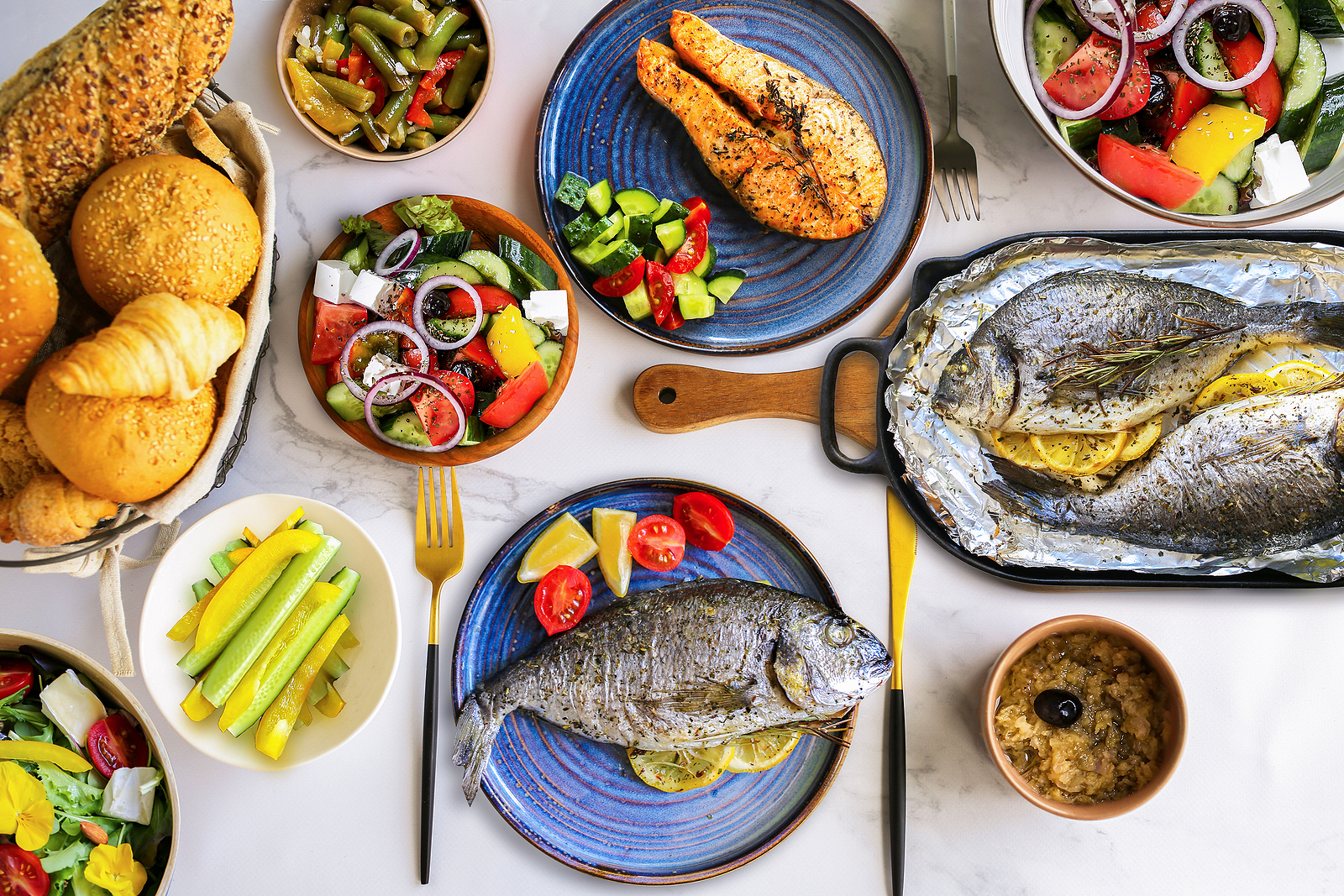
Some of their findings were surprising, like that white wine and champagne seem to have a protective effect, reducing the risk by around 30 percent. And others were more expected, such as the benefits of exercising, eating a healthy diet, not smoking and losing weight.
Poor sleep quality and unemployment were also risk factors—but so too were psychological issues such as feeling “fed up” or depressed. But, as with all matters of the heart, it’s complicated.1
Reducing the risk
| Things to do | % risk reduction |
| 10+ minutes a day of vigorous physical activity | 32 |
| Spending less time on the computer | 15 |
| Drinking red wine | 30 |
| Drinking white wine/champagne | 29 |
| Taking glucosamine supplements | 20 |
| Leisure activities | 16 |
| Being close to more green spaces | 14 |
| Eating more poultry | 16 |
| Strong hand grip | 39 |
Increasing the risk
| Things to avoid | % risk increase |
| Watching too much TV | 37 |
| Sleeping more or less than 7 hours | 27 |
| Struggling to get out of bed in the morning | 36 |
| Smoking | 212 |
| Eating cereal | 29 |
| Not eating enough fruits/vegetables | 37 |
| Feeling fed up | 28 |
| Isolation, loneliness | 30 |
| Regular depression | 25 |
| Lack of interest in things | 36 |
| Worrying over embarrassing incident | 15 |
| Exposure to air pollutants | 17 |
| Excess waist circumference | 62 |
| Raised pulse rate | 20 |
| High BMI score | 36 |
| Overweight | 33 |
| Poor education | 35 |
| Unemployment | 224 |
What do you think? Start a conversation over on the... WDDTY Community

Great news! Discounts are available based on your cart total. Check the details below: