Nobody’s buying the super Polypill, says Bryan Hubbard
If one pill can make you well, what can three pills do? Make you even weller, of course! Yes, welcome to the world of the polypill, the three-in-one power punch that delivers a knockout blow to heart disease.
It’s so good, everyone over the age of 50 should be taking it, or at least its manufacturers say so. And why not? It would virtually wipe out heart disease—or 88 percent of cases, anyway—and 80 percent of strokes according to the 2003 study that launched the polypill.1
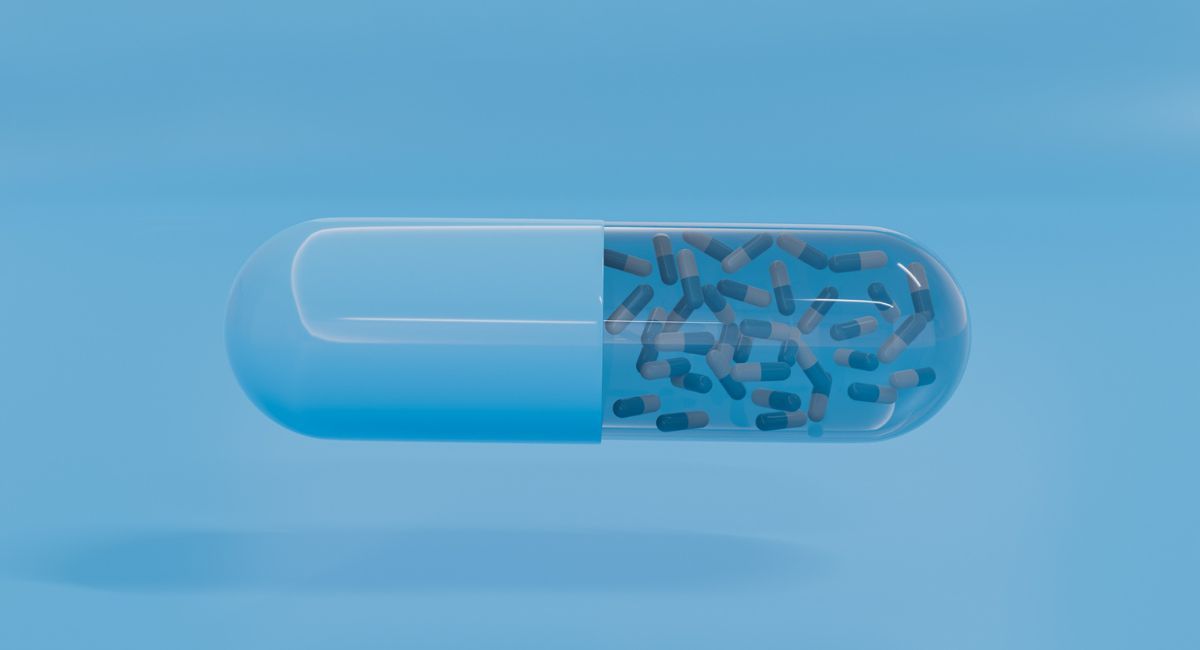
The polypill is a “super pill,” the pharmaceutical equivalent of the supergroup of old, that includes a statin, aspirin and an ACE inhibitor for lowering blood pressure.
If you want to head off to your shed and make your own, here are the exact ingredients and doses: Mix a statin, such as 10 g of atorvastatin or 40 g of simvastatin, with three blood-pressure-lowering drugs. You might try a thiazide, a beta blocker and an angiotensin-converting enzyme (ACE) inhibitor, each at half the standard dose. Then sprinkle in 0.8 g of folic acid and add a pinch of aspirin (75 mg) for flavoring.
On second thought, don’t. The polypill is now Polypill, a licensed brand that was patented in 2000, three years before the effusive study was published, and is owned by Polypill Ltd. You can buy a 20-week course for a mere £235 ($310) and a year’s supply for just £611 ($807) from the Polypill website.
Polypill Ltd’s director and principal shareholder—with at least a 75 percent holding—is Sir Nicholas Wald, honorary professor of preventive medicine at University College London.
Sir Nicholas was one of the authors of the 2003 paper, and it seemed the world would beat a path to the Polypill door—but it didn’t. According to Companies House, the UK registry of companies, Polypill Ltd had net liabilities of around £425,000 ($563,000) as of December 2023.
Undaunted, Sir Nicholas recently wrote a letter to The BMJ reminding everyone of the cardiovascular disease–beating capabilities of the Polypill. “We have the means of preventing most heart attacks and strokes, many more than are currently being prevented. All that is required is to translate what we know into action,” he wrote.2
That action is to get the Polypill adopted by the UK’s National Health Service and offered to everyone older than 50 or so. Yes, it would cost a few billion pounds a year, but it would surely be worth it, argued Sir Nicholas.
To say the least, this was all very odd. A director and major shareholder of a private company was allowed to advertise the company’s product in an open letter to doctors, which was picked up by the international media who were all paying lip service to him, telling their audiences that, yes indeed, they should be taking his product—if they want to save their lives, that is.
As one doctor told The BMJ, “It is difficult to imagine a more blatant conflict of interests, with obvious financial links to industry.” It certainly went against the journal’s own editorial guidelines, which state that articles are not suitable for publication “when professional judgment concerning a primary interest (such as patients’ welfare or the validity of research) may be influenced by a secondary interest (such as financial gain or personal rivalry).”
What the eagle-eyed fact-checkers at The BMJ failed to spot, Sir Nicholas’s fellow doctors didn’t. Although the individual drugs have been approved, Polypill has not been licensed. It hasn’t gone through safety trials, but it’s already known to trigger a host of side effects, one doctor pointed out, from diarrhea, dizziness and nausea to rarer but serious outcomes like muscle toxicity and skin cancer.
For the minority with previously unidentified higher cardiovascular disease risk, the benefits would outweigh the potential harm. But roll that out to nearly 16 million people in England—about half of whom would be otherwise unlikely to ever require statins or antihypertensives—and the downsides outweigh any benefits.
Another doctor questions the 88 percent effectiveness rate of the Polypill. Independent studies have reduced that to around 35 percent, and anyway, the Polypill focuses on only some of the causes of heart disease—high blood pressure, raised LDL cholesterol levels and the like—while ignoring other factors that are just as important, such as obesity and smoking.
If you believe in the drug-based approach to preventing cardiovascular disease (diet and exercise, anyone?) then the Polypill sounds like a great idea. Except it’s not.
What do you think? Start a conversation over on the... WDDTY Community

Great news! Discounts are available based on your cart total. Check the details below: