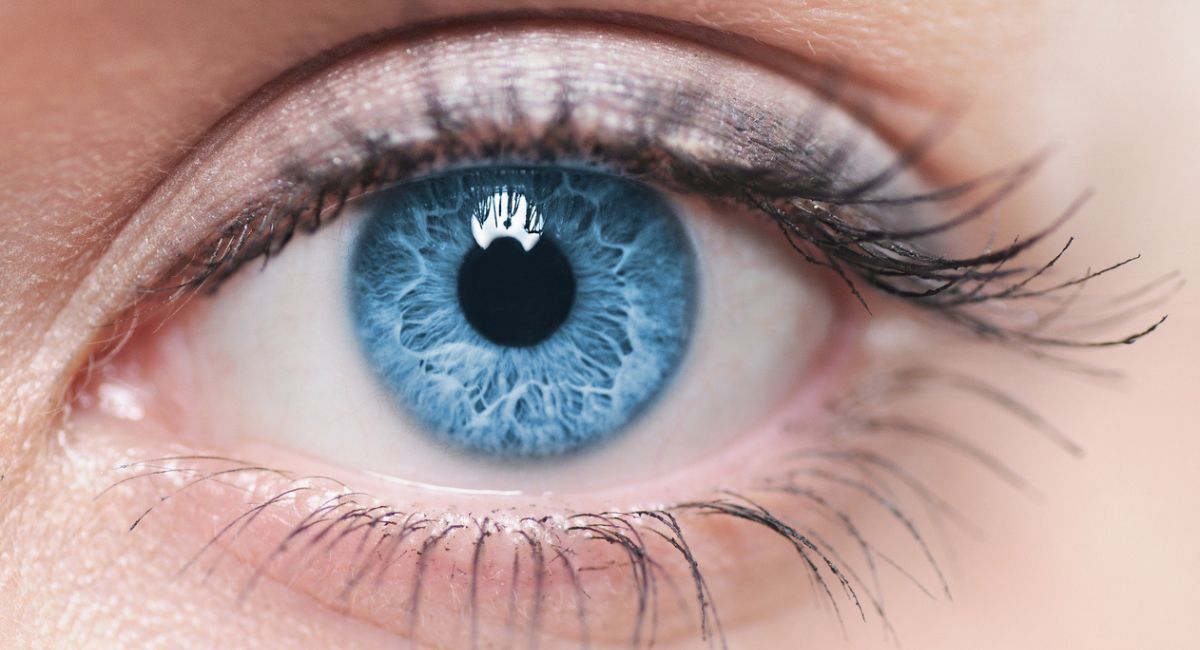
If you’re prone to eye infections, keep these homeopathic remedies on hand to soothe symptoms fast, says homeopath David Needleman
Eye infections, especially conjunctivitis, blepharitis and styes, are among the top conditions I’m contacted about on the Homeopathic Helpline. If you’re susceptible to eye infections, it’s a good idea to see a qualified homeopath for an individual, holistic prescription. But here are my most recommended remedies for quick relief from these common short-term eye problems.
Conjunctivitis is an inflammation of the conjunctiva, which is the surface layer of the eye. It’s also called red eye or pink eye due to the discoloration it causes.
There are three main types: bacterial (caused by bacteria) and viral conjunctivitis (caused by viruses) are highly contagious, while allergic conjunctivitis (caused by an allergic reaction) is not.
All three types of conjunctivitis can cause redness, itching, discharge and sensitivity to light. But there are different remedies for the different types.
In fact, there are over 140 homeopathic remedies relating to conjunctivitis, but here are the ones I find most useful—plus they’re the easiest to get hold of.
Bacterial conjunctivitis
Bacterial conjunctivitis typically causes a thick green or sticky yellow discharge along with pain, itchiness and light sensitivity. Blurred vision is common, too.
The condition usually affects children, but anyone can get it. The following are my top remedies.
Pulsatilla. This is the best and most effective treatment for bacterial conjunctivitis. It’s particularly good for children, who often become more needy when unwell or in discomfort.
Suggested dosage: 30C three or four times a day until symptoms are resolved
Euphrasia eye drops. Combine this topical remedy with Pulsatilla for best results (see below).
Viral conjunctivitis
Symptoms of viral conjunctivitis are slightly different. There’s usually a lot of clear discharge that needs to be wiped frequently and a sensation of grit or sand in the eyes. Often there is pain and blurred vision, too. Below are the best remedies.
Argentum Nitricum (Arg Nit). This is the number one remedy for viral conjunctivitis.
Suggested dosage: 30C three times a day until symptoms are resolved
Euphrasia eye drops. Combine this topical remedy with Arg Nit for best results (see below).
Allergic conjunctivitis
Allergic conjunctivitis is caused by allergens like pollen, dust and pet dander. Symptoms include redness, watery eyes, irritation and light sensitivity, and these can be confused with symptoms of the other types of conjunctivitis.
The most suitable remedy depends on the individual symptoms and the allergy, so it’s best to consult with a qualified homeopath for this type of conjunctivitis. But see my article in the April 2025 issue for a variety of remedies that work for eye symptoms related to hay fever.
Euphrasia eye drops are also useful for allergic conjunctivitis (see below).
A stye is a small, red, painful lump on the edge of the eyelid, typically caused by bacterial infection of an eyelid gland or eyelash follicle. Styes are sometimes confused with chalazions, but these are often larger and painless and are usually caused by a blocked oil gland.
The treatment is the same for both, though. Following are my top three homeopathic remedies for styes.
Graphites. This remedy is ideal for red, swollen and inflamed eyelids as well as for dry eyelids exacerbated by eczema.
Pulsatilla. This remedy works well for styes and inflamed eyelids that are sticking together.
Staphisagria. Choose Staphisagria if you suffer from recurrent styes or if your eye feels hot.
Suggested dosages: These remedies are best taken in 30C potency, three times a day until the stye has resolved
Blepharitis, often called “eye dandruff,” is inflammation of the rims of the eyelids, leading to redness, itchiness and often a gritty feeling in the eye. Here are my tried-and-tested homeopathic remedies for blepharitis. But make sure to combine them with good eyelid hygiene (see below) for both treatment and prevention.
Euphrasia. Use this if your symptoms include watery eyes with discharge as well as swelling of the eyelids with a burning sensation.
Graphites. Again, this is good for red, swollen, dry eyelids.
Staphisagria. Choose this if your inflamed eyelids are accompanied by a hot feeling in the eyes.
Suggested dosages: Again, take these remedies in 30C potency, three times a day until symptoms are resolved; Euphrasia can also be used topically (see below)
Euphrasia can be very useful in the treatment of blepharitis when taken internally, but for conjunctivitis it’s better to use it topically.
To make Euphrasia eye drops (make them fresh for each use):
Alternatively, you can opt for a commercial Euphrasia eye drop formula, such as A. Vogel’s Moisturising Eye Drops or Weleda’s Euphrasia 3X Soothing Eye Drops.
For most eye infections, and even just for tired eyes, use Euphrasia eye drops as needed. But for styes, blepharitis and conjunctivitis, use them three or four times a day alongside the appropriate remedy to speed up recovery.
Avoid wearing contact lenses while suffering from eye issues like styes, blepharitis or conjunctivitis. And if you wear glasses, remember to keep them clean to avoid contaminating your eyes.
Any treatment for blepharitis should always be accompanied by a strict eyelid cleaning routine. Even better, combine it with gentle eyelid massage, which can help unclog any blocked glands.1 Here are some tips:
What do you think? Start a conversation over on the... WDDTY Community

Great news! Discounts are available based on your cart total. Check the details below: