The thymus gland plays an essential role in immunity and cancer prevention, says Dr Leigh Erin Connealy. Here’s how to look after yours
What if I told you that a small gland located behind your breastbone may be responsible for healthful aging and protection against cancer and other chronic illnesses? Or that, until recently, doctors didn’t see the usefulness of this gland past adolescence, so it was routinely cut out and discarded during cardiovascular surgeries because it was “in the way”?
This seemingly unassuming gland is called the thymus, and the collective medical field is slowly realizing its crucial role in longevity, immunity and healthy human function.
An optimally functioning immune system is critical for preventing disease and helping the body fight off foreign invaders, including pathogens like viruses, fungi, bacteria and cancer. Made up of various cells, tissues, organs and systems, it is far more complex than most people realize.
Aside from the well-known players like white blood cells and lymph nodes, the immune system involves other organs like the spleen, tonsils and adenoids, bone marrow, and thymus gland. These organs and systems work together to seek and destroy pathogens that can negatively impact health.
The immune system’s duties are twofold: it must fight off foreign invaders while ensuring the attack doesn’t mistakenly turn against the body’s own healthy cells (autoimmunity). When it comes to cancer, this becomes particularly difficult because cancer cells start out as healthy cells, then mutate and multiply into malignant ones that the body sometimes has trouble recognizing.
The immune system must remain constantly vigilant, and we have to do everything we can to support, nurture and bolster it if we want to stay healthy and disease-free.
To add insult to injury, we must factor in the diminished immune function that occurs naturally with age. This process, called immunosenescence, makes us more susceptible to infections and chronic diseases.
Immunosenescence slows or interferes with the body’s normal immune response. Typically, we fight infections with a slew of natural killer cells, T cells, macrophages and the like. However, issues arise when age and declining immune system function come into play.
One of the most significant implications of immunosenescence is the deterioration of the thymus gland. This small, two-lobed organ plays a big role in immune health. The thymus is responsible for producing and maturing T cells and helping the body recognize and distinguish between the body’s normal cells and potential pathogens, such as cancer cells.
This gland is largest in infants, peaks in function during adolescence and quickly declines in size, structure and function as we age. Lymphatic (thymic) tissue steadily decreases by about 5 percent per year during the first decade of life.
Between 25 and 40 years of age, this tissue decline continues, and fatty atrophy of the thymus begins. In older adults, the thymus eventually turns translucent as it is comprised almost entirely of fat. And when this happens, immune function is impaired.1
See below for other factors that can affect thymus function.
Research continues to emerge regarding the vital role the thymus plays in immunity and cancer prevention. In an eye-opening study published recently in the New England Journal of Medicine, researchers revealed that patients who underwent a thymectomy (surgical removal of the thymus) had twice the risk of developing cancer within five years.
The risk of all-cause mortality nearly tripled as well. The study’s authors concluded that thymectomy also seemed to raise the risk of autoimmune disease in patients who didn’t already have an infection, cancer or an autoimmune disease.2
Other studies have linked thymic decline and immunosenescence to several specific cancer types:3
Fortunately, we can take several steps to maintain and restore thymic function and improve our chances of warding off infections and chronic diseases.
The typical pillars of good health apply. Start with a nutrient-rich diet filled with protein, healthy fats and low-glycemic produce, and free of added sugars and simple carbohydrates. Practice proper sleep hygiene and get regular physical activity and adequate hydration. The following modalities have also been shown to boost the thymus gland’s health and function, improving overall immunity.
Thymus extracts
Used for centuries in Chinese and European medicine, thymus extracts boast multiple health benefits, including fighting infections, healing wounds rapidly, decreasing inflammation and inhibiting cancer cell proliferation.
Most often derived from calf thymus, Thymic Protein A (TPA) has antiviral and immune-modulating effects. These extracts can be taken as supplements to improve thymus function and support overall immune health.
Suggested dosage: Use as directed by a practitioner or on the product label
Thymus injectables
Another option is live-cell thymus injections. This therapy is helpful for balancing the immune response.
A treatment course usually involves intramuscular injections administered over several days, aiming to prime and stimulate the immune system. Often used in conjunction with spleen extracts, these injectables are designed to repair and rebuild the immune system.
Thymus and spleen injectables must be ordered from regulated European laboratories and dispensed and used by a well-versed medical practitioner. You can find a physician familiar with this modality via the American College for Advancement in Medicine (acam.org) or the Institute for Functional Medicine (ifm.org). Or consider coming to see us at the Cancer Center for Healing (cancercenterforhealing.com).
Herbal remedies
Huang-qi (Astragalus membranaceous) is an adaptogenic herb with powerful anti-inflammatory and antioxidant properties. Used as a traditional Chinese remedy since ancient times, its purported health benefits include prevention of respiratory illnesses and infections, hepatoprotective properties, and lower blood pressure, to name just a few.
Suggested dosage: Use as directed by a practitioner or on the product label
Turkey tail mushrooms (Coriolus versicolor) are a great option for overall immune support. Another remedy used for thousands of years in Chinese medicine, they have been recognized by the National Cancer Institute to potentially “boost the immune system, slow the growth of some tumor cells and lessen the side effects of chemotherapy and radiation therapy.”
Suggested dosage: Use as directed by a practitioner or on the product label
Growth hormone
Human growth hormone (HGH) may also be key to retaining and improving thymic function. HGH is a natural hormone produced by the pituitary gland. Similar to the function of the thymus, levels of this hormone increase throughout childhood and peak during adolescence. HGH is crucial to growth (height), metabolism and normal body structure. It may also be key to retaining and maintaining thymic function.
I do not recommend supplementing with HGH supplements as they can be costly and potentially ineffective. There are, however, several ways to increase HGH naturally.
High-intensity interval training (HIIT) workouts. HITT training involves several rounds of short, fast, intense bursts of activity interspersed with quick periods of rest or low-intensity recovery periods. This type of training keeps the heart rate elevated throughout the workout and provides multiple health benefits.
HIIT workouts can be done while running, using your body weight for resistance training (lunges, squats, burpees, etc.), or attending classes at a gym or online. Aim for a minimum of 150 minutes of exercise per week total, and try incorporating HIIT workouts two to three times weekly.
Infrared sauna therapy. Infrared sauna is a powerful therapy that benefits countless health conditions and improves health overall. I use my infrared sauna most days of the week, as it’s one of my favorite detoxification and all-around therapies. Additionally, multiple studies confirm that regular sauna use can naturally increase HGH levels.
The brand I use and recommend is Health Mate (healthmatesauna.com). These saunas are low-EMF emitting and backed by decades of research and third-party testing. Good portable infrared saunas are also available from Firzone (firzone.co.uk) and Durherm (durherm.com).
Be aware that some conditions are contraindicated in hyperthermia (heat-related) therapies, so talk to your doctor to ensure sauna therapy is appropriate for you.
Intermittent fasting. During fasting and intermittent fasting, the production of human growth hormone increases significantly. Since prolonged fasting is not feasible or desirable for most individuals, forgoing food for a minimum of 12 hours daily is a good option.
Try regularly not eating between 8:00 p.m. and 8:00 a.m. the following day or, even better, hold off on breaking your fast until 10:00 a.m. or noon. In addition to your HGH levels, your metabolism and blood sugar levels should improve.
Whole-body vibrational training. Whole-body vibrational (WBV) training on a device such as the PowerPlate boasts a multitude of health benefits. Along with naturally boosting HGH production, this type of training stimulates the entire muscular and skeletal system, increasing mobility, strength, balance and flexibility.
Furthermore, WBV exercise is excellent for improving bone density, which also decreases with age. The minimum suggested use is 15 minutes a day, three times a week.
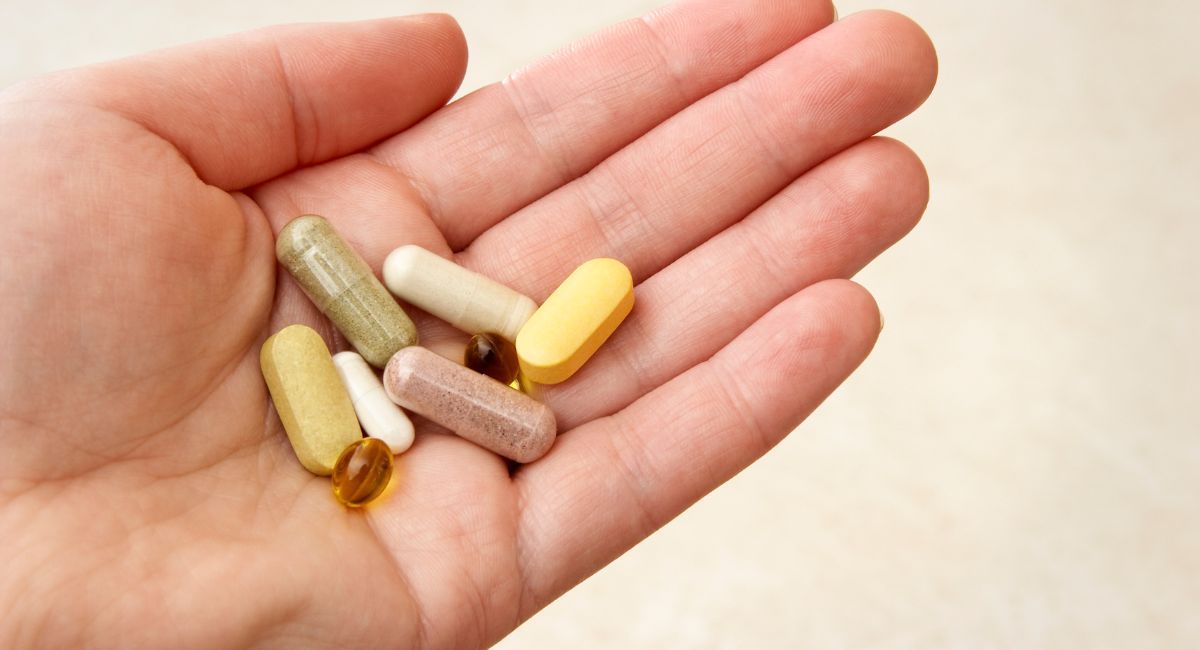
Supporting immune function overall is also imperative. Daily supplements to add to your arsenal include the usual suspects: vitamins A, C and D3 along with immune-boosting zinc.
You’ll also want to make sure you’re taking a high-quality probiotic. Scores of studies in recent years have revealed the integral link between a healthy gut microbiome and optimal immune function.
These immune must-haves, as well as the supplements mentioned above, are readily available in health food stores and online, including on my website, perfectlyhealthy.com. Choose well-respected and reputable brands to ensure quality and efficacy.
Suggested dosages
Vitamin A: 7.5 mg three times weekly
Vitamin C: Start with 2,000 mg daily and increase gradually until you experience a runny bowel movement (called a C-flush); the dosage just before the C-flush is your ideal dosage
Vitamin D3: Get your blood tested and aim for a level of 50–70 ng/mL; most people need 5,000–15,000 IUs daily to reach the therapeutic range
My friend and colleague, Patrick E Sewell, MD, is a pioneer and innovator in the immunotherapy and gene therapy fields. An advanced interventional oncologist, Dr Sewell has spent decades researching and testing these targeted therapies for health, longevity and cancer prevention. His company, TriplHelix, currently offers more than 130 gene therapies and is working to develop a treatment to restore thymic function.
He explains, “A pivotal study showed that increasing the transcription factor FOXN1 can substantially reverse thymic involution [in mice], rebuilding the thymic cell structure and function as well as glandular output of properly trained T cells.4
“At triplhelix.com, we are on track to deliver our thymic gland rejuvenation gene therapy in early 2025. This will be a multi-gene therapy designed to restore a person’s thymus gland to the equivalent age function level of a 25-year-old human.
“I expect to see all the benefits of thymic gland function to return to the treated patients, thereby reducing age-related cancers and illnesses as well as increasing a patient’s health span.”
Until gene therapy for thymic rejuvenation is readily available, you can employ the recommendations I’ve discussed here. They will boost your thymus gland function and give your immune system the best possible chance of keeping cancer and other diseases at bay and engendering optimal health.
A recent article by prominent health and wellness advocate Joseph Mercola, DO, noted that while there are no tests designed specifically to determine thymic gland function, low levels of B and T lymphocytes could indicate thymus issues.1 These are some common symptoms linked to low thymic function:
If any of these symptoms are persistent, consider bolstering your thymus gland function with the therapies I’ve suggested in this article.
What do you think? Start a conversation over on the... WDDTY Community

Great news! Discounts are available based on your cart total. Check the details below: