Don’t underestimate the power of plants when it comes to balancing your hormones, says Marcelle Pick
“I think I might need something… more than herbs,” Amanda told me early on.
It made me smile, because I completely understood. But I also knew she was about to be pretty amazed by just how powerful herbal remedies can be, particularly when it comes to hormonal imbalances.
Now, of course, in an integrative, functional medicine approach to health, nothing truly acts alone. Any treatment, whether it’s an herbal supplement or a prescription medication, works best when combined with other healthy diet and lifestyle improvements.
But there’s also this tendency, even among people who lean toward a more natural approach, to greatly underestimate the impact of herbs.
As my patient Amanda soon found out, herbal support can be incredibly powerful for balancing your hormones. Here are the reasons an herbal approach can be so effective and some of my favorite balancing herbs.
Aside from weight loss, symptoms of hormonal imbalance are the primary reason women have turned to me for help for over three decades.
I’ve built my reputation on taking the time and care to look for the root causes of these symptoms, including mood issues, hot flashes, skin and hair changes, and, yes, weight gain. I have long known that covering up symptoms causes more frustration in the long term. Women don’t want a temporary fix.
Early in my career, I learned firsthand how important hormonal balance is to a happy, healthy life. I suffered from the same uncomfortable symptoms that so many other women have reported, and I wasn’t content to simply live with them. I knew there had to be a better way to handle the natural monthly fluctuations, and I refused to believe prescription medications were my only alternative.
Through extensive education, research and experience with countless patients, I discovered that hormonal imbalances are responsible for so many different conditions that women have been told are just “part of being a woman.” To that, I say, “No way!”
Herbal medicine has been used in many cultures since ancient times. Of course you shouldn’t believe everything you read in the media (no, cayenne pepper won’t solve every issue), but research does support the idea that herbs can be a powerful leveling force in your body.
Let’s look at some common hormonal problems and how herbal treatments can be an essential part of a healthy lifestyle—one designed to keep your hormones well balanced so you can thrive, not simply survive.
Your hormones carry critical messages throughout your body. They help cells communicate and are the impetus for many vital biological actions. They’re the foundation of your endocrine system, which plays a vital role in regulating growth, reproduction, metabolism, mood and temperature.
That’s why balance is key. If you have too much or too little of a specific hormone, the messages they carry can become garbled, and some of those critical functions can shut down. That can result in inflammation, autoimmune diseases, endocrine disorders and so many other harmful conditions.
Hormones do have natural fluctuations at specific points throughout a woman’s life, including puberty, pregnancy, the menstrual cycle and menopause. While these fluctuations are the subject of many a joke (though they’re no laughing matter), men are also subject to these natural fluctuations both during puberty and as they age.
Although conventional medicine’s responses to complaints of hormonal symptoms typically include antidepressants, hormone replacement therapy or “powering through,” I just don’t think those are the best approaches.
Those symptoms are a sign that something isn’t right. Covering them up with pharmaceuticals or pretending they aren’t a problem may get you through a month or two, but they aren’t long-term solutions.
If you don’t address the underlying hormonal imbalances, you will hit a point when you simply can’t ignore them any longer. Unfortunately, far too many women wait until they can barely get out of bed before taking control.
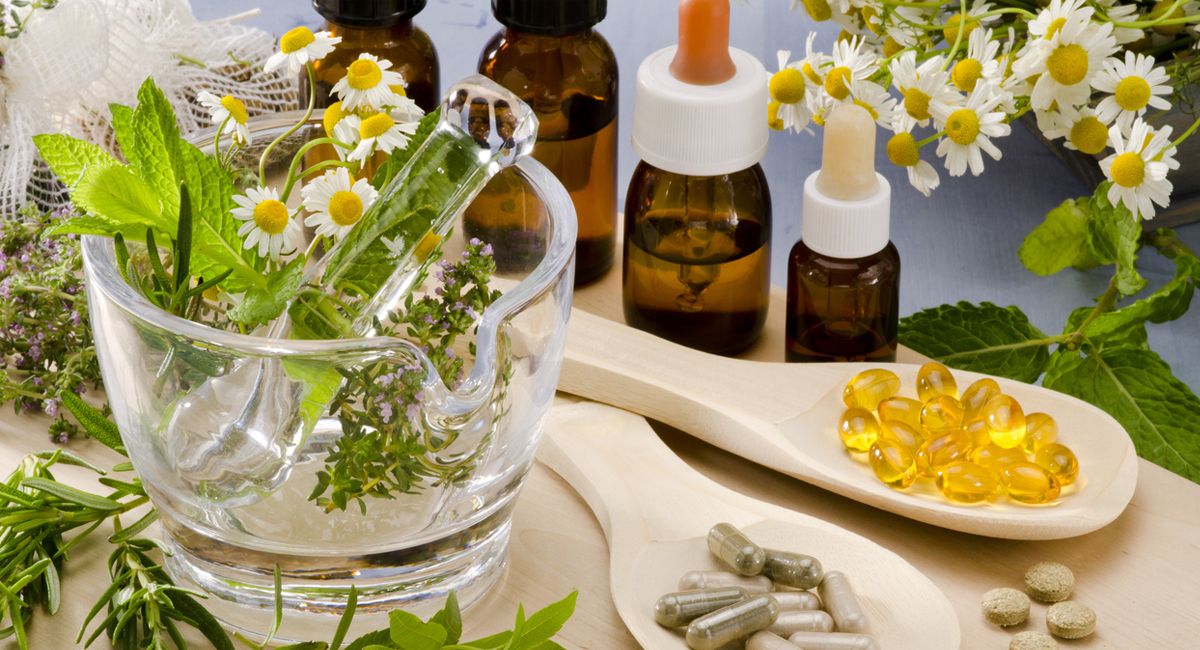
There are many powerful plants that can help. Phytotherapy (the medicinal use of plants) is a time-tested approach that is finally gaining some traction in the US and UK. So much of the world relies on plants for both food and medicine—including cultures that are far healthier than we are here.
Plants, as whole foods or extracts and supplements, have so much healing power. In fact, the study of plants for medicinal purposes was where pharmaceutical research began. But drug companies change the chemical structure of the compounds—often so they can get patents and make big bucks.
Phytotherapy, on the other hand, uses plants in their natural form. It’s gentler on your body and more accessible to more people. Herbal treatments can also prevent health problems, and that’s what I like most about them.
The cells in your body can communicate with plant molecules to ensure you get what you need—and only what you need. This is called the adaptogenic effect, and it’s about responding to and using plant molecules in different ways depending on what you already have going on in your body. This smooth communication between plant and human cells is truly amazing.
It’s important, of course, to talk with a qualified healthcare professional about which herbs (and which dosages) might work best in your own unique circumstances—especially if you’re on any prescription medications. But here are my top hormone-balancing herbs.
Black cohosh (Cimicifuga racemosa)
Native to eastern North America, this herb is from the same family as the buttercup and is sometimes called bugbane or rattleweed. Black cohosh has been used for generations by women worldwide to help with hormonal balance.
While the mechanisms aren’t clear, one thought is that black cohosh binds to opioid receptors in the brain to affect tissues in the body. It may also act similar to estrogen when taken in large doses. Some research has found it relieves symptoms of menopause more effectively than placebo or no treatment does, though more research is necessary.
Black cohosh is one of the key ingredients in my Menopause Support formula (available from shop.marcellepick.com), a blend of herbs designed to support hormonal balance and reduce symptoms during this stage of life.
It’s important to note that there can be adverse effects, so talking with a professional before taking black cohosh is important.
Suggested dosage: 400 mg daily
Chaste tree (Vitex agnus-castus)
Also called chasteberry, this herb is often used in conjunction with black cohosh or other herbs to treat menopausal symptoms. The berries contain diterpenoid compounds that can affect the neurotransmitter dopamine.
Research has also shown that chasteberry may lower levels of prolactin, the hormone that stimulates lactation.1 High levels of prolactin have been associated with PMS (this is why I use chaste tree in my PMSupport formula). Other studies have shown that the properties of chasteberry could mimic the action of progesterone, helping relieve menopausal symptoms and treat infertility problems.
Suggested dosage: 200–1,000 mg daily; do not use while pregnant or nursing
Kalonji (Nigella sativa)
Also known as black seed, black cumin seed or fennel flower, kalonji produces tiny black seeds rich in antioxidants. These seeds are a top source of a phytonutrient called thymoquinone.
Animal studies have shown that nigella seed extract helps regulate testosterone, insulin, luteinizing hormone and thyroid hormone levels2 and acts similar to the natural estrogen produced by your body.3
As a supplement, Nigella sativa is usually an oil that can be taken in drops or capsules.
Suggested dosage: 400–1,000 mg oil daily
Ashwagandha (Withania somnifera)
Ashwagandha, also known as winter cherry or Indian ginseng, is a member of the nightshade family that is quite popular in Ayurvedic medicine and has been used for thousands of years as an effective treatment for hormonal imbalances.
A long history of research shows it benefits thyroid function, and a study in 2018 showed it may even make a difference in those with hypothyroidism too mild to qualify for a diagnosis.4 Ashwagandha can also help lower cortisol levels, boost brain function, and stave off anxiety and depression.5
Ashwagandha is one of the key herbs I’ve seen to be helpful for my patients with adrenal fatigue, and it’s in my Adrenal Metabolism Support formula alongside a number of other helpful herbs and nutrients.
Research is looking at how this powerful herb affects insulin levels and reproductive hormones as well.
Suggested dosage: 100–200 mg daily
Maca (Lepidium meyenii)
Sometimes called Peruvian ginseng, this herb has long been used for medicinal purposes in its native Peru. It’s been getting a lot of attention lately. Research indicates that a 3,000-mg dose of maca root is effective for boosting libido,6 which can often result from imbalanced hormones.
Other studies have shown that maca is effective in decreasing menopausal symptoms such as hot flashes and disrupted sleep,7 improve mood,8 and boost energy.9
Suggested dosage: 500–3,000 mg daily
Nettle (Urtica dioica)
Nettle, also called stinging nettle, contains some iodine and may help to balance thyroid hormones in animal studies.10 It may be useful for humans with underactive thyroid, too.
Nettle contains other important vitamins and minerals as well, including vitamins A and B6, calcium, iron and magnesium. It’s also a source of selenium, a trace mineral vital to proper thyroid functioning.
Suggested dosage: Drink as a tea or choose a high-quality supplement and follow label instructions
Hormonal balance is absolutely possible. All you need is the right information and a commitment to putting that information into practice. Hormones fluctuate constantly, but long-term imbalances can lead to big health problems.
Adding herbal remedies to a healthy lifestyle can address these hormonal changes before they become severe. And, like me, when you control your hormones instead of letting them control you, you can truly live your best life.
Herbs are one great way to promote hormone balance, but they won’t do the trick on their own. An overall healthy lifestyle that includes the following is the best way to keep your hormones—and your health—stable.
Eat well. Food is the best medicine we have. A wide variety of fruits and vegetables yields the plant nutrients your body craves.
A healthy balance of lean protein, healthy fats, carbohydrates and fiber is essential. Limiting sugar, processed foods and anything your body is particularly sensitive to (for many women, gluten is a problem) can also make a big difference.
Stay hydrated. Hydration is key to keeping your body healthy. One great choice is green tea, which may help keep insulin levels balanced.
Keep moving. Regular exercise of any kind can improve hormonal balance, decrease stress, help control appetite and regulate blood sugar levels. It doesn’t have to be vigorous. In fact, if you’re suffering from adrenal imbalances, gentle exercise is best.
Reduce stress. Speaking of the adrenals, stress has a huge impact on the hormone cortisol (which in turn impacts overall hormonal balance). Find ways to calm your body and your brain.
Yoga, music, walking in nature, meditation, dancing and laughter are all great options. The most important thing in reducing stress is to choose something you actually enjoy.
Prioritize sleep. Lack of sleep has an enormous impact on hormonal balance. Find a relaxing bedtime routine that works for you and follow it consistently.
Avoid toxins. So many things in the air, water and earth around us can disrupt the endocrine system, causing hormonal imbalances. While you can’t avoid everything, you do have a lot more control than you may believe. Read labels on beauty products and cleaning supplies, avoid tobacco smoke, buy organic food when possible and minimize your use of plastics.
What do you think? Start a conversation over on the... WDDTY Community

Great news! Discounts are available based on your cart total. Check the details below: