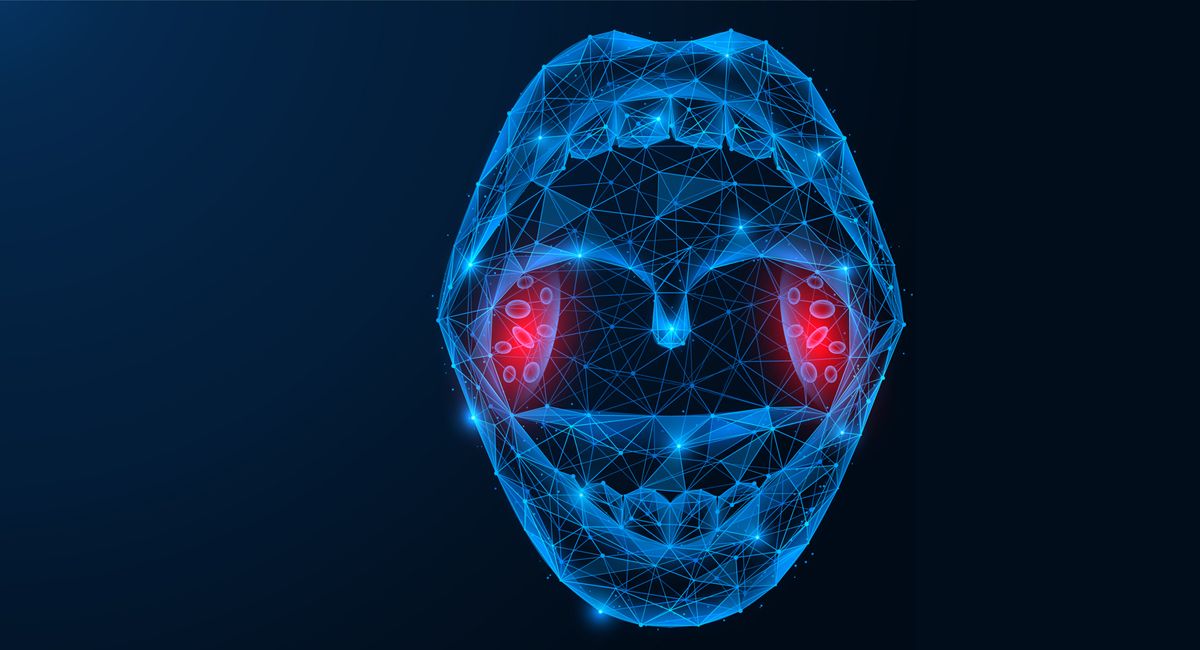
The tonsils are the immune system’s “learning center”—and understanding their vital role also points the way to safer vaccines. Bryan Hubbard reports
Medicine has always considered the tonsils useful but not essential. Yes, they could block viruses and bacteria from entering our digestive system, but our children could live without them, especially if they’ve been suffering from constant sore throats. And during the first half of the last century, that’s just what medicine did: it got rid of them.
Doctors today understand that the tonsils don’t just block pathogens: they also play a role in the immune system response. But that role is more significant than even medicine accepts, and understanding it also paves the way for safer vaccines that are given orally.
The craze of performing tonsillectomies—the removal of tonsils—raged through medicine for around 50 years, and at its height there were around 1.4 million tonsillectomies in US hospitals and around 80,000 in UK hospitals every year. The craze wasn’t slowed by voices of concern, such as those from a UK newspaper that denounced it as a “wicked operation.”
Children who were in the hospital for other procedures were often invited to have their tonsils removed as a precautionary measure, and with the prospect of restorative ice cream afterward, who would object?
It was only in the 1970s that the craze cooled for tonsillectomies and adenoidectomies, the removal of the adenoids, after critics described the surgeries as “a dangerous fad.” Supporters of the procedures pointed out that the tonsils—more precisely the palatine tonsils, which are the ones removed in a tonsillectomy—and the adenoids start to shrink after puberty, suggesting they don’t have a significant part to play.
Even though the tempo has slowed, a tonsillectomy is still the most common surgical procedure performed on children. About 37,000 operations a year are carried out in UK hospitals, and around 530,000 in the US.
It’s still the case that tonsillitis and more than two sore throats in a year are the most common reasons for tonsil removal, although mouth-breathing and obstructive sleep apnea have become more common reasons of late. But it’s hardly a science: only around four in 1,000 procedures meet evidence-based criteria.
In other words, there’s no good reason for the tonsillectomy, and seven out of eight children who undergo it don’t get any benefit—suggesting their sore throats and apnea persist even after tonsil removal.1 Several studies have shown the benefits are modest and temporary.2
It’s also not a simple operation without consequences. Nearly 3 percent of children are readmitted to the hospital within 30 days, while hemorrhage occurs in 12 percent of cases. A small number of children have even died after their tonsillectomy.
But what happens to the child beyond those first 30 days? Is their health affected months, and even years, after their tonsillectomy? Nobody had bothered checking because nobody thought the tonsils were that important to our overall health.
But when they finally did, they were shocked by what they discovered. An international team studied the health of around 60,400 Danish people in their 30s who’d had a tonsillectomy, an adenoidectomy or an adenotonsillectomy (an A&T, when both are removed) by age nine, between 1979 and 1999. They found these people were much more likely to have allergic, respiratory and infectious diseases later in life.
Those who’d had their tonsils or adenoids out had about a 50 percent greater risk of asthma, influenza or pneumonia than those who didn’t have the procedure.3
An adenoidectomy doubled the risk of COPD, upper respiratory tract diseases and conjunctivitis, the eye disease. Those who’d had an A&T were up to five times more likely to suffer from otitis media (middle ear infection) and sinusitis. In all, a person who has had an A&T as a child is more vulnerable to around 28 different diseases.
But why? The researchers say the adenoids and tonsils are strategically positioned in the nose and throat in an arrangement known as Waldeyer’s ring. They act as a first-line defense, recognizing pathogens like bacteria and viruses that enter the nose or mouth and beginning the immune response to clear them from the body.
That final point is a clue to the importance of the tonsils. Researchers from Shiraz University of Medical Sciences in Iran suspect that the palatine tonsils serve as “a member of the immune system.”4
They compared 34 children who’d had a tonsillectomy in the prior four to six years to 30 controls. From these children, they took blood samples to measure CD markers, which denote types of white blood cells, and levels of antibodies in the immune response.
The serum antibody levels were much lower in the tonsillectomy group—one antibody measured only 400 in the tonsillectomy group but 1,131 in the controls. Although there wasn’t much difference in overall CD counts, levels of CD10—an indicator of levels of B cells, and thus antibody protection—were lower in the tonsillectomy cases.
This could result in impairment of the immune system, the researchers say, and so the tonsils may play “a protective and pivotal part in the immune system.”
Indeed they do, but their role is even more pivotal than the Iranian scientists thought. Dr Bruce Lipton, an epidemiologist who wrote the best-selling book The Biology of Belief (Authors Pub Corp, 2005) and who has recently joined the WDDTY editorial panel, says the tonsils are the body’s immunological learning sites—its “natural vaccine” that exposes the immune system to new threats so it can learn to combat them.
“These learning tonsils are why babies are programmed to put everything into their mouths. It’s also why animals lick their wounds so as to sterilize the site of the injury with salivary enzymes and create an immune response to protect against infection,” he says.
These discoveries also point the way to safer vaccines. With inoculation, the attenuated virus that’s being injected into the muscle or vein avoids the oral pathways that start the immune system’s natural learning process.
“When we vaccinate, we bypass the natural immune surveillance mechanism, and it disturbs the body’s harmony. Yes, the body will create an immune response, but it’s a dysfunctional mechanism,” says Dr Lipton.
So, if you are going to have a vaccine, make sure it’s given orally. That way the body will learn quicker, and you’ll likely reduce your risk of side effects. Right now, the rotavirus, adenovirus, cholera and typhoid vaccines are the only vaccines administered orally in the United States. The first oral vaccine was introduced in the 1960s for polio.
Critics of oral vaccines argue that the injected form bypasses the gut and so enters the bloodstream. But that’s the point—by entering the gut, the weakened toxin teaches the immune system.
“The digestive tract is an ideal setting for the triggering of immune reactions due to its broad surface area and large population of immune cells. By exploiting the natural handling and exhibition of antigens by digestive system-residing immune cells, oral vaccines can trigger a potent immune response,” say scientists in Hong Kong. As the title of their paper suggests, oral vaccines are “a better future” for vaccinations.5
And it all begins with understanding the vital role of the tonsils.
Tonsils aren’t just one thing—they’re three. The pharyngeal tonsils, also known as the adenoid tonsils, act as guardians against pathogens that we breathe in. The palatine tonsils, which are the ones removed in a tonsillectomy, sit at the back of the throat, while the lingual tonsils are found lower in the throat at the base of the tongue.
But why are there three? Dr Lipton explains, “When pathogens are first ingested, the oral tonsils see the pathogen’s ‘whole’ structure but don’t have any information about antigenic epitopes (the part of an antibody recognized by the immune system’s T and B cells) that may be hidden within a protein.
“However, after the pathogens pass through the acid environment of the stomach, the folded molecules are broken apart and expose the epitopes. As this new antigenic material leaves the stomach and enters the small intestine, Peyer’s patch tonsils (which are linked to the gut cells) get to examine the newly exposed epitopes and make antibodies against them.
“By the time the ingested pathogens reach the large intestine, further digestive processes (by enzymes released in the duodenum and built into the lining cells of the small intestine) again expose more hidden antigenic epitopes. Sampling of these digested bits and pieces by the appendix tonsils adds more information about the nature of a pathogen’s chemical characteristics.”
What do you think? Start a conversation over on the... WDDTY Community

Great news! Discounts are available based on your cart total. Check the details below: