You go to the doctor with persistent pain or swelling in your joints and you may have an X-ray or an MRI scan. The diagnosis is osteoarthritis. So, what happens next? Provided you are not in chronic pain, you may be told that this is a normal part of the aging process, and if you’re lucky, the doctor will give you some lifestyle tips.
At this point you have to take the bull by the horns and find out how you can maintain your mobility and prevent chronic inflammation and pain. Taking charge and managing your osteoarthritis are really the keys to a hopeful future.
Here are the herbs and foods with the best evidence for ending pain and swelling, which you can take as supplements or consume in some delicious recipes.
Apple cider vinegar can be consumed daily with water.
Certain acidic foods can aggravate osteoarthritis in some people, although not necessarily in everyone. (Test your own acidity by buying some pH test strips from the pharmacist.)
While it seems counterintuitive to have an acidic drink, when the body metabolizes cider vinegar, it turns alkaline. Apple cider vinegar “with the mother” means that it has not been pasteurized, contains a lot of beneficial bacteria and is rich in minerals.
It is easier to find this in a health store than a supermarket, and the good news is it’s incredibly cheap—from around $3.50 (£3) for 24 oz (750 ml). Simply pour one tablespoon of cider vinegar with the mother into a glass of water (warm or cold) every morning or before all meals, if required.
If you find it difficult to swallow, you can start with a teaspoonful in water and gradually increase it or try adding a teaspoonful of good quality honey, particularly made by your local bees, which contains trace elements of vitamins and minerals and, as it is made from the nectar of plants, is rich in plant compounds and antioxidants to fight free radicals that damage cells in the body.
Apple cider vinegar is one of the main components of the approach developed by the Margaret Hills Clinic in Warwickshire, England, which has helped thousands of people with rheumatoid and osteoarthritis (among other conditions) with nutritional therapy. The clinic’s program is based on apple cider vinegar with honey, molasses and Epsom salt baths.
Margaret Hills claims that apple cider vinegar has the power to dissolve acid deposits in the joints and expel them through the kidneys.
The program also comprises a strict acid-free diet, which includes cutting out a wide range of foods, including beef and pork, dairy products, citric acid-forming fruits, alcohol, tea, coffee, sugary and fizzy drinks, refined sugar, wheat and hot spices. The diet focuses on eating plenty of vegetables, cooked and raw; brown rice and grains; fish; avocados; nuts and seeds and products made from them; and most herbs and spices, plus supplements.
Turmeric has been used in Ayurvedic medicine for thousands of years and is particularly recommended for easing inflammation in osteoarthritis.1
The anti-inflammatory properties of turmeric are the subject of over 6,000 scientific papers demonstrating its potential power against cancer, diabetes, arthritis and a range of other conditions.
It is the curcumin in the root of the turmeric plant that has anti-inflammatory, antibacterial, antiviral and antifungal properties, and research is usually into curcumin, not into turmeric itself. When choosing a turmeric supplement, make sure that the manufacturing process has enabled the curcumin to be released.
This is achieved by heating up the turmeric root in oil or extracting it with alcohol and adding black pepper to increase its absorption in the body. Check the ingredients to see the level of curcuminoids and ask in the health food store if you need help. This is one of the best supplements to include in food.
Fenugreek seeds are rich in linolenic acids and have anti-inflammatory and anti-arthritic actions. Research has not been carried out on humans, but this is a spice you can add to cooking, and it is also available in capsule form.
Rosehip can be taken as GOPO®, a naturally occurring anti-inflammatory agent isolated from the seeds and husks of fruit (rosehips) from a subspecies of Rosa canina (dogrose). Scientists have found that GOPO® can prevent the migration of inflammatory cells thought to be involved in triggering and maintaining joint inflammation.2
White willow contains salicylic acid (which is also in aspirin) and is anti-inflammatory and pain relieving.
Devil’s claw (Harpagophytum) is widely used in Europe (where herbal medicine is more accepted than in the UK) as a natural anti-inflammatory for arthritis. It has few side effects and is considered safe.
Stinging nettle is often used in teas and is believed to cleanse the system. A trial using stinging nettle leaves directly on osteoarthritic thumbs showed a reduction of pain when compared with a placebo.3
Ginger is an anti-inflammatory and warming to the system. It can be eaten in food, as a supplement, in a tincture or as a homemade or shop-bought tea. It can also be grated into hot water in a bowl for soaking hands or feet to ease inflammation and pain.
Capsicum cream (chili) for nerve pain is both anti-inflammatory and pain relieving when rubbed on joints.
Boswellia (also known as Indian frankincense) is believed to have anti-inflammatory and pain-relieving properties4 and is widely used in Ayurvedic medicine.
Arnica gel is an herbal preparation that has an anti-inflammatory effect, not to be confused with the homeopathic Arnica tablets for bruising, which are derived from the same plant but prepared differently.
In a study of people with osteoarthritis of at least one knee joint, rubbing Arnica gel on the joint(s) twice daily gave them significant treatment success after just three weeks. The inflammatory pain diminished considerably.5
In a study conducted on more than 200 people with osteoarthritic pain in the fingers, Arnica gel was shown to be as effective as ibuprofen gel, with patients generally preferring Arnica gel. The number of painful joints was decreased significantly, and morning joint stiffness decreased.6
Comfrey root used externally in a cream or in oil has been shown to be effective in reducing inflammation and pain in osteoarthritis. It has been used for hundreds of years and is mentioned in Shakespeare’s plays.
Several recent randomized clinical trials substantiate the efficacy of topical comfrey preparations in the treatment of pain, inflammation and swelling of muscles and joints in the case of degenerative arthritis.7
Meadowsweet contains aspirin-like compounds for pain relief. It was also used hundreds of years ago and is cited in Shakespeare’s plays.
Cannabis oil (CBD or cannabidiol) has recently become available in health stores. It doesn’t contain the hallucinogenic component of cannabis but does help with pain. For years people have been smoking or eating the drug to ease pain, but this formulation in a spray or lotion is now legal! Recent studies show that CBD oil (cannabidiol), which is extracted from the cannabis plant, may alleviate pain and inflammation in diseases such as osteoarthritis.8
Castor oil can be used in a number of ways. Older readers may remember their grannies or mums using castor oil when they were young. Sometimes it was used internally as a laxative, but its anti-inflammatory properties are just as valid now as they were back then. It’s a relatively cheap oil to buy and you can rub it into a swollen joint to relieve swelling and pain.
Chinese Wood Lock oil (methyl salicylate 50 percent, menthol 16 percent, camphor 10 percent) is very strong but eases pain.
Tiger Balm (camphor, mint oil, cajuput oil, menthol and clove oil) has a similar effect to Chinese Wood Lock.
In 2014, without warning at the age of 75, I suddenly developed severe pains in my left knee. After a general practitioner visit and an X-ray, I was diagnosed with the onset of osteoarthritis and was told it was age related. My GP told me the condition was chronic and irreversible. He said the treatment was painkillers, then stronger painkillers, followed by, if necessary, injections into my knee, and ultimately an operation using keyhole surgery. I told him I did not want any of these options and he repeated that the condition was irreversible.
I decided to research diet as a viable option and purchased a book by Margaret Hills, then paid for a private online consultation. Because the suggested diet change seemed highly plausible and a much more attractive option than what the NHS had to offer, I followed the advice with quick and remarkable results.
Within five months I had no pain whatsoever, and after eight months the stiffness in my knee had also gone. It is now over five years later, and I am still entirely free from the crippling pain caused by arthritis.
In light of this experience, I am convinced much time and money is wasted on unnecessary painkillers, injections and operations insofar as doctors seem reluctant to accept there are cheaper and more natural and effective alternatives.
I now lead walks for the Ramblers and do circuit training three times each week and am pain-free.
The Margaret Hills Clinic, margarethillsclinic.com
Some of the Ayurvedic herbs that are helpful for osteoarthritis include Boswellia serrata, Commiphora wightii, Astralagus, turmeric and ginger,1 says Dr Shijoe Mathew Anchery, an Ayurvedic doctor who used to work at the Ananda Spa in the Himalayas.
“In Ayurvedic medicine we want to find out where the osteoarthritis is coming from—age, wear and tear, or an imbalance in the body,” says Dr Anchery. “For instance, a dosha imbalance may manifest primarily as dryness in the body—such as dry eyes, dry mouth, or constipation, or clicking and creaking sounds in joints, which would eventually lead to a degenerative joint condition.”
Oils are used both externally and internally to lubricate the body—ghee, olive oil and sesame oil (and sesame seeds) are particularly good for taking internally.
“Oil pooling treatment in Ayurveda is when you create a reservoir around a joint—such as in the hollow in the back of the neck or the knee where you put warm, medicated oil and leave it there to soak in,” Dr Anchery explains.
“Osteoarthritis can result from digestive issues—where people are often bloated, and not absorbing nutrients properly. Or it can be due to a heat imbalance in the body which is often aggravated by hormonal problems.
“Alternatively, for other people it could be due to cold and damp exposure—people who feel cold in the extremities, and who forget to drink water because they feel cold, causing more dryness. The remedies recommended for each of these causative factors will be different in Ayurveda based on its actual root cause.”
These recipes have copious amounts of turmeric and ginger. Turmeric is one of the new superfoods—in everything from turmeric lattes to golden milks and turmeric tea available in well-known coffee shops. Ginger hasn’t ever received the acclaim it deserves as a healing plant.
The active ingredient in ginger is gingerol, which has powerful anti-inflammatory properties, so if it is to your taste, it’s well worth drinking and cooking with ginger. It is also a warming herb and said to improve the circulation. In Ayurvedic medicine it’s eaten widely in winter; the principle is to relate the appropriate type of food eaten to the season.
Be aware that turmeric is used as a natural dye and will end up coloring your kitchen surfaces, your hands and your clothes bright yellow if you’re not careful with it.
Turmeric at the ready
You can have a jar of this magic substance on hand to add instant medicine to meals for yourself—and even your dog!
Just heat up turmeric powder in water, and then add coconut oil and black pepper, a vital ingredient to help absorption in the body. After making up the paste, keep a jar in the fridge and add a teaspoonful to meals. Make sure it is mixed in properly or it can result in a rather strong coughing reaction!
The action of heati
ng the coconut oil extracts the curcumin, and adding the black pepper containing piperine enhances the bioavailability of curcumin.
(Dr Susan Aldridge, medical blogger)
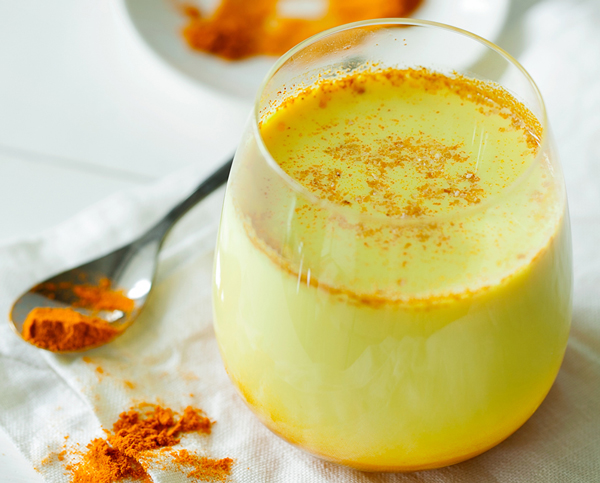
Here is a blender berry smoothie with added turmeric, which turns the drink to a lovely peach-gold color. Fresh cranberries are included here, which can be juiced when they are in season, but for a sweeter drink, substitute blueberries, raspberries, strawberries or a mixture.
Serves 1
INGREDIENTS
INSTRUCTIONS
(Dr Susan Aldridge, medical blogger)

Serves 4
INGREDIENTS
2 onions, diced
3 cloves garlic, minced
Spices: include a mixture of black mustard seeds, fennel seeds and cumin seeds, all blasted in a grinder or ground in a pestle and mortar, plus one teaspoon each of ground turmeric and ground cinnamon.
2 Tbsp tomato purée
1 Tbsp chili jam
4 oz (100 g) red lentils
4 oz (100 g) yellow split peas
14 fl oz (400 mL) water
12- or 16-oz bag frozen peas or mixed veg
INSTRUCTIONS
This is a good dish to serve over two days. Day 1, add a baked sweet potato, and the next day, reheat and serve with 7 oz (200 g) basmati rice or a similar grain with some interesting additions (I used one with pinto beans, chili and lime—there are lots of options to try).
A dollop of mint and cucumber raita and a spoonful of mango chutney wouldn’t go amiss either.
(from Easy. Tasty. Healthy. by Barbara Cousins)
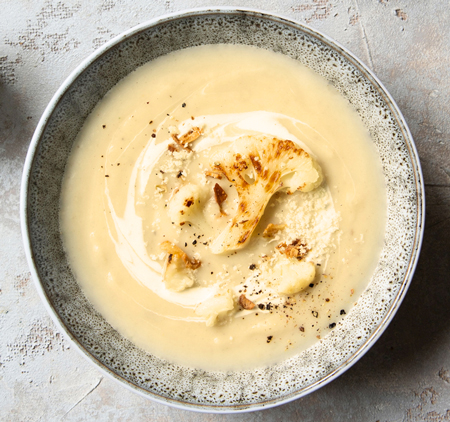
Serves 2 to 4
INGREDIENTS
1/2 cauliflower (about 14 oz or 400 g), broken into florets and stem sliced
1 onion, diced
1-inch (2.5-cm) piece fresh ginger, peeled and grated
1 stock cube dissolved in 16 oz (1.2 L) boiling water
1 tsp ground cinnamon
1 tsp ground cumin
1/2 tsp garam masala
1/2 tsp turmeric
seeds from 10 cardamom pods, crushed
2 oz (50 g) ground almonds
salt and lots of freshly ground black pepper
paprika for sprinkling
INSTRUCTIONS
(Frances Ive)
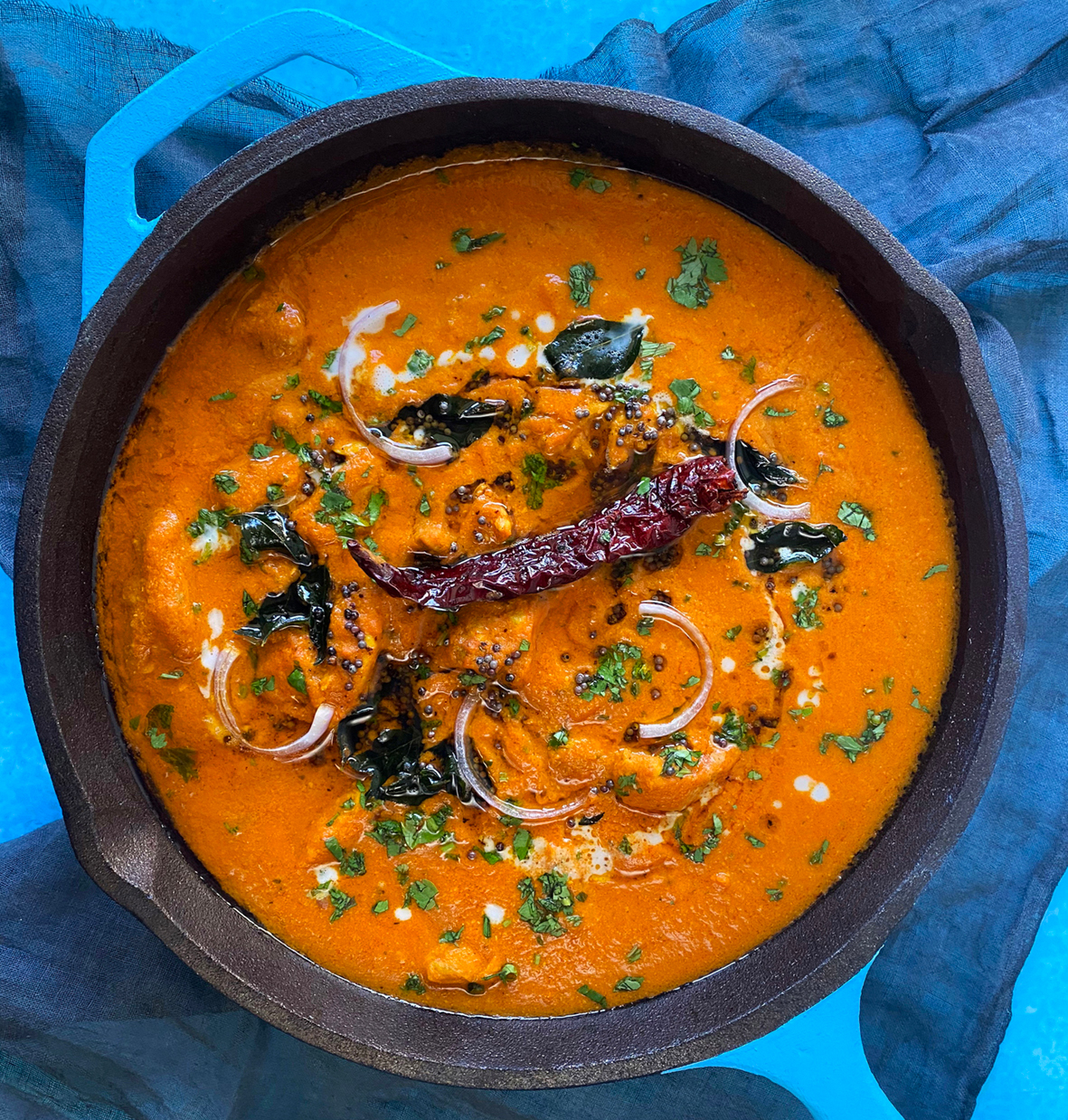
Serves 4
INGREDIENTS
4 chicken breasts
9 oz (250 g) plain yogurt (cow’s, goat’s, soy or coconut)
pinch of Himalayan pink salt (or unrefined sea salt)
3 onions
3 cloves garlic
1-inch (2.5-cm) piece of fresh root ginger (or 1 Tbsp ground ginger)
1–2 tsp chili
1 tsp ground turmeric
1 tsp ground coriander
1 tsp ground cumin
1 tsp cinnamon
1 tsp ground cloves
1/8 packet creamed coconut
1/2 tsp mustard
2 Tbsp ghee (or coconut oil)
2 cups hot water
juice of 1 lemon
1 small bunch cilantro leaves, chopped
INSTRUCTIONS
(Frances Ive)
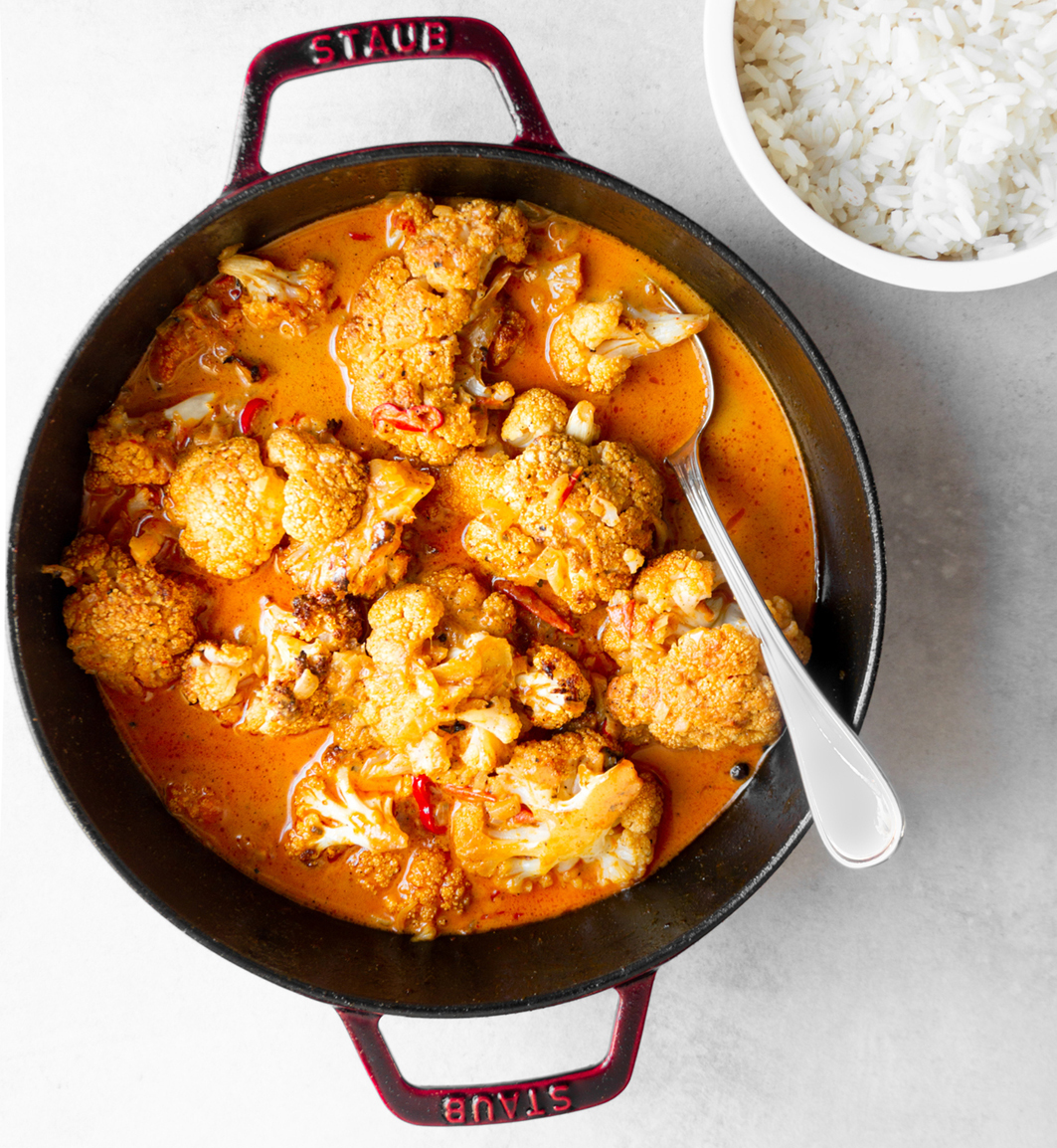
Serves 2 to 4
INGREDIENTS
1-inch (2.5 cm) piece of fresh ginger, grated
2 garlic cloves, minced
2 red onions, diced
1 Tbsp coconut oil
1 tsp ground turmeric
1 tsp ground cumin
1 tsp ground coriander
1 tsp cumin seeds
1 large cauliflower
4 oz (250 g) plain yogurt (soy, coconut, cow’s or goat’s)
1 sachet or 1/4 of a block creamed coconut, or 14 fl oz (400 mL) coconut milk
INSTRUCTIONS

Excerpted from One Step Ahead of Osteoarthritis by Frances Ive (Hammersmith Health Books, 2022).
|
References |
|
|
1 |
J Altern Complement Med, 2003; 9(1): 161–8 |
|
2 |
Scand J Rheumatol, 2005; 34(4): 302–8; Osteoarthritis Cartilage 2008; 16(9): 965–72; Curr Ther Res Clin Exp, 2003; 64(1): 21–31 |
|
3 |
J R Soc Med, 2000; 93(6): 305–9 |
|
4 |
Nutr J, 2016; 15: 1 |
|
5 |
Adv Ther, 2002; 19(5): 209–18 |
|
6 |
Rheumatol Int, 2007; 27(6): 585–91 |
|
7 |
Phytother Res, 2012; 26(10): 1441–8 |
|
8 |
Eur J Neurosci, 2014; 39(3): 485–500 |
Ayurvedic treatments
|
References |
|
|
1 |
J Clin Rheumatol, 2004; 10(5): 236–45 |
What do you think? Start a conversation over on the... WDDTY Community

Great news! Discounts are available based on your cart total. Check the details below: