Mommy, why is medical advice so contradictory? Perhaps not a question your typical five-year-old would ask, but if she did, go to the top of the class! She’d be right. We hardly know which way to turn when it comes to the amount of exercise we should be getting, the food we should eat or whether we should be taking vitamins.
But the contradictory crown—the very apotheosis of double-think—is reserved for the advice we get on drinking. Should we or shouldn’t we, and if we do, how much dare we sip?
In the space of a couple of recent weeks, we’ve been told:
1) Previous research that had suggested even one glass of wine was lethal was wrong, and moderate drinking probably won’t do you too much harm.
2) Actually, forget that, some of those findings excluded high-risk groups, so no, even moderate drinking is dangerous.
3) You know what? As you were, a glass of red wine every day is probably fine (but only one, mind you).
It’s enough to drive us to distraction—literally. One recent study found that people who hear or see conflicting health information end up confused—not surprisingly—and they made more errors in a simple computerized task, were less able to focus and, horror of horrors, “had more negative feelings about research and scientists,” said the researchers from Rutgers University in New Jersey.1
How come so much conflicting health advice gets published in the first place? There’s enormous pressure on academics to say something, anything, in fact. A report out of China reveals that the tenure and salary of university professors is solely contingent on the number of research studies they’ve published. While things may not be quite as extreme in the West, similar pressures do exist.
Then there is the medical model itself that focuses on the particular, not the general. The era of specialization has spawned research that has been cut from the same cloth. And when you can’t see the forest for all those trees, nonsense can ensue.
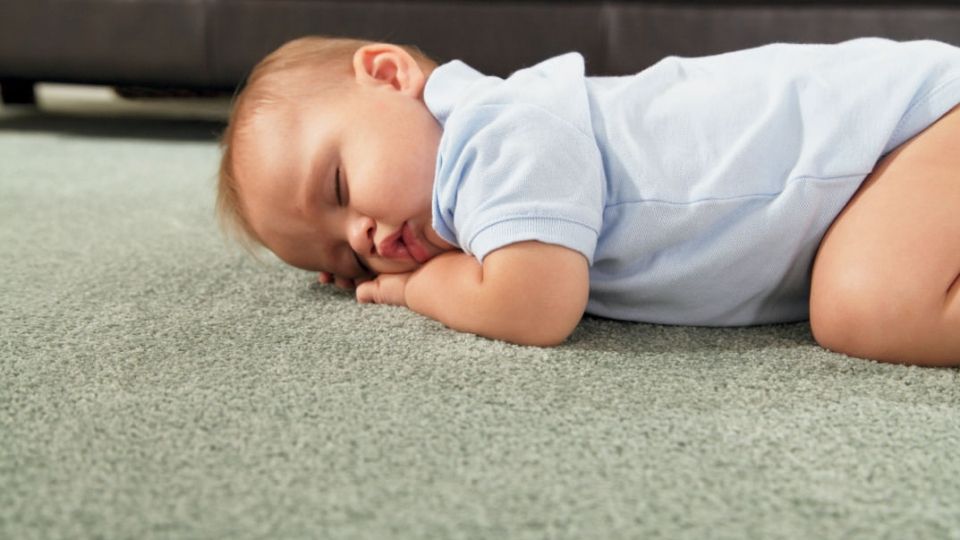
A recent wood-for-the-trees study, which made all the newspapers and news sites, illustrates the point—it discovered the “sweet spot” when we should all be asleep. And, in case you missed it, that’s between 10 p.m. and 11 p.m. People who fall asleep in that one-hour window are half as likely as the rest of us to suffer from cardiovascular disease (CVD).2
If you fall asleep between 11 and midnight, your risk of CVD goes up 12 percent compared to those who drift off in that Goldilocks hour between 10 and 11. If you’re already asleep before then, your risk rises to 24 percent, and the really naughty ones who are awake after midnight get what they deserve—a 25 percent increased risk.
But the researchers missed an important point. The diets and general lifestyle of the 88,000 participants weren’t taken into account—only the time they went to sleep was.
So could it be—and it’s just a suggestion from us woods—that people who go to bed earlier have other physical or mental health issues going on, like chronic fatigue or depression, that also make them more likely to develop heart disease?
And could it also be—again, just a foresty-like idea—that people who go to bed after midnight are also more likely to have poorer lifestyle habits that could, for example, play with the possibility of having a late-night pizza before turning in?
Not all who go to bed earlier have chronic diseases, and not every night owl makes unhealthier lifestyle choices, but it’s more than a possibility it’s true for some.
The researchers would have needed to tease out those differences, which they didn’t do. Had they done so, and arrived at more nuanced results, the paper probably wouldn’t have been the stuff of headlines.
But because they didn’t, another paper will likely turn up in the next month or so that contradicts those findings. And that’s why you get contradictory medical research: wood for the trees, wood for the trees.
Go tell your five-year-old.
|
References |
|
|
1 |
J Behav Med, 2021; doi: 10.1007/s10865-021-00256-4 |
|
2 |
Eur Heart J, 2021; ztab088; doi.org/10.1093/ehjdh/ztab088 |
What do you think? Start a conversation over on the... WDDTY Community

Great news! Discounts are available based on your cart total. Check the details below: