
Can you recommend any natural treatments for dry eye syndrome? Lately, my eyes have been feeling very dry and gritty, particularly toward the end of the day. Are there effective drug-free options?
S.S., via email
Dry eye syndrome, when the eyes don’t produce enough quality tears or the tears evaporate too quickly, is one of the most common conditions seen by eye care practitioners.1 As well as feelings of dryness, sufferers may experience burning, grittiness, stinging, fatigue, blurred vision and a foreign body sensation in the eyes.
The usual treatment is artificial tears—eye drops to lubricate the eyes—but these may only offer temporary relief, and they do nothing to treat the underlying cause of the problem.1
Indeed, certain medical conditions are known to cause dry eye syndrome including Sjogren’s syndrome, rheumatoid arthritis, lupus, thyroid disorders and allergies. Lifestyle factors, such as nutritional deficiencies and computer use, as well as medication, can also cause or contribute to dry eye.
Lockdowns and quarantining, which most of us have experienced in the last couple of years, have been implicated in dry eye syndrome, too, probably because more time is spent on digital devices.2 And prolonged use of face masks, especially poorly fitting ones, can make dry eye symptoms worse.3
Your best course of action would be to try to get to the root cause of your dry eye symptoms with the help of a doctor, ophthalmologist or functional medicine practitioner and address it with a holistic treatment plan. But here’s a general guide to the best natural solutions for dry eye syndrome.

Digital displays are known to contribute to dry eye symptoms. In one study, using a smartphone significantly increased eye dryness, fatigue and burning sensations after an hour and induced tear film instability and oxidative stress after four hours.4
But computers seem to be worse for your eyes. A study comparing the effects of reading for 15 minutes on a laptop computer, tablet, e-reader and smartphone found that the computer produced the highest disturbance on the surface of the eye and tear film, while the smartphone produced the least.5
Whatever devices you use, try to limit the amount of time you use them and take frequent breaks. Looking away from your screen and focusing on something in the distance at regular intervals may help reduce eye dryness and strain.6 Remember the 20–20–20 rule: for every 20 minutes spent looking at a screen, look at something 20 feet away for 20 seconds.

Acupuncture was found to be more effective for dry eye syndrome than artificial tears in one pooled analysis of seven trials.7 Traditional Chinese herbs, such as Chi-Ju-Di-Huang-Wan, have also proved to work.8
To find a qualified TCM practitioner near you, visit www.nccaom.org (US) or www.atcm.co.uk (UK).

A standardized extract of maqui berry (Aristotelia chilensis), a dark purple fruit native to Chile and southern Argentina, has been found to significantly increase tear fluid volume and reduce dry eye symptoms after one to two months.9 Known as MaquiBright, the extract is available in the effective dosage in Life Extension’s Tear Support with MaquiBright supplement.
Suggested dosage: 60 mg/day
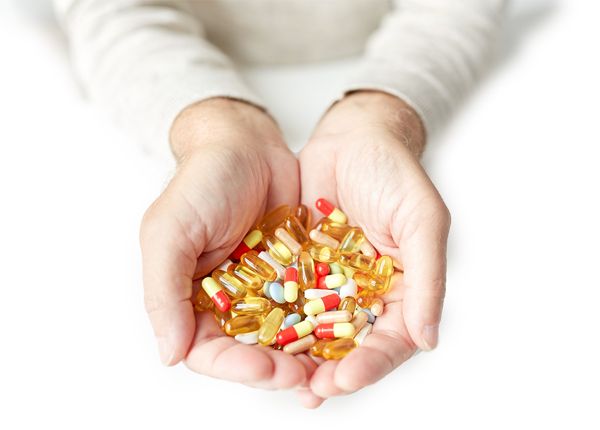
Vitamin D. A lack of vitamin D has been linked to dry eye syndrome.10 The vitamin appears to play an important role in enhancing tear film function and reducing inflammation on the surface of the eye.11 In one study, patients deficient in vitamin D experienced an improvement in the severity of their dry eye symptoms two weeks after being given a high-dose vitamin D injection.12
Suggested dosage: Home testing kits for vitamin D are available via the Vitamin D Society (www.vitamindsociety.org) and Better You (www.betteryou.com), along with a personalized supplementation plan based on your results (or see your doctor)
Vitamin A. Men with dry eye given vitamin A supplements for three days showed an improvement in tear quality.13 The vitamin also seems to be effective for dry eye symptoms when used topically as eye drops.14
Suggested dosage: A high dose of 1,500 mg/day was given in the study; consult a practitioner for a suitable long-term daily dose for you
Probiotics. Supplementing with a mixture of two probiotic strains, Saccharomyces boulardii MUCL 53837 and Enterococcus faecium LMG S-28935, reduced dry eye syndrome in a preliminary trial.15
Suggested dosage: Look for a high-quality supplement containing these strains or a multi-strain formula, and follow the label instructions
Essential fatty acids. A supplement containing a combination of omega-3 and -6 fatty acids helped to relieve dry eye syndrome in one study.16 Another trial compared two forms of omega-3 supplement, fish oil and krill oil, and found that, while both were effective for dry eye, krill oil had a few extra benefits.17
Suggested dosage: Try a high-quality fish oil or krill oil supplement, such as Wiley’s Finest Peak Omega-3 Liquid or Dr Mercola Krill Oil, and follow the label instructions

A recent study of over 100,000 people found that not getting enough sleep, or having poor-quality sleep, is associated with dry eye syndrome. Those who slept less than eight hours a day, had difficulty falling or staying asleep or who woke up tired were significantly more likely to suffer from dry eye.18
Herbs like lavender, valerian and chamomile can help with trouble sleeping. See page 34 for more information.
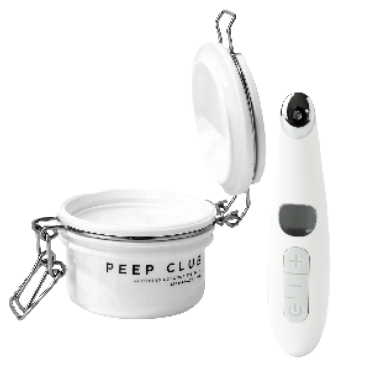
One study found that twice-daily use of a thermal massager, which involved applying vibration, massage and heat to the eye area, was more effective than artificial tears in treating dry eye syndrome.20 One such device is the Heated Eye Wand by Peep Club (www.peepclub.com), which uses LED red light therapy as well as heat and vibration to help with dry eye symptoms. It’s designed to be used with Peep Club’s 100 percent natural Soothing Coconut Eye Balm, which contains coconut oil and chamomile extract, both of which have anti-inflammatory properties.21

Some evidence suggests that eating a Mediterranean diet, which is rich in fruits, vegetables, fish, nuts and olive oil, could be beneficial for dry eye syndrome. Combining it with exercise and weight loss (if needed) may bring bigger benefits.22

A long list of medications can cause dry eye; below are just a few of them.19 Speak to your doctor about any you are taking and look into alternatives if needed.
|
References |
|
|
1 |
Clin Ophthalmol, 2009; 3: 405–12 |
|
2 |
Risk Manag Healthc Policy, 2021; 14: 1629–36; Sci Rep, 2021; 11: 24434 |
|
3 |
Indian J Ophthalmol, 2021; 69(6): 1508–10; Med Arch, 2021; 75(2): 144–8 |
|
4 |
PLoS One, 2018; 13(10): e0206541 |
|
5 |
Optom Vis Sci, 2020; 97(12): 1070–9 |
|
6 |
Nepal J Ophthalmol, 2013; 5(2): 161–8 |
|
7 |
Evid Based Complement Alternat Med, 2015; 2015: 143858 |
|
8 |
Phytother Res, 2005; 19(4): 349–54; Tzu Chi Med J, 2021; 33(4): 365–9 |
|
9 |
Panminerva Med, 2014; 56(3 Suppl 1): 1–6; J Tradit Complement Med, 2018; 9(3): 172–8 |
|
10 |
Acta Ophthalmol, 2020; 98(8): 749–54 |
|
11 |
Int J Rheum Dis, 2016; 19(1): 49–54 |
|
12 |
Sci Rep, 2016; 6: 33083 |
|
13 |
Clin Ophthalmol, 2019; 13: 599–604 |
|
14 |
Am J Ophthalmol, 2009; 147(2): 206–13.e3 |
|
15 |
Curr Clin Pharmacol, 2017; 12(2): 99–105 |
|
16 |
J Fr Ophtalmol, 2011; 34(7): 448–55 |
|
17 |
Ophthalmology, 2017; 124(1): 43–52 |
|
18 |
Ocul Surf, 2021; 21: 306–12 |
|
19 |
J Ophthalmol, 2012; 2012: 285851 |
|
20 |
Br J Ophthalmol, 2014; 98(1): 46–51 |
|
21 |
J Sci Food Agric, 2021; 101(6): 2182–93; Mol Med Report, 2010 Nov 1; 3(6): 895–901 |
|
22 |
Nutrients, 2020; 12(5): 1289 |
What do you think? Start a conversation over on the... WDDTY Community

Great news! Discounts are available based on your cart total. Check the details below: