
Spring is in the air. The trees are budding, grass is growing, and you’re wheezing and sneezing with your nose streaming. The world is beckoning, but your eyes are itching and watery. You want to go back to bed because your immune system is having a maddening hyper-response to tree pollen that makes you feel like you have a head cold.
Or maybe you’re affected like this any time of year by cat dander or dust, or you break out in hives when you eat something you like but your immune system doesn’t, such as strawberries, peanuts or pineapple.
Join the club. Allergic conditions including food allergies, skin allergies (such as eczema) and respiratory allergies (such as hay fever) are among the most common medical conditions in Europe and the US. A whopping 150 million Europeans and more than 50 million Americans suffer from chronic allergies, and one in five of them live in daily fear of an asthma attack or life-threatening allergic reaction.1
Children are especially prone to allergies, but the incidence of food allergies is growing in adults, too, according to a 2020 review of the medical literature (see box, page 30). “Worryingly, recent data indicate that food allergies may be more prevalent among adult populations than previously acknowledged, with many reported cases of adult-onset allergies,” the researchers concluded.2
The skin allergy eczema has been on the rise as well, according to researchers who found that it “increased worldwide over the past 30 years, to the extent that it is now one of the most common chronic diseases, affecting about a fifth of the population in developed countries.”
Among children, 15 percent to 30 percent have a skin allergy; among adults, estimates range from 0.3 percent to 14.3 percent, with most reports falling somewhere between 1 percent and 3 percent.3
The usual response from mainstream medical doctors to this pandemic of allergies is a tsunami of drug prescriptions—for steroid creams, antihistamines, injections, inhalators, EpiPens and so on.
For respiratory allergies, these drugs are generally divided into first- and second-generation antihistamines. First-generation include diphenhydramine (Benadryl) and chlorphenamine. The labels on these drugs warn, “Do not operate heavy machinery while taking this medication,” because a common side-effect is sedation.
Some people report feeling drunk while taking medicines like Benadryl and even losing consciousness. It is a central nervous system depressor, and some of its common side-effects are drowsiness, dry mouth, urine retention, enlarged prostate and double vision.
But even scarier: a 2019 study from the University of Washington found that people who used these drugs long-term were more likely to be diagnosed with dementia than those who didn’t use them. The more that study participants used first-generation antihistamines and other anticholinergic drugs, the greater the dementia risk. People who took an anticholinergic drug like Benadryl for the equivalent of three years or more had a 54 percent higher dementia risk than those who took the same dose for less than three months.4
Second-generation antihistamines (also sometimes called non-sedating antihistamines) like cetirizine (Zyrtec), levocetirizine (Xyzal), fexofenadine (Allegra) and loratadine (Claritin) target the same histamine production system in the body that generates allergy symptoms, but they’re less likely to cross the blood-brain-barrier and so have fewer reported side-effects.
Still, in some people, Zyrtec can cause confusion or hyperactivity, restlessness and urine retention, among other side-effects. Claritin’s common side-effects include headache, fatigue, anxiety, diarrhea, eye redness, blurred vision, nosebleeds and skin rash. Little wonder some people would rather suffer with their allergies than suffer with the medication for their allergies.
Another go-to pharmaceutical for allergies is over-the-counter nasal sprays, which can temporarily alleviate symptoms but have their own set of health hazards. Greg Screws, a broadcaster at WHNT News in Huntsville, Alabama, discovered the perils of using a nasal spray for congestion in 2018 when he didn’t realize he was over-using the sprays, which can rapidly cause a dependence.
He developed “blowback” syndrome, which causes rebound swelling of the nasal passages. This leads to addictive nasal spraying—just to keep the air flowing. Greg was carrying nasal spray with him everywhere, in his car, his pockets, bags and drawers all around the house.
Within just eight weeks of buying his first bottle of the spray, he had developed high blood pressure, shortness of breath and chest pain. He ended up at the hospital in a full-blown hypertensive crisis with a blood pressure of 180/110.
It was a familiar scenario to Dr Mark Hagood, an ear, nose and throat specialist who Greg interviewed in a broadcast exposing the danger in 2018. “I’m not seeing too many people get off of it that didn’t take systemic steroids,” Hagood said. “So if we didn’t give them something like prednisone or something like that to help them combat that rebound, it’s really tough to get off of.”5
When medicines are addictive, they’re easier to sell, and the leading over-the-counter nonsteroid nasal spray brands like Afrin make about $120 million annually in the US alone.
Steroidal nasal sprays like Flonase have another set of hazards, as they can lead to osteoporosis with long-term use and can cause restricted growth in children and teens. Flonase has also been linked to glaucoma. More common side-effects include stuffy or runny nose, nosebleeds, cough, pain or tenderness around the eyes and cheekbones, tiredness, weakness and back pain. In 2013, the US Food and Drug Administration began approving these previously prescription-only steroid nasal sprays for over-the-counter sales. By 2019, annual sales of these drugs topped $380 million in the US.6
Food allergies are in a category of their own. Conventional medicine typically advises to simply avoid the foods you are allergic to and to take an antihistamine when accidents happen.
For serious allergic reactions—the kind that cause hives inside your body as well as on your skin, that can restrict your airways and lead to dangerously plummeting blood pressure that can kill—portable epinephrine shots, the most common of which are EpiPens, are essential. About 3.6 million prescriptions for EpiPens were doled out in 2015 in the US alone.7
All of these conventional treatments are Band-Aid solutions, however, that treat the symptoms of allergies but don’t address the underlying cause, which is a haywire immune system overreacting to harmless foreign particles that it perceives as threats. The allergy symptoms are the bystander damage from the immune system assault.
What causes an immune system to become so trigger-happy? A growing medical literature is linking allergies to a disrupted microbiome—the presence or absence of key species of bacteria and other microbes that make up a critical part of the immune system.
The “hygiene hypothesis,” as it was first described in 1989, found that children with a greater number of older siblings had the lowest rates of hay fever.
“Over the past century declining family size, improvements in household amenities, and higher standards of personal cleanliness have reduced the opportunity for cross infection in young families,” wrote D.P. Strachen, an epidemiologist from the London School of Hygiene and Tropical Medicine. “This may have resulted in more widespread clinical expression of atopic disease, emerging earlier in wealthier people, as seems to have occurred for hay fever.”8
The hygiene hypothesis has evolved over the years, taking into account an increasing number of environmental factors including previous infections, pet ownership and smoking.9
Antibiotics are an obvious culprit for altering the immune system via the microbiome. Targeted to kill pathogens, they also decimate off-target microbes (so-called “good bacteria”) and are frequently prescribed in error.
A 2018 report from the US Centers for Disease Control and Prevention (CDC) claimed that nearly 67 million antibiotic prescriptions were written for children younger than 19, the most common of which were broad-spectrum amoxicillin (35 percent) and azithromycin (18 percent). The CDC called this “concerning,” since prescribing this class of antibiotics is rarely recommended and can lead to superinfections.
Antibiotics turn out to be the reason for about 70,000 emergency room visits every year for children with adverse drug events—many of which involve allergic reactions to the drugs.10
Antibiotic use is also linked to chronic allergic disease. A study that looked at the records of 792,130 American children from 2001 to 2013 found children prescribed acid-suppressant medications or antibiotics in the first six months of life were significantly more likely to develop allergic diseases including asthma, hay fever and anaphylaxis.11
Whatever the underlying causes of immune-mediated allergic diseases, as with most diseases, the solution seems to be in healing the gut—which houses a critical part of the immune system in the form of bacteria, viruses and even fungi that make up our microbiome.
The gut lining is a gatekeeper that allows nutrients like vitamins and minerals to leave the gut and enter the bloodstream, where they are used. It also prevents toxins, pathogens and food proteins from entering the bloodstream and wreaking havoc.
Hundreds of studies now look at how bacterial products called endotoxins and foreign proteins from food can leak through the gut lining and enter the bloodstream, whereby they trigger the immune system’s potent assault weaponry and cause chronic inflammation.12
The trick to healing immune-mediated diseases and reversing allergies lies in healing the gut first, according to Dr Damien Downing, president of the British Society for Ecological Medicine and author of The Vitamin Cure for Allergies (Basic Health Publications, Inc., 2010).
Naturally, healing the gut begins with changing the food it processes. Downing recommends cutting all inflammatory foods including sugar and grains, especially wheat. Wheat contains gluten, which has been shown experimentally to damage the gut lining, and a wheat protein called gliadin, a component of gluten, has also been shown to trigger immune reactions.
A ketogenic diet is a strict grain-free diet enriched with “good” fats that causes the body to switch into fat-burning mode. It’s often used to lose weight, but its other therapeutic uses for healing diseases from autoimmune conditions to mental illnesses are coming to light.
A clean ketogenic diet will cause bacteria in the body to produce butyrate and hydroxybutyrate—short-chain fatty acids that nourish gut cells, preserve the integrity of the gut lining, support digestive health and control inflammation.
A recent paper discusses how butyrate is a natural potent antibiotic for gut infections with bacteria such as Acinetobacter baumannii, Escherichia coli and Staphylococcus.13
To make butyrate, your gut bacteria transform dietary fibers found in whole, plant foods. Members of the bacterial phylum Firmicutes, among others, are known to produce butyrate.14
In addition to the crucial role of diet, there are a number of supplements and herbs that support the microbiome with demonstrated effects on allergies.
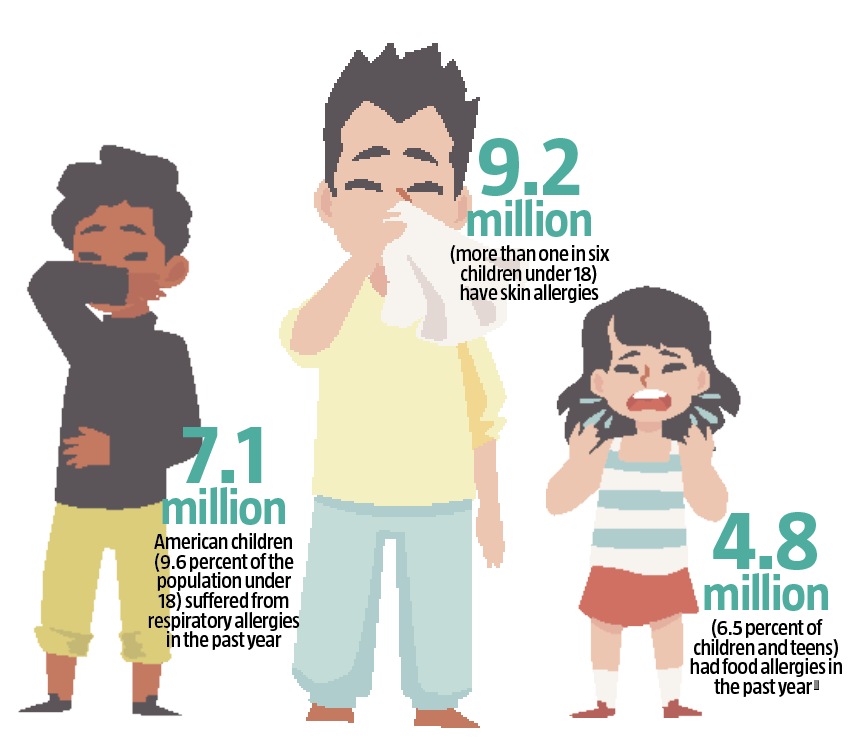
According to the US Centers for Disease Control and Prevention (CDC), allergies have increased across the board so that now:
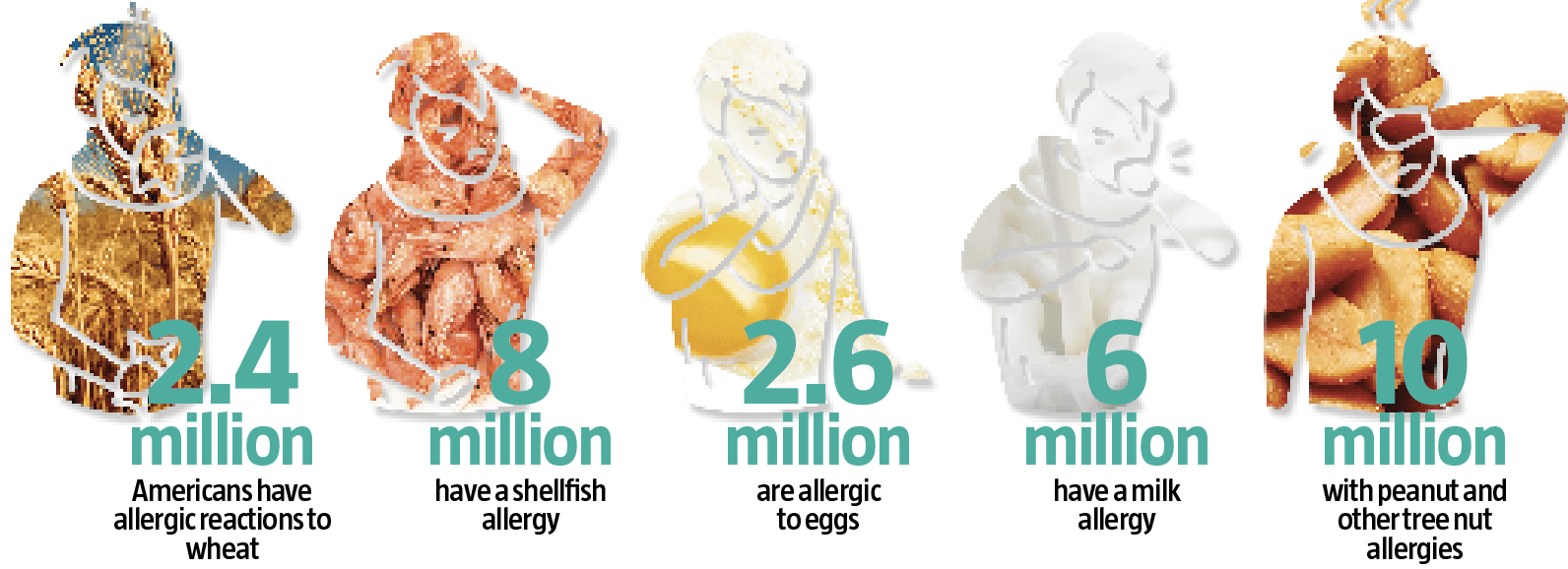
According to the nonprofit Food Allergy Research and Education (FARE), 32 million Americans have food allergies, including 5.6 million children. This includes the figures below.
Some of those allergies are serious. Each year in the US, 200,000 people require emergency medical care for allergic reactions to food.”1 This amounts to about $24.8 billion in healthcare costs.
Zinc carnosine
“One thing that I think is beautiful,” Dr Downing said about supplements that heal the gut, “is zinc carnosine.”
A 2020 review of studies into zinc-L-carnosine (ZnC) reported that its potent anti-inflammatory and antioxidant effects are likely the reason for its reported effects on healing ulcers and gastrointestinal injury. In fact, ZnC is approved for use in Japan for the treatment of stomach ulcers.15
In one randomized, controlled, double-blind study, 258 people with stomach ulcers were randomly assigned to receive an eight-week course of 150 mg ZnC per day, 800 mg of cetraxate hydrochloride (a drug used to protect the gut lining), or one of two placebos.
After eight weeks, the ZnC group slightly outperformed the cetraxate group in a subjective measure of symptom improvement, with 75 percent of people in the ZnC group reporting that they were markedly improved, compared to 72 percent of the cetraxate group.
The difference in total cure rate, as determined by endoscopy, was even greater, however, with a 60 percent cure rate in the ZnC group compared to 46 percent in the cetraxate group at eight weeks.16 Other studies have confirmed these improvements in mucosal healing and symptoms at doses as low as 50 mg twice daily.15
Phosphatidylcholine
Phosphatidylcholine, or PC for short, is a little-known but critical nutrient that functions in every cell in the body. Among its many roles, it is a major component of membranes and a source of choline, an essential part of the neurotransmitter acetylcholine that is necessary for brain function. Additionally, PC helps to repair the gut lining.
In one study, researchers from the University Hospital Heidelberg in Germany gave 60 patients with chronic active, non-steroid-dependent ulcerative colitis (a disease that involves erosion of the gut lining) a PC supplement or placebo daily for three months. During that time, 16 people in the PC group (53 percent) achieved clinical remission, compared to just three (10 percent) in the placebo group. A measurement of clinical activity improved by an average 70 percent in the PC group, compared with no change in the placebo group. 17
In a randomized, placebo-controlled trial of 156 ulcerative colitis patients published in the Journal of Gastroenterology, those given 3.2 grams of a slow-release PC complex daily reported an average 50 percent improvement in symptoms, and there was a 31 percent remission rate after 12 weeks.18
Foods high in PC include fish, beef, eggs, poultry and nuts. If you are looking for extra PC, Dr Downing recommends taking a tablespoon of liquid phosphatidylcholine with a protein-containing meal or smoothie, which is the equivalent of about nine capsules daily.
Probiotics
“Strong evidence exists for the use probiotic agents to improve symptoms for allergic rhinitis,” according to a 2021 review paper in the American Journal of Otolaryngology.19
Dozens of studies show how different probiotics can tamp down hyper-allergic immune responses. For example, one randomized crossover trial in which 63 children with chronic hay fever were treated with a standard antihistamine (Xyzal) alone or with addition of the probiotic Lactobacillus johnsonii EM1 found that the probiotic produced better results than Xyzal alone, and this difference lasted for at least three months after the probiotic was stopped.20
In a randomized, double-blind, placebo-controlled clinical trial, 49 patients with chronic hay fever were given either 100 mL of heat-treated fermented milk containing Lactobacillus acidophilus strain L-92 or a placebo without probiotics. The Lactobacillus group had improved nasal symptoms, eye symptoms and marked decrease in swelling of the nasal mucosa compared to the control group.21
A 2021 review of the medical literature on probiotics and eczema outlined a number of clinical trials and meta-analyses in which Lactobacillus and Bifidobacterium probiotic strains were shown to reduce the risk of atopic dermatitis in infants and children, such as a 2018 double-blind randomized controlled trial of 50 children between 4 and 17 years old that found a mixture of Bifidobacterium strains reduced the severity of eczema.22
In another recent review, this one on the role of microbes in food allergy, author Cecilia Berin, Professor of Pediatrics and the Associate Director of the Jaffe Food Allergy Institute at the Icahn School of Medicine at Mount Sinai in New York, writes, “The demonstration that microbes determine susceptibility to food allergy in experimental systems has led to a great deal of excitement about the possibility of microbial-based therapeutics.”23
A clinical trial is currently underway at Boston Children’s Hospital to assess whether fecal microbiota transplants from a healthy individual can improve peanut allergies.24
Oral probiotics are showing promise, too. Australian researchers gave children with peanut allergies the probiotic Lactobacillus rhamnosus together with peanut oral immunotherapy (where the allergic person is given incremental amounts of an allergen to the threshold triggering a reaction) and found it protected them from peanut allergy.25 Another large-scale clinical trial of this therapy is currently underway.26
Researchers from Massachusetts General Hospital and Vedanta Biosciences are also currently conducting a clinical trial of a selected mix of human probiotic strains known to suppress allergic disease (VE416) for the treatment of peanut allergy.27
And there are still many new strains of probiotics to be discovered. A recent twin study, for example, identified two important strains of bacteria previously unknown to impact food allergy.
The study analyzed 18 twin pairs in which one or both twins had food allergies to look for differences in gut bacteria. Among the bacterial strains that differed between non-allergic and allergic twins were two species that had never been linked to allergy before: Phascolarctobacterium faecium and Ruminococcus bromii.28
While these aren’t yet available in supplement form, they—along with countless other beneficial microorganisms—may be present in Mother Nature’s original probiotic: fermented foods.
Fermented foods including sauerkraut, kimchi, kombucha and yogurt are rich sources of mixed probiotics. Their fermentation produces bacteria that are similar to the organisms found in probiotic supplements, but will generally include a much wider diversity of microbes.
An immune-stimulating ingredient called aluminum hydroxide used in multiple common childhood and some adult vaccines, including those for tetanus and HPV, is also used to create animal models of allergic diseases such as allergic rhinitis (hay fever),1 food allergy2 and allergic eye disease.3
Researchers have used aluminum hydroxide bound to Bordetella pertussis (the bacteria in the DTaP vaccine, which the CDC recommends for children at two, four, six and 18 months of age and which also contains aluminum) and exposed laboratory rats to foods (like peanuts or soy) to induce food allergies.4
If researchers are creating allergies in animals by using a common ingredient in vaccines, then it stands to reason that artificial hyperstimulation of the immune system, as occurs in vaccines, may be one trigger for the immune system imbalance underlying the current epidemic of allergies.
Vitamin C
Vitamin C has a long history of fighting off respiratory viruses like the common cold and Covid-19. “Vitamin C also regulates inflammatory response,” according to a 2020 review of ascorbic acid’s anti-infection, immune-regulating abilities. “In animal studies, vitamin C deficiency has been linked with higher circulating histamine levels, which can be rebalanced once vitamin C blood level has been normalized.”29
Suggested daily dosage: Dr Downing recommends a minimum dosage of 500 mg of vitamin C twice per day, although in the current Covid climate, he and other doctors suggest much higher dosage of 3–6 g a day
Vitamin D
Thousands of studies link immune system function to vitamin D levels, and hundreds have looked specifically at vitamin D in allergic disease. There are now many reports confirming the association between low levels of vitamin D and high rates of allergy.
One such study matched 483 asthmatic children with 483 healthy children and measured the vitamin D levels in both groups; the children who had asthma had significantly lower vitamin D on average.
Low vitamin D levels have also been associated with children having more allergic diseases beyond asthma (eczema, hives and food allergies) and higher levels of immune system markers of allergy (IgE molecules in the blood).30
A prospective, randomized, double-blind, placebo-controlled trial of 100 children sensitive to grass pollen or with grass-specific hay fever determined that taking the probiotic Lactobacillus rhamnosus or 1,000 IU of vitamin D daily for five months along with an oral immune therapy improved symptoms and allergy immune markers measurably over the immune therapy alone.31
In another double-blind, randomized controlled trial in which 60 eczema patients over the age of 14 were randomized to receive either 1,600 IU/day of vitamin D or a placebo, there was a significant improvement in the vitamin D group after 60 days, regardless of the initial severity of their eczema.32
VItamin K
It’s important that vitamin D3 is taken with vitamin K2. Vitamin K is a fat-soluble vitamin that is found in green leafy vegetables, some fermented foods like natto and grass-fed brie cheese, egg yolk and liver.
Suggested daily dosage: Many vitamin D products offer a balance of vitamin D3 and K2 in optimal ratios, and Dr Downing advises taking up to 10,000 IU per day if you have allergies or an autoimmune disease and are unable to get adequate sunshine
Magnesium
Your body also needs adequate levels of magnesium to support vitamin D absorption and utilization, says Dr Downing. Besides, low magnesium itself may even be a culprit in allergic responses. While research in this area is very limited, both animal studies and clinical observations support a link between magnesium deficiency and skin allergy.33
Epsom salt baths are one way to increase magnesium levels through the skin, and oral supplements can also be taken. There are a number of different types of magnesium. Magnesium citrate is the most common. Magnesium threonate is one form that is particularly well-absorbed. Magnesium oxide is not ideal as it has low absorption levels.
Suggested daily dosage: 400–600 mg daily of magnesium threonate, citrate or malate, says Dr Downing
Butterbur
Butterbur (Petasites hybridus), an anti-inflammatory herb that grows throughout Europe, Asia and North America, has been used medicinally for centuries to treat migraine attacks, asthma, chronic coughs and gastric ulcers, and has also been shown to help relieve symptoms of seasonal allergies. One study of 125 people with hay fever in Switzerland found that butterbur extract was as effective as the antihistamine drug cetirizine (Zyrtec). Butterbur is also especially helpful when you don’t want your allergy medicine to put you to sleep.
A study published in the British Medical Journal compared butterbur to Zyrtec in 125 patients with seasonal allergies; 61 took butterbur for two weeks and 64 took Zyrtec. The researchers concluded that butterbur worked as well as the drug, but without the effect of drowsiness reported by up to 15 percent of Zyrtec users.34 *See end
Ginger
Ginger, used in many Thai recipes, is also a traditional medicine of Thailand. A 2020 study conducted by Thai researchers compared ginger extract (500 mg per day) to 10 mg loratadine (Claritin) for three and six weeks in a randomized, double-blind, controlled trial of 80 people with hay fever. All of the participants registered an improvement in symptoms.
“The ginger extract is as good as loratadine in improving nasal symptoms and quality of life in [allergic rhinitis] patients,” the study concluded. But with one difference: “ginger extract caused less side-effects especially, drowsiness, fatigue, dizziness and constipation.”35
Black seed oil
Nigella sativa (black seed) oil is a medicinal herb used in the Middle East, Asia and Africa for allergies and many other conditions. In one review of four studies on the efficacy of black seed oil for allergic diseases (hay fever, asthma and eczema), a total of 152 patients were given Nigella sativa oil capsules in doses ranging from 40 to 80 mg/kg/day, and all four of the studies found an overall improvement in patients’ self-reported symptom severity. 36
More recently, a 2019 review of the research on black seed oil concluded that it has “antioxidant, immunomodulatory, anti-inflammatory, antihistaminic, antiallergic, antitussive and bronchodilatory properties,” and that black seed oil “may be regarded as an effective remedy in allergic and obstructive lung diseases as well as other respiratory diseases as a preventive and/or relieving therapy.”37
A 2020 paper even hypothesized that black seed oil would also be useful in treating Covid-19.38 Anecdotally, Governor Seyi Makinde of Nigeria’s Oyo State told reporters last year that when he tested positive for Covid-19, his friend, who happens to be a minister of health for the state, sent him a bottle of black seed oil that he mixed with honey, taking one teaspoon in the morning and one in the evening to “boost immunity.” He credited this routine to helping him stay symptom-free.39
Rosa laevigata
Rosa laevigata (also known as Cherokee rose) has long been used predominantly for medicinal purposes in Asia, where it originated, but the flower now grows wild throughout the US. Its fruits are often used as painkillers in Chinese medicine (where it is known as Ji Ying Zi), and recent pharmacological studies suggest it contains anti-inflammatory flavonoids that also relieve oxidative stress and protect against liver disease.
A 2020 study found that extracts of Cherokee rose dampened lung cells’ inflammatory responses to tiny particulate matter commonly found in air pollution, which especially impacts asthma sufferers.
The study demonstrated potent anti-inflammatory effects, and the researchers, from Kyung Hee University in Seoul, Korea, concluded that the flower “may be developed as a natural remedy” for respiratory diseases caused by the particulate matter in air pollution.40
Ginseng
Ginseng is well known for its traditional healing properties. Some producers of Korean ginseng have fermented a ginseng extract that they claim mimics the fermentation that occurs in the intestine and is more easily and consistently absorbed.
A 2020 review paper reported that this fermented red ginseng extract has been shown to have many adaptogenic qualities, including antioxidant, anti-stress and anti-inflammatory properties, all of which can have anti-allergenic effects.41
*Editor’s note on butterbur
Since the publication of this story in the June 2021 issue of WDDTY, the UK’s Medicines and Healthcare Products Regulatory Agency (MHRA) has written to inform us that butterbur is unlicensed in the UK because of concerns about liver damage with products containing pyrrolizidine alkaloids.
The medical literature concludes that the products with a risk of liver toxicity specifically contain pyrrolizidine alkaloids.1 Appropriate extraction methods to remove these pyrrolizidine alkaloids have been well established.2
According to the US National Institute of Diabetes and Digestive and Kidney Diseases, products that are free of these alkaloids have not been linked to liver and other damage.3 Other studies conclude that alkaloid-free butterbur is safe when taken for up to 16 weeks.
Our editors’ scan of the top 10 available products on both sides of the Atlantic could not find any product claiming to contain pyrrolizidine alkaloids—most specifically claimed to be free from them.
Nevertheless, the MHRA urges UK residents to avoid this herb or stop using it immediately because they are not able to conclude that pyrrolizidine alkaloid-free butterbur products are safe to use. They also state that anyone concerned about any effects of butterbur should consult a qualified medical professional.
In the US, butterbur is unregulated without qualification, and in other European countries, the regulations about this herb seem to be individual to the countries themselves.
WDDTY’s position is that hay fever sufferers who wish to use butterbur should only do so by working with an experienced, licensed herbalist who prescribes a reliably alkaloid -free product and carefully monitors their progress.
REFERENCES – Editor’s note on butterbur
1 Forsch Komplementarmed Klass Naturheilkd, 2003; 10 Suppl 1: 41–4
2 J Pharm Biomed Anal, 2013; 75: 220–9
3 LiverTox: Clinical and Research Information on Drug-Induced Liver Injury. Bethesda (MD): National Institute of Diabetes and Digestive and Kidney Diseases; 2012-. Butterbur. [Updated 2019 Feb 18]. www.ncbi.nlm.nih.gov/books/NBK547997/
Main Article
|
References |
|
|
1 |
Asthma and Allergy Foundation of America, “Allergy facts and figures.” www.aafa.org/allergy-facts; AllergyUK, “Statistics.” www.allergyuk.org/information-and-advice/statistics |
|
2 |
Curr Allergy Asthma Rep, 2020; 20: 6 |
|
3 |
J Investig Allergol Clin Immunol, 2017; 27: 78–88 |
|
4 |
JAMA Intern Med, 2015; 175: 401–7 |
|
5 |
WHNT News, “Nasal Spray “Blowback”: A Serious Health Risk,” Feb 23, 2018. www.youtube.com/watch?v=QuNWfzQuT04 |
|
6 |
Statistica, “Sales of the leading nasal spray/drops/inhaler brands in the United States in 2019 (in million U.S. dollars).” |
|
7 |
Washington Post, August 24, 2016, “Mylan faces more congressional pressure to explain EpiPen price hike” |
|
8 |
BMJ, 1989; 299: 1259–60 |
|
9 |
Curr Opin Allergy Clin Immunol, 2014; 14: 390–6 |
|
10 |
CDC. Antibiotic Use in the United States, 2018 Update: Progress and Opportunities. Atlanta, GA: US Department of Health and Human Services, CDC; 2019. |
|
11 |
JAMA Pediatr, 2018; 172: e180315 |
|
12 |
Front Immunol, 2021. doi.org/10.3389/fimmu.2021.673708; J Exp Med, 2019; 216: 20–40 |
|
13 |
Eur J Microbiol Immunol, 2021; 11: 1–9 |
|
14 |
Neurochem Int, 2016; 99: 110–32 |
|
15 |
Nutrients, 2020; 12: 665 |
|
16 |
Jpn Pharm Ther, 1992; 20: 199–223 |
|
17 |
Gut, 2005; 54: 966–71 |
|
18 |
Am J Gastroenterol, 2014; 109: 1041–51 |
|
19 |
Am J Otolaryngol, 2021; 42: 102883 |
|
20 |
Int J Pediatr Otorhinolaryngol, 2012; 76: 994–1001 |
|
21 |
J Dairy Sci, 2005; 88: 527–33 |
|
22 |
Front Pediatr, 2020; 8: 577413; JAMA Dermatol, 2018; 154: 37–43 |
|
23 |
J Clin Invest, 2021; 131: e144994 |
|
24 |
ClinicalTrials.gov, Identifier NCT02960074 |
|
25 |
J Allergy Clin Immunol, 2015; 135: 737–44.e8 |
|
26 |
Australian New Zealand Clinical Trials Registry, Identifier ACTRN12616000322437 |
|
27 |
ClinicalTrials.gov, Identifier NCT03936998 |
|
28 |
J Clin Invest, 2021; 131: e141935 |
|
29 |
Front Immunol, 2020; 11: 574029 |
|
30 |
Eur Ann Allergy Clin Immunol, 2011; 43: 81–8 |
|
31 |
Allergy Asthma Proc, 2016; 37: 324–34 |
|
32 |
J Drugs Dermatol, 2012; 11: 327–30 |
|
33 |
Postepy Hig Med Dosw (Online), 2007; 61: 548–54 |
|
34 |
BMJ, 2002; 324 |
|
35 |
BMC Complement Med Ther, 2020; 20: 119 |
|
36 |
Phytother Res, 2003; 17: 1209–14 |
|
37 |
Avicenna J Phytomed, 2019; 9: 195–212 |
|
38 |
Curr Pharm Biotechnol, 2020 Nov 10. doi: 10.2174/1389201021999201110205048 |
|
39 |
Daily Post Nigeria, April 7, 2020 |
|
40 |
Evid Based Complement Alternat Med, 2020; 2020: 2893609 |
|
41 |
Biomolecules, 2020; 10: 634 |
Allergic kids
|
1 |
CDC, Summary Health Statistics Tables for U.S. Children: National Health Interview Survey, 2018, Tables C-2b, C-2c, www.cdc.gov/nchs/fastats/allergies.htm |
Allergy epidemic
|
1 |
J Allergy Clin Immunol, 2011; 127: 682–3 |
|
2 |
JAMA Pediatr, 2013; 167: 1026–31 |
Aluminum culprit
|
References |
|
|
1 |
Genet Mol Res, 2014; 13: 5173–81 |
|
2 |
Cells, 2019; 8: 546 |
|
3 |
Allergy, 2003; 58: 1101–13 |
|
4 |
Int Arch Allergy Immunol, 2014; 164: 89–96 |
What do you think? Start a conversation over on the... WDDTY Community

Great news! Discounts are available based on your cart total. Check the details below:


