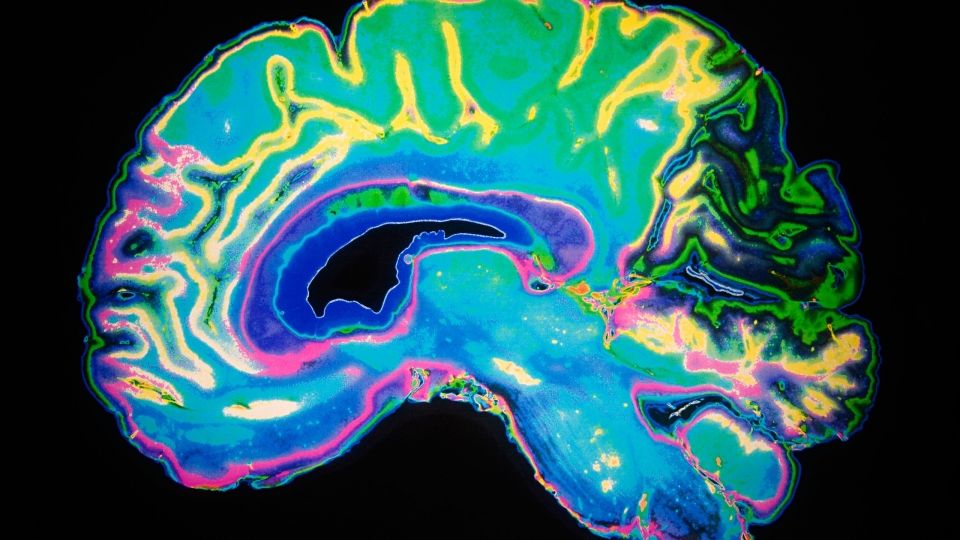
The contrast agents used for MRI scans leave heavy metals on the brain and in the kidneys, and are probably unsafe, a new study has found.
More than 30 million doses of the agents-known as linear-type gadolinium-based contrast agents (GBCA)-are given every year around the world for an MRI (magnetic resonance imaging) scan.
However, deposits of gadodiamide, a heavy metal, have been found on the brain and in the kidneys in patients who have been scanned. People suffering from kidney disease could be at special risk, say researchers with Guerbet, a French pharmaceutical company.
The discoveries could have a big impact on the multi-million dollar market for contrast agents, and could see some agents disappearing altogether, says Val Runge, editor of the journal Investigative Radiology, which published the research. It’s estimated the market for linear-type GBCAs is worth $300m a year, which represents around a quarter of all sales of contrast agents.
The researchers injected the GBCA contrast agent into one group of laboratory rats, a different contrast agent into a second group, while a third group had saline injected.
Those given the GBCA agent had abnormalities in the cerebellum, a result that has also been seen in studies of humans.
(Source: Investigative Radiology, 2015; 1: doi: 10.1097/RLI.0000000000000181)
What do you think? Start a conversation over on the... WDDTY Community

Great news! Discounts are available based on your cart total. Check the details below: