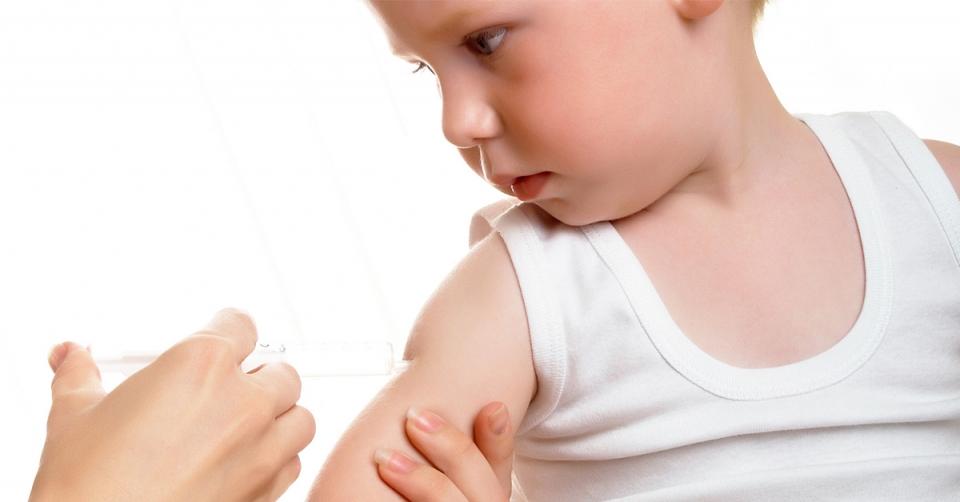
The severity of the disease has worsened in the past 20 years or so – some cases have needed hospital care – and is a trend that coincides with the introduction of a new version of the vaccine, from whole-cell pertussis to acellular pertussis.
In Australia – where the research team is based – the switch started in 1997, and there was almost immediately a ‘second wave’ of atopic cases, after the problem had peaked in the 1980s and had started to decline.
The researchers, from the Wesfarmers Centre of Vaccines & Infectious Diseases in Perth, say that one allergy clinic reported a 12-fold increase in cases, and incidence of fatal anaphylactic shock to food rose by 10 per cent. Around 18 per cent of infants developed a food sensitivity, and 26 per cent suffered from allergic eczema.
Similar increases were being reported in the US and UK around the time when the new acellular vaccine was also being introduced.
The researchers will be working with clinics across Australia to compare the health of infants born between 1997 and 1999 who either had the whole-cell or acellular vaccines. They will be compared to a group of 500 children who have a food allergy.
(Source: BMJ Open, 2018; 8: e020232)
What do you think? Start a conversation over on the... WDDTY Community

Great news! Discounts are available based on your cart total. Check the details below: