A new theory suggests we need high levels of “good” bacteria in the mouth to process nitrates and keep the cardiovascular system healthy. Bryan Hubbard reports
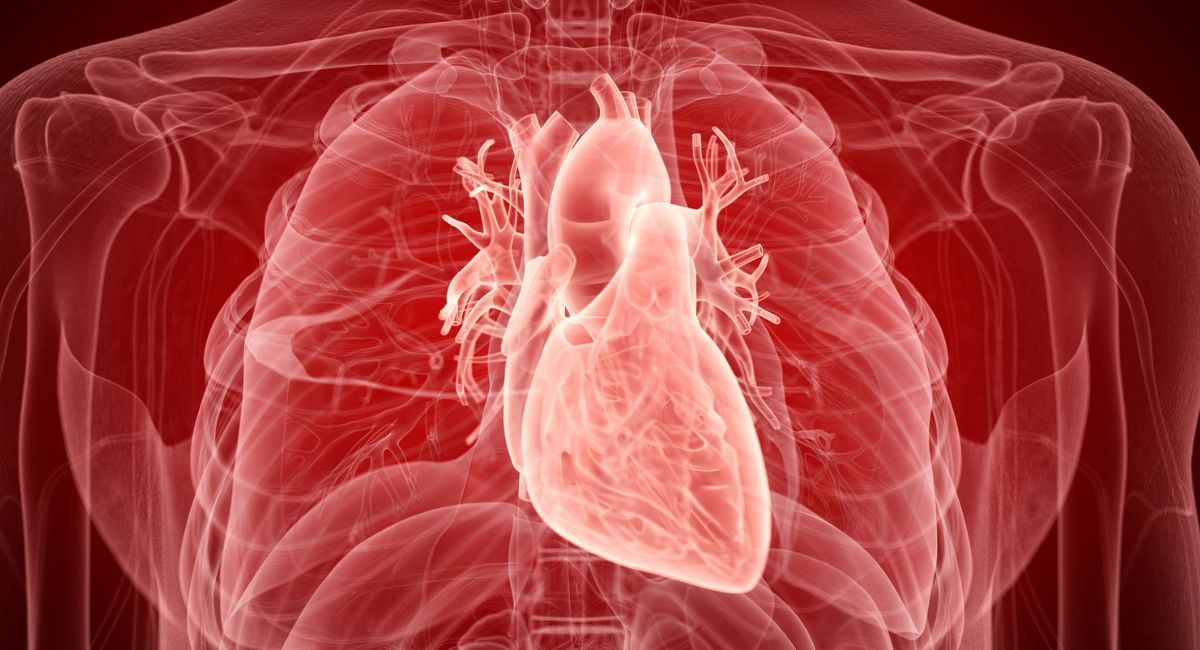
Who’d have thought that drinking beetroot juice for a fortnight could be as effective at lowering high blood pressure (hypertension) as a powerful antihypertensive drug, such as an ACE inhibitor or beta blocker? The discovery throws open the doors to a new theory of cardiovascular disease (CVD) that puts its origins in the mouth and not the arteries, and the dietary approach isn’t low-fat food but nitrate-rich vegetables like spinach and beetroot.
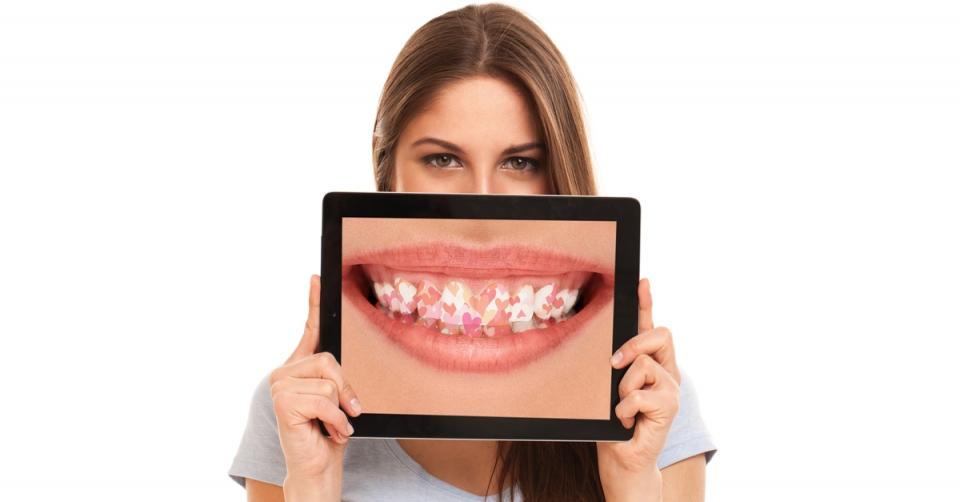
The new theory challenges the “bad fats” model of CVD and instead suggests the genesis of the disease is levels of good bacteria in the mouth, which convert nitrates into nitrites that support the cardiovascular system. For most of us, levels of our good bacteria start to fall as we get older, an insight that could explain why CVD primarily afflicts people over age 70.
This new theory of heart disease is being pioneered by researchers at the University of Exeter, who are among the first to explore the role of bacteria in our mouths in influencing the progress of CVD.
They have witnessed how the nitrates in beetroot juice boost good bacteria in the mouths of older people, which, once reestablished, bring down high blood pressure levels in just two weeks. Over a longer period, the diet would likely improve the health of blood vessels, and so combat atherosclerosis—hardening of arteries—which is a precursor of CVD.
A new understanding of CVD is long overdue. Despite the billions of dollars spent on low-fat diets and cholesterol-busting statins, someone dies from a heart attack or stroke every three minutes. It is still the leading cause of death around the world, killing around 20 million people every year, which accounts for a third of all global deaths.
The failure to reduce CVD’s lethality is down to one massive error in medical thinking: LDL (low-density lipoprotein) cholesterol has little to do with CVD. At worst, it’s a downstream response to the damage caused to arteries by inflammation. If that’s wrong, so too are the remedies of cholesterol-lowering statin drugs and low-fat foods and drinks.
For a healthy person with no history of heart disease, statins reduce the risk of heart disease by just 1 percent—an insignificant reduction that is easily bettered by eating a diet of fresh food. And, unlike food, the drugs come with a range of side effects, including muscle pain and weakness that on rare occasions can lead to fatal kidney failure.
Despite these failures, medicine still clings to the “bad fat” theory. It has dominated medical thinking for 40 years despite the growing body of research that points out its shortcomings. One recent study, carried out by researchers at the Mayo Clinic, discovered that fewer than half of women who suffered a heart attack had blocked arteries.1
The new research at the University of Exeter underscores the importance of nitrates—rather than low-fat foods—on heart health. Nitrates are a vital compound for healthy heart functioning and are made up of oxygen and nitrogen.
It’s well known that nitrates in the food we eat are good for the cardiovascular system, but it’s best to prioritize those from natural, and not processed, sources. Nitrates or nitrites, such as sodium nitrite or potassium nitrate, are added to cured meats and some cheeses to extend shelf life, add color and reduce bacterial growth (see below).
Nitrates are converted by specific bacteria in the mouth into nitrite, which becomes nitric oxide (NO) in the blood.
NO is a strong vasodilator that widens and relaxes blood vessels, improves endothelial function (the endothelium is the thin layer of cells lining the artery) and reduces the buildup of platelets, which form blood clots.
But there’s a missing part to the picture, as the Exeter researchers have recently discovered. Because certain bacteria convert nitrate from foods and drinks into NO, they’re necessary to NO’s heart-protective work, and levels of those bacteria drop as we get older. People in their 50s can start displaying signs of heart disease, and 70 percent of 70-year-olds have some form of CVD.
For their study, the researchers enrolled 39 adults under age 30 and 36 people in their 60s and 70s. All of them drank beetroot juice twice a day for two weeks before switching to a placebo drink.2
Although both groups showed significant changes in their oral microbiome, only the older people benefited with improved blood pressure levels. After drinking the juice, there was a notable drop in Prevotella, a group of bacteria that can harm the heart, but bacteria linked to healthy heart function, including Neisseria, became more abundant.
The older group began the study with higher average blood pressure than the younger participants, but after the nitrate-rich beetroot juice phase, their blood pressure fell. That reduction was not seen after the placebo drink, and it was not seen in the younger adults, which suggests their good bacteria levels were still high.
Lead researcher Anni Vanhatalo commented, “We know that a nitrate-rich diet has health benefits, and older people produce less of their own nitric oxide as they age. They also tend to have higher blood pressure, which can be linked to cardiovascular complications like heart attack and stroke. Encouraging older adults to consume more nitrate-rich vegetables could have significant long-term health benefits.”
Researchers from the University of Vienna carried out a similar experiment last year. They gave beetroot juice to a group of 15 adults aged 56–71 for a month and discovered, as the Exeter researchers saw, that it altered the oral microbiome, increasing Neisseria and decreasing Veillonella.
However, the drink didn’t affect the gut microbiome, and the improvement in the oral microbiome didn’t have a positive impact on high blood pressure. This suggests that levels of good oral bacteria at the start of the study influenced the results.3
The Exeter team says the Vienna study points to a more personalized nutritional approach. Two people can eat the same nitrate-rich foods but respond differently, partly because their oral microbiomes may not process nitrate in the same way. Instead of a one-size-fits-all approach, nutrition therapies should consider lifestyle, sex, age, oral hygiene habits and baseline microbiome differences, which could shape the effects of dietary nitrate.
Heart specialists argue that CVD is a complex disease with many factors at play. High levels of LDL cholesterol are seen as the primary cause when it forms around artery walls and hardens the artery in a process known as atherosclerosis, one of the first signs of CVD.
But cardiologists also argue that the effects of aging play a part. As we get older, vascular aging—in which the heart muscle and blood vessels lose elasticity—makes it tougher to move blood through the body. Also, years of suffering from hypertension and type 2 diabetes have a role in increasing CVD risk.
The new theory accepts part of the picture. Yes, age is the primary factor in CVD, but that’s because we aren’t processing nitrates as efficiently. If we were, vascular aging wouldn’t be happening as blood vessels would maintain their elasticity, and hypertension would also be less likely.
The World Health Organization also stresses the importance of a healthy diet, but its advice focuses on fats—and especially the avoidance of trans and saturated fats—and doesn’t specifically mention the need for nitrate-rich vegetables.
Medicine is slowly tiptoeing away from the “bad” LDL cholesterol theory; last year, the American College of Cardiology urged all cardiologists to shift focus to inflammation as a primary cause and concentrate less on bad fats.
Even then, it doesn’t have a comprehensive theory that fully explains the roots of the world’s major killer. So, who would have thought the answer may be found with the humble beetroot?
The good sources
The bad sources
Nitrosamines can form when meat is cured with nitrates or nitrites, even with natural ones such as celery juice. These compounds are suspected of causing cancer, an effect countered by antioxidants like vitamins C and E in plant foods.
What do you think? Start a conversation over on the... WDDTY Community

Great news! Discounts are available based on your cart total. Check the details below: